
Paris Motor Show 2026: European Carmakers Fight Back as Chinese Brands Expand
The Paris Motor Show 2026 has kicked off with intense competition as European and Chinese automakers launch a massive product blitz.
Traditional European manufacturers are rushing to accelerate electric vehicle development and revamp affordable models to defend their home turf against a surging wave of Chinese brands. With roughly 20 Chinese automotive companies participating at the event, established European carmakers face intense pressure.
This high-stakes showdown highlights a critical turning point for the European automobile industry as both sides vie for market share in a rapidly shifting automotive landscape.
Expansion of Chinese Brands and EU Trade Measures
Around 20 Chinese automotive brands have turned out in force at the exhibition, showcasing a broad lineup of electric vehicles and plug-in hybrids. Companies such as BYD and Chery are expanding their European footprint aggressively. BYD is considering setting up a manufacturing facility in France, reflecting a wider trend among Chinese manufacturers seeking local European production to bypass import hurdles.
These overseas expansion efforts are largely driven by falling domestic demand in China and limited access to the United States market. In response to the rising influx of vehicles, the European Union recently reached an agreement with China to limit Chinese hybrid vehicle imports to 350,000 units annually.
However, implementation details and final enforcement mechanisms were still being finalised at the time of the reports. Furthermore, proposed ‘Made in Europe’ rules are being discussed, which could impact manufacturers intending to sell electric vehicles within the European market.
European Automakers Counter-Attack with New Models
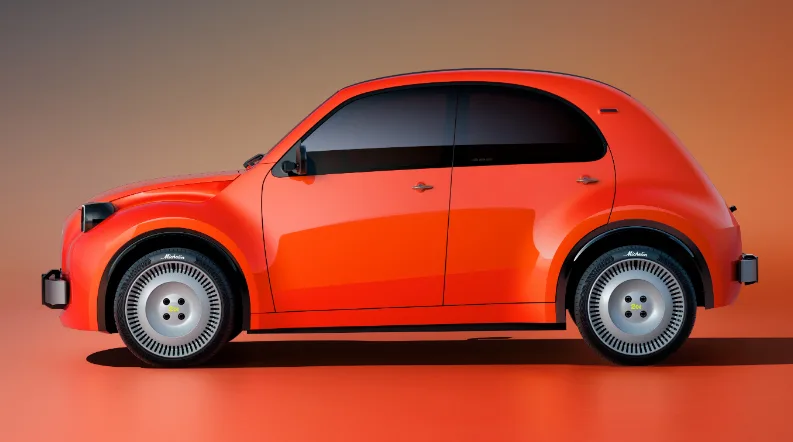
Established European giants are fighting back with aggressive product strategies. Stellantis has announced plans to launch six new models alongside nine concept cars, highlighting an affordable electric Citroen 2CV concept to capture cost-conscious buyers. European manufacturers are accelerating electric vehicle development to narrow the cost and technology gap with their new competitors.
At the same time, broader market headwinds continue to impact legacy players. Volkswagen recently reported a 14.3 percent year-on-year decline in global deliveries during the third quarter of 2026, underlining the challenging global environment that major manufacturers must navigate while funding their transition to electric mobility.
Also Read: Renault E-Space Concept Revealed: New Electric MPV Revives Iconic Espace Nameplate
Our View
The intensifying rivalry between European and Chinese automakers at the Paris Motor Show 2026 signals a defining era for the region’s electric vehicle market. As legacy brands fast-track affordable electric cars and Chinese manufacturers push for local European production, consumers will likely benefit from greater choices and competitive pricing.
The coming years will determine whether European carmakers can successfully safeguard their market dominance against a deeply entrenched wave of global competitors.


