Tata Sierra EV Launching On June 30: Design, Features, Range, Battery And Everything We Expect From Tata’s New Electric SUV
Tata Motors is all set to launch the much-awaited Tata Sierra EV in India on June 30, 2026. For Indian car buyers, this launch is highly emotional; the iconic Sierra nameplate is making its grand comeback in an all-electric avatar nearly three decades after the original, rugged SUV first gained immense popularity in the 1990s.
The production-ready Tata Sierra electric SUV will become the brand’s seventh electric passenger vehicle, marking an incredibly significant milestone in Tata Motors’ aggressive electrification expansion strategy. Positioned as a premium midsize offering, it will slot perfectly between the recently launched Curvv EV and the upcoming flagship Harrier EV.
Tata has already showcased near-production concept iterations at multiple auto events, including the Auto Expo and Bharat Mobility Global Expo, giving enthusiasts plenty of insights into what this upcoming Tata EV will bring to the table.
Modern Design Inspired By The Original Sierra
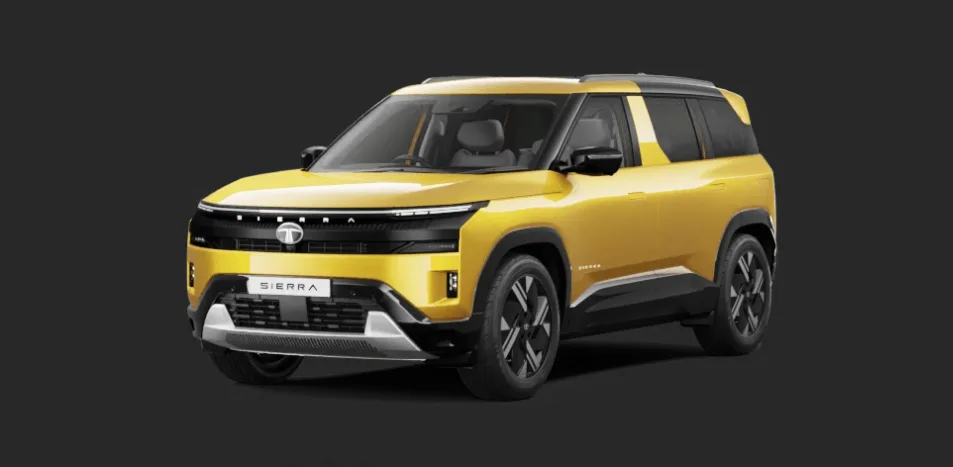
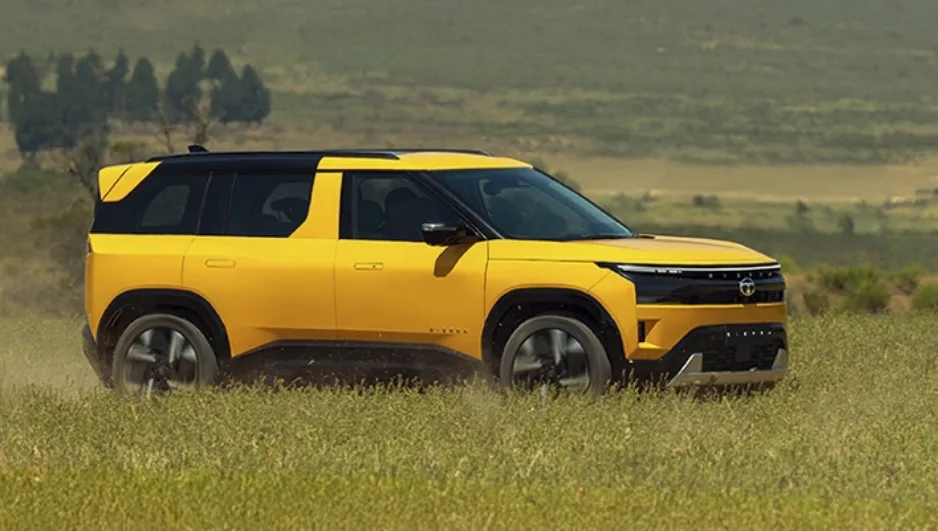
The exterior styling of the new Tata Sierra EV launch vehicle gracefully blends pure nostalgia with ultra-modern design language. Tata’s design team has retained the unmistakable, blocky stance of the original SUV while smoothing out the lines for maximum aerodynamic efficiency.
The biggest design highlight is the signature wraparound rear quarter glass design—a direct homage to the classic 90s Sierra’s iconic rear cabin look. Up front, the electric vehicle gets a completely closed-off, body-colored front grille panel flanked by a sleek, full-width connected LED DRL strip and futuristic LED headlamps.
Muscular lower body cladding, flush-fitting door handles, a revised bumper setup, and massive 19-inch aero-optimized alloy wheels ensure that this Tata electric SUV commands a stellar road presence.
Premium Cabin Expected With Segment-Leading Features
On the inside, the production model is slated to offer a highly sophisticated layout designed to rival luxury segment benchmarks. Tata is expected to position the Sierra EV significantly higher than the Nexon EV and Curvv EV, translating into a big step up in tactile materials and tech integration.
The dashboard will prominently feature a high-tech triple-screen layout. This includes a massive 12.3-inch central touchscreen infotainment system, a secondary 12.3-inch passenger entertainment display screen, and a 10.25-inch fully digital instrument cluster for the driver.
Buyers will get seamless wireless Android Auto and Apple CarPlay connectivity, premium leatherette upholstery, multi-color ambient mood lighting, a 12-speaker premium JBL sound system with Dolby Atmos, and a large panoramic sunroof that floods the cabin with natural light.
Battery Pack And Driving Range Expectations
Built upon Tata’s advanced Gen-2 EV architecture—the highly modular acti.ev platform—the technical configuration of the Sierra EV is heavily optimized for long-distance cruising. The vehicle will host a much larger high-density battery pack than the one found in the Nexon EV.
Industry indications point toward two liquid-cooled battery pack configurations: a standard 55 kWh variant and a long-range 65 kWh to 75 kWh battery unit. Thanks to the high efficiency of the acti.ev architecture, the Tata Sierra EV range is expected to easily touch between 500 km to 600 km on a single charge.
Advanced DC fast-charging support will allow the battery to juiced up from 10% to 80% in about 40 minutes. Furthermore, the SUV will feature Vehicle-to-Load (V2L) and Vehicle-to-Vehicle (V2V) bi-directional charging capabilities, effectively turning the vehicle into a giant power bank.
Safety Features Could Be A Major Highlight
Tata Motors has established an industry-leading reputation for building structurally safe cars in India, and the Sierra EV will double down on this commitment. The platform is designed from the ground up to achieve top-tier crash test ratings.
The primary safety net will comprise six airbags, Electronic Stability Control (ESP), and all-wheel disc brakes as standard equipment. To aid driving convenience and prevent collisions, it will deploy a comprehensive Level 2 ADAS suite utilizing advanced camera and radar sensors.
This setup will bring safety features like Adaptive Cruise Control, Lane Keep Assist, Autonomous Emergency Braking (AEB), Forward Collision Warning, and blind-spot monitoring. A high-definition 360-degree surround-view camera system paired with front and rear parking sensors will make navigating tight city spaces an absolute breeze.
Performance And Platform Details
By leveraging the native acti.ev architecture, the Tata Sierra EV features heavily re-engineered mechanical driving dynamics. Unlike converted internal combustion engine platforms, this dedicated EV platform allows for a completely flat floor, a low center of gravity, and optimized weight distribution.
The Sierra EV is expected to be launched with standard Rear-Wheel Drive (RWD) single-motor layouts, delivering a healthy power output of approximately 200 bhp.
For performance purists and off-road enthusiasts, Tata is highly likely to introduce a top-tier dual-motor All-Wheel Drive (AWD) configuration. This dual-motor setup will offer brilliant traction management, sharper throttle response, and immensely improved ride comfort across broken terrain.
Expected Price And Launch Timeline
The official Sierra EV launch date is locked for June 30, 2026. While final variant names and specific powertrain configurations remain under wraps until the launch event, industry experts estimate the Tata Sierra EV price to start between Rs 22 lakh and Rs 30 lakh (ex-showroom).
To lower upfront customer ownership costs and compete directly against traditional petrol/diesel midsize SUVs, there are strong rumors that Tata might also introduce a Battery-as-a-Service (BaaS) option at launch. Deliveries are expected to begin shortly after the price announcement.
Rivals In India
Upon its commercial release, the Tata Sierra EV will enter India’s rapidly growing premium midsize electric SUV sector, directly locking horns with formidable rivals:
Mahindra BE 6 & XEV 9e: Mahindra’s upcoming grounds-up born-electric vehicles.
Hyundai Creta Electric: The highly anticipated electric version of India’s favorite midsize SUV.
BYD Atto 3 & MG Windsor EV: Well-established premium global EV offerings in the Indian market.
The Sierra EV will differentiate itself by leveraging heavy nostalgia, a distinct lifestyle design language, a larger cabin footprint, and robust AWD off-roading capabilities.
Top 10 Features We Expect On The Tata Sierra EV
Based on concept showcases and technical leaks, here are the top 10 features expected on the upcoming SUV:
Panoramic Sunroof: Large glass roof with voice-assisted operation.
Triple Digital Displays: Dedicated passenger screen alongside the main infotainment and instrument screens.
ADAS Level 2: Full suite of preventative autonomous safety features.
360-Degree Camera: High-definition grid view with blind-spot assistance.
Ventilated Front Seats: Essential cooling functionality for harsh Indian summers.
Connected Car Technology: Next-gen iRA 2.0 suite with 75+ smart features and 5G connectivity.
Wireless Charging: Fast wireless smartphone charging pad.
V2L & V2V Functionality: Ability to power household appliances and charge other electric cars.
DC Fast Charging Support: High-voltage charging capacity up to 120 kW.
Premium Sound System: A multi-speaker JBL setup featuring a custom dashboard soundbar.
Why The Sierra EV Could Be Tata’s Most Important EV Yet
The Sierra EV is far more than just another electric car for Tata Motors; it is a brand-shaping flagship statement. By reviving a legendary nameplate that evokes deep emotional ties among Indian car owners, Tata can seamlessly bridge its glorious heritage with its green, electric future.
It gives Tata the perfect platform to demonstrate its absolute best EV technology, premium cabin design, and mechanical packaging, ultimately elevating the brand’s positioning into a highly premium lifestyle space.