Using E20 Fuel Will Not Impact Your Vehicle Insurance, Clarifies Government
The Ministry of Petroleum and Natural Gas, alongside the Press Information Bureau (PIB) Fact Check unit, has issued a vital clarification dismissing widespread social media claims regarding ethanol-blended petrol.
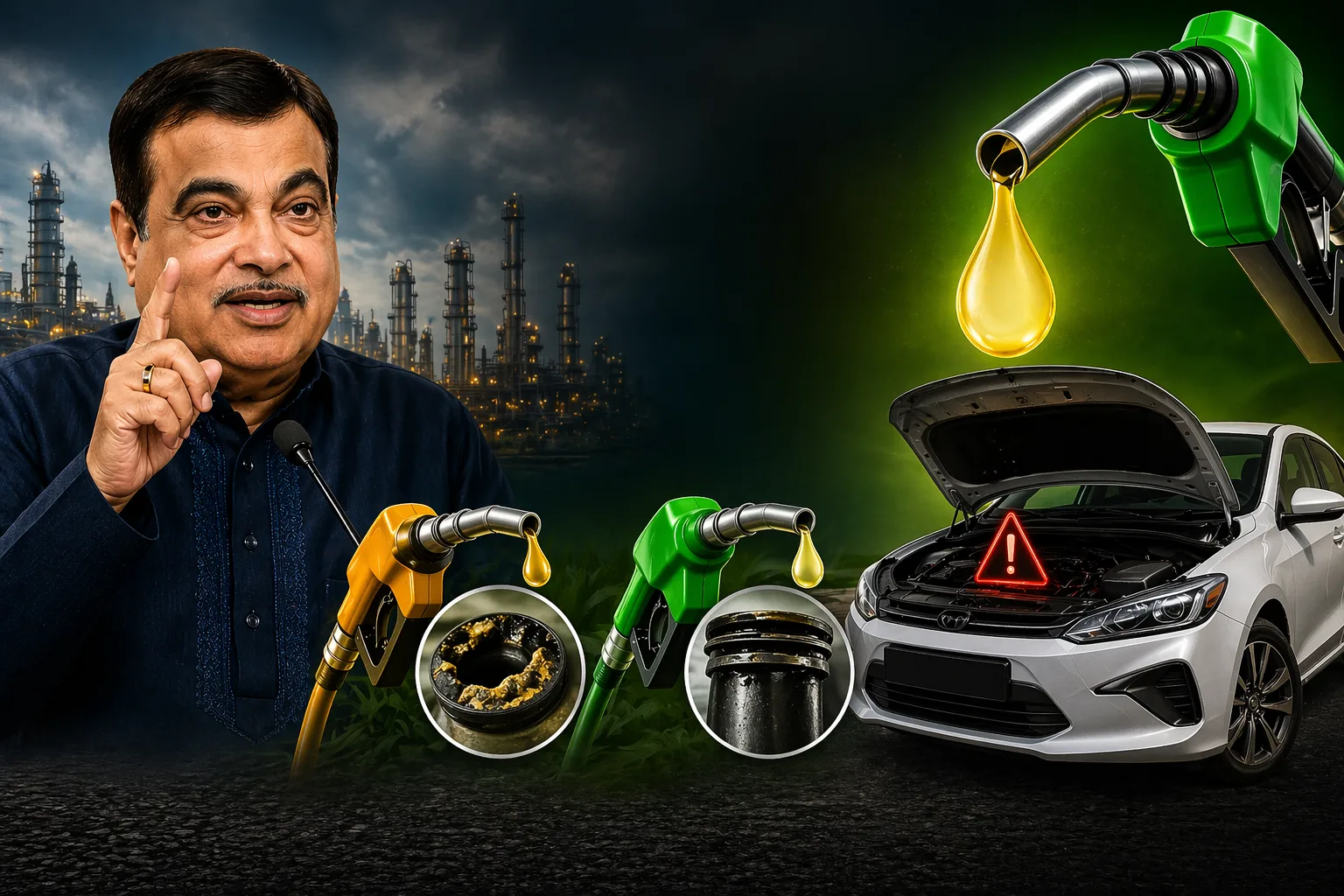
Rumours circulating across various digital platforms suggested that using E20 fuel—composed of 20% ethanol and 80% conventional petrol—could invalidate motor insurance policies or lead to automatic claim rejections by insurance providers.
The government has officially labeled these claims as entirely false, reassuring millions of motorists that their vehicle insurance remains fully valid.
Debunking the Social Media Myth
The panic began gaining momentum following viral social media posts and videos. These claims alleged that if a vehicle sustained fuel-system or engine damage linked to the use of E20 petrol, insurance firms would reject the settlement claims on grounds of “improper use” or “negligence.”
The concern was particularly high among owners of older, non-E20-compliant vehicles manufactured prior to the implementation of the BS6 Phase 2 emission norms in April 2023.
The PIB Fact Check unit intervened directly, explicitly stating that motor insurance policies remain completely unaffected by the type of government-approved fuel pumped into a vehicle.
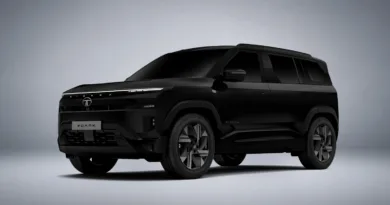
Also Read: Tata Sierra EV Revealed In New Video: Exterior Design Fully Uncovered Ahead Of Launch
Insurers Confirm Policy Validity
To address the growing confusion, major private insurer ICICI Lombard released an official statement confirming that fuel type alone is not a determining factor in claim admissibility.
The insurer clarified that standard motor policies are designed to cover insured perils—such as traffic accidents, theft, fire, and third-party liabilities. If an insurance claim is fundamentally admissible under a conventional fuel setup, it remains equally admissible for a vehicle running on E20 petrol. Insurers will not treat the use of standard, commercially available E20 fuel as an act of vehicle negligence.
Global Precedent and Economic Impact
In its detailed briefing, the Oil Ministry highlighted that ethanol blending is a scientifically validated, globally accepted practice.
The Global Standard: Several leading nations, including the United States, Japan, and Brazil, successfully implement high-level ethanol blends. In fact, Brazil has long utilized E27 (petrol with 27% ethanol content) as its baseline automotive fuel without any systemic insurance or mechanical disruptions.
The government further emphasized that India’s Ethanol Blending Programme (EBP) serves as a core pillar for national energy security. By reducing heavy reliance on imported crude oil, the initiative has helped India save over Rs 1.4 lakh crore in foreign exchange. Additionally, it has boosted the domestic rural economy by creating a sustained market demand for agricultural feedstocks like sugarcane, broken rice, and maize.
Clarifications on Engine Safety and Performance
Beyond insurance concerns, the Ministry addressed other viral myths, such as videos claiming that the fuel attracts insects due to its agricultural source. Officials clarified that the industrial distillation and fermentation processes eliminate all residual sugars from fuel-grade ethanol. Furthermore, the fuel contains specific denaturants that naturally act as insect repellents.
The government reiterated that no widespread incidents of engine failures or mechanical breakdowns directly attributable to the standard E20 blend have been recorded.
Modern vehicles are engineered with necessary fuel-line protections and safeguards to handle the fuel effectively. Motorists are advised to rely strictly on official notifications and ignore sensationalized, unverified claims on social media platforms.
Also Read: Renault Kiger Evolution Turbo Launched At Rs 7.89 Lakh