
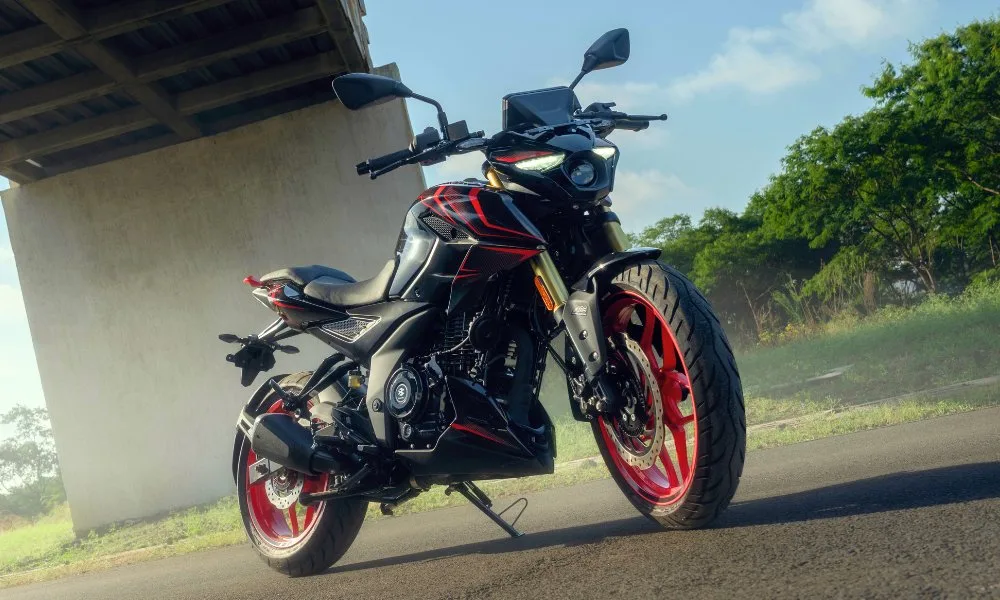
Bajaj Pulsar N250SS Launched at Rs. 1.59 Lakh With 6-Speed Gearbox and TFT
Bajaj Auto has launched the new Pulsar N250SS in India at Rs. 1,59,406, ex-showroom Delhi. The new range-topping variant brings several upgrades over the standard Pulsar N250, including a revised four-valve engine, six-speed gearbox, quickshifter and electronic throttle body.
The motorcycle also gets a new 5-inch TFT instrument console with Google Maps mirroring. Bajaj has added selectable riding modes, adjustable levers, a USB Type-C charging port and additional safety features.
The N250SS retains the familiar muscular design of the Pulsar N250 but adds more technology and performance-focused equipment.
Bajaj Pulsar N250SS: Design and Features
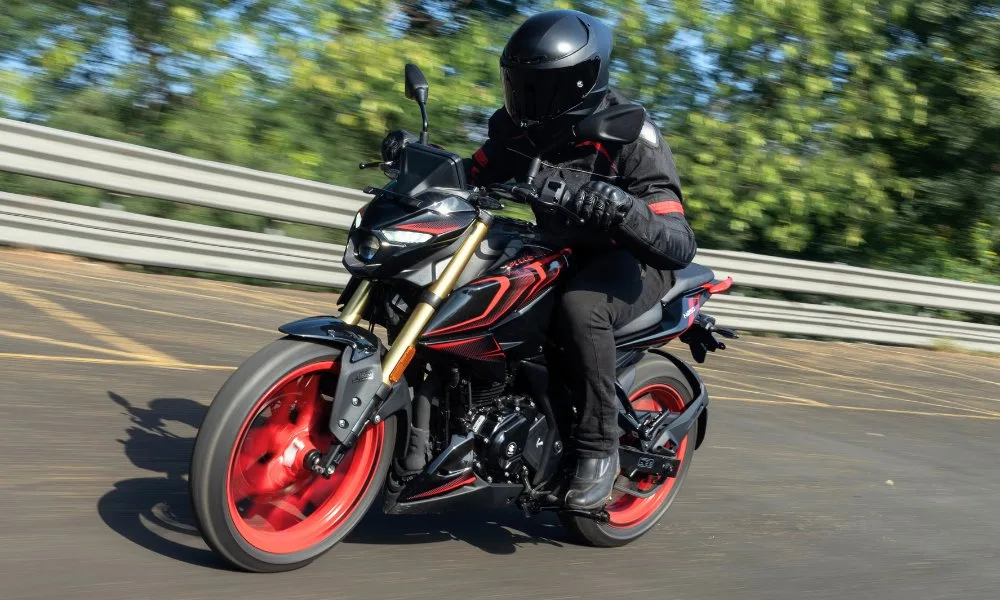
The Pulsar N250SS retains the basic design of the standard N250, including its muscular fuel tank, sharp LED lighting, sporty body panels and split-seat setup. However, Bajaj has introduced new colour options and equipment to give the top-spec version a more premium appearance. The motorcycle is available in Atlantic Blue, Brooklyn Black, Fiery Red Orange and Pearl Metallic White.
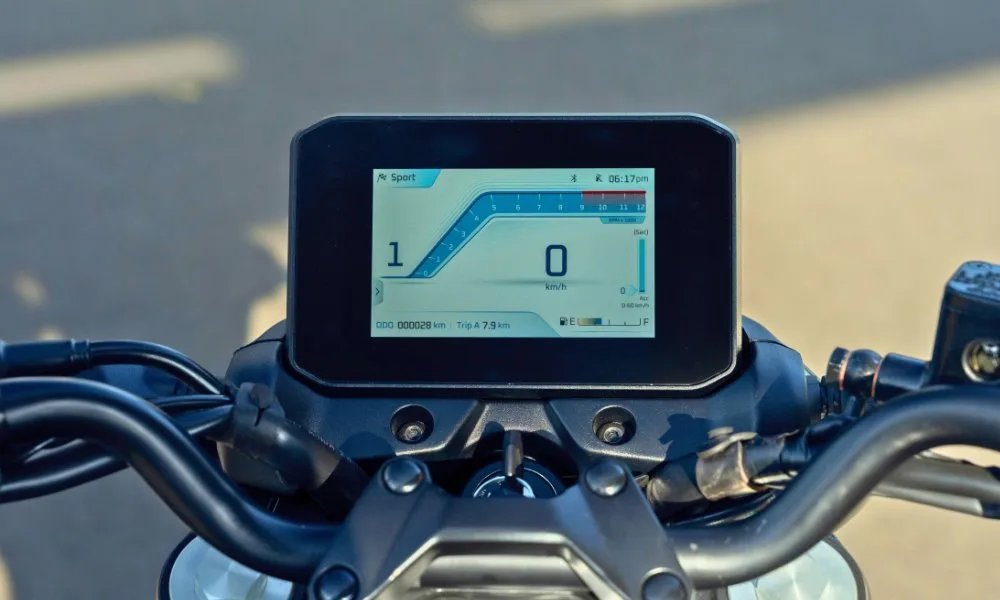
The biggest change comes to the cockpit. Bajaj has replaced the standard N250’s LCD instrument cluster with a 5-inch colour TFT display. The new screen supports Google Maps mirroring, allowing riders to view navigation information directly on the motorcycle’s display. The TFT also provides information such as gear position, fuel level and other riding data.
The feature list also includes adjustable brake and clutch levers, a USB Type-C charging port and a dedicated hazard-light switch. Bajaj has added a Panic Brake Alert system that can warn other road users when the rider brakes hard. The motorcycle also gets a Sports Shifter for clutchless upshifts.
Bajaj Pulsar N250SS: Engine and Gearbox
The Bajaj Pulsar N250SS continues with the 249cc, single-cylinder, air- and oil-cooled engine, but Bajaj has upgraded it with a four-valve head. The revised engine produces 25 PS and 22 Nm, compared with 24.5 PS and 21.5 Nm in the standard N250. The increase is modest, but the updated engine works with a new transmission and electronic throttle system.
One of the biggest mechanical changes is the six-speed gearbox. It replaces the five-speed transmission available on the standard N250. The additional gear gives the motorcycle a wider transmission ratio spread and could make highway riding more comfortable.
Bajaj has also added an Electronic Throttle Body (ETB), which enables selectable riding modes. These modes work alongside the motorcycle’s existing ABS modes and give riders more control over throttle response in different riding conditions. A quickshifter comes as standard, allowing clutchless upshifts during acceleration.
Bajaj Pulsar N250SS: Suspension, Brakes and Safety
The Pulsar N250SS retains the core chassis and suspension setup of the N250, with the updates focused mainly on powertrain and electronics. The motorcycle continues with disc brakes at both ends and dual-channel ABS for added braking safety.
The electronic upgrades make the N250SS more advanced than the standard model. Along with ABS modes, the new ETB enables selectable riding modes, while the Panic Brake Alert system provides an additional safety function during emergency braking. The motorcycle also gets adjustable brake and clutch levers, allowing riders to set the lever reach according to their preference.
The Sports Shifter is another important addition for performance-oriented riders. It allows clutchless upshifts and complements the new six-speed gearbox.
Bajaj Pulsar N250SS: Price and Rivals
The Bajaj Pulsar N250SS costs Rs. 1.59 lakh, ex-showroom Delhi, making it around Rs. 14,000 more expensive than the standard N250. Its key rivals include the Suzuki Gixxer 250 and Hero Xtreme 250R. The N250SS undercuts both while offering a TFT display and quickshifter.