
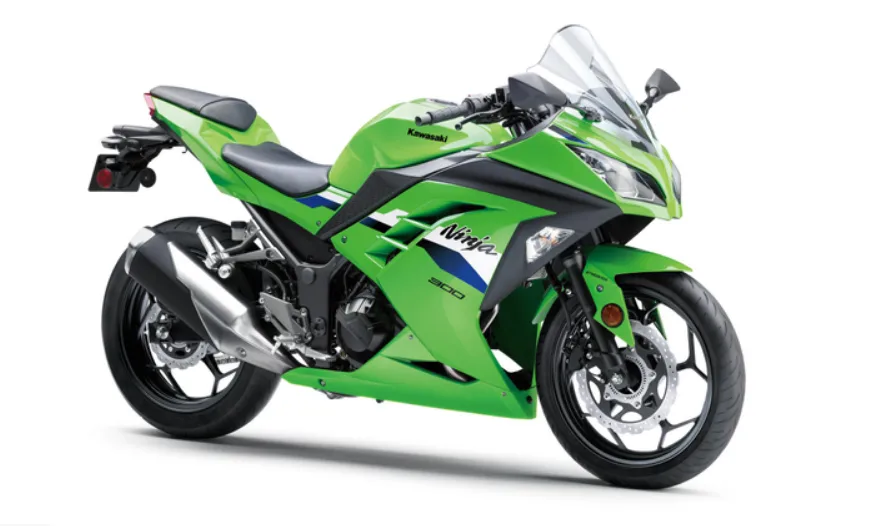
Kawasaki Z300 Launched at Rs. 3.24 Lakh: Ninja 300 Engine Meets Z900 Looks
Kawasaki has launched the new Kawasaki Z300 in India at an introductory price of Rs. 3.24 lakh, ex-showroom. The motorcycle becomes the most affordable model in Kawasaki’s Z-series lineup and brings a combination of Ninja 300 mechanicals with styling inspired by the larger Z900.
The new Z300 targets buyers looking for a premium street naked motorcycle with a smooth twin-cylinder engine. It gets a 296cc parallel-twin motor, six-speed gearbox, dual-channel ABS and a fully digital LCD instrument cluster.
The motorcycle will compete against popular performance bikes such as the KTM 390 Duke and TVS Apache RTR 310 in India.
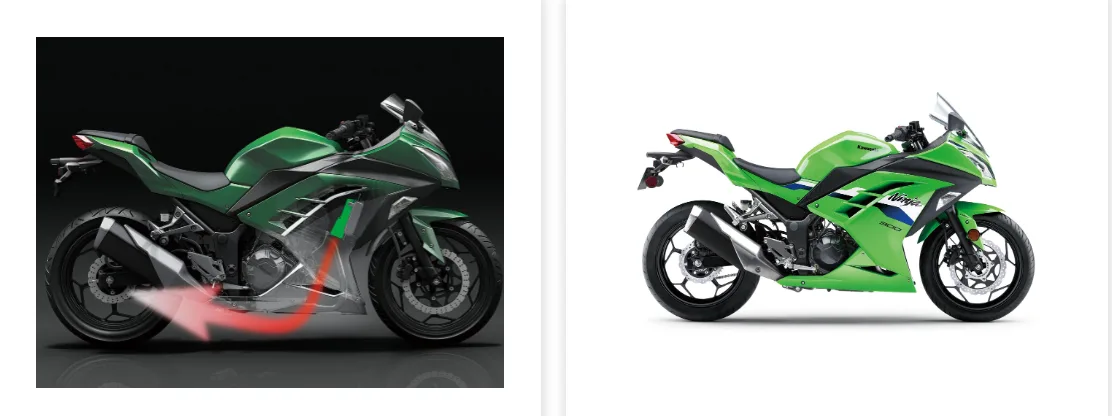
Kawasaki Z300: Design and Features
The Kawasaki Z300 follows the brand’s Sugomi design language and takes strong styling inspiration from the larger Z900. The motorcycle gets an aggressive front section with a distinctive three-element LED headlight setup and muscular tank extensions. A wide, single-piece handlebar gives it an upright streetfighter stance, while the split-seat design adds to its sporty appearance. Kawasaki will offer the Z300 in two colour options: Candy Lime Green/Ebony and Metallic Carbon Gray/Ebony.
Unlike the Ninja 300, the Z300 gets a fully digital reverse LCD instrument cluster. The display shows information including speed, engine rpm, fuel level, clock, odometer, trip meters, service indicator and coolant temperature. The motorcycle also gets a 17-litre fuel tank, which is relatively large for this segment.
Kawasaki Z300: Engine and Performance
The new Kawasaki Z300 uses the same 296cc liquid-cooled parallel-twin engine as the Ninja 300. The motor produces 39.4hp at 11,000rpm and 26.3Nm of peak torque at 10,000rpm. It comes paired with a six-speed gearbox and gets a slip-and-assist clutch as standard.
Kawasaki has retained its dual-throttle valve technology on the Z300. The twin-cylinder configuration gives the motorcycle a different character compared with the single-cylinder engines used by several of its rivals. The Z300 is designed to offer smooth power delivery and strong top-end performance while maintaining the refinement associated with a parallel-twin engine.
The motorcycle uses the same basic tubular chassis platform as the Ninja 300. It weighs 175kg in kerb condition and offers 140mm of ground clearance.
Kawasaki Z300: Suspension and Brakes
The Kawasaki Z300 uses a 37mm telescopic fork at the front and a Uni-Trak monoshock at the rear. The rear suspension gets five-step preload adjustment. The motorcycle rides on 17-inch alloy wheels at both ends, maintaining the familiar hardware layout of the Ninja 300.
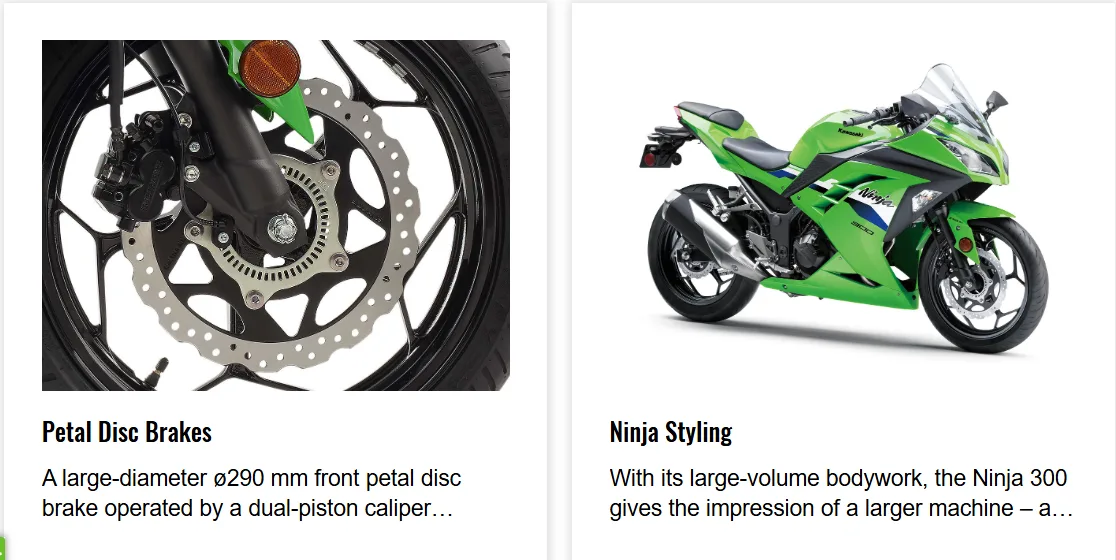
Braking duties come from a 290mm petal disc at the front and a 220mm petal disc at the rear. Kawasaki offers dual-channel ABS as standard. The motorcycle does not get the extensive electronics package available on some of its rivals, such as traction control, riding modes or a quickshifter. Its equipment focuses more on the twin-cylinder engine, styling and basic safety features.
Kawasaki Z300 Price and Rivals
The Kawasaki Z300 costs Rs. 3.24 lakh, ex-showroom, making it Rs. 10,000 cheaper than the Ninja 300. Its main rivals include the KTM 390 Duke at Rs. 2.85 lakh and TVS Apache RTR 310 at Rs. 2.30 lakh. The Aprilia Tuono 457 is another twin-cylinder alternative.
Also Read: 2026 Mahindra Bolero Bold Edition Launched: See What’s New Over Regular Bolero


