Amazon-Owned Zoox to Launch Paid Las Vegas Robotaxi Service
The commercial autonomous vehicle sector just reached a critical turning point in North America. Amazon-owned Zoox announced that passengers in Las Vegas will no longer ride for free. After years of closed-loop testing, public trials, and intensive software refinement, the company stands ready to turn its self-driving technology into a full-fledged business.
By collecting fares on public roads, Zoox enters direct competition with human ride-hailing networks and rival autonomous operators like Alphabet’s Waymo. This transition signals a crucial shift from expensive technology demonstration to a sustainable commercial mobility enterprise.
Zoox Starts Paid Robotaxi Service in Las Vegas
Paid driverless rides in Las Vegas officially begin on August 10, 2026. Up until this point, local commuters and tourists experienced the futuristic vehicles strictly through complimentary rides during the multi-year public testing phase.
This move represents a monumental milestone for the enterprise. Founded in 2014 and later acquired by Amazon in 2020, Zoox spent over a decade developing its autonomous hardware and software stack. Transitioning to a paid service proves that the company trusts its commercial viability and operational reliability under real-world conditions.
The commercial rollout in Nevada validates years of rigorous testing. Zoox has already carried more than 500,000 passengers through its free robotaxi service across test cities. Charging paying customers in one of America’s busiest entertainment hubs marks the company’s real commercial debut in the driverless mobility space.
What Makes Zoox Robotaxis Different?
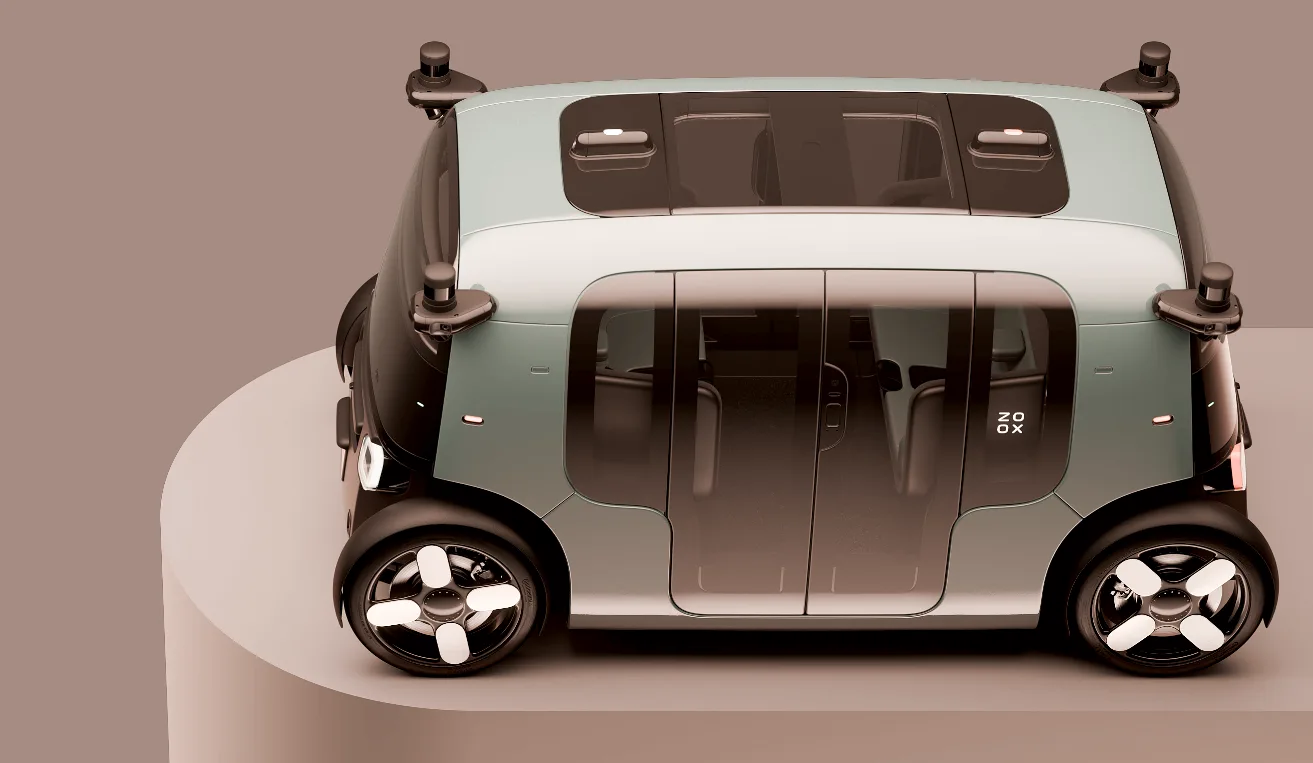
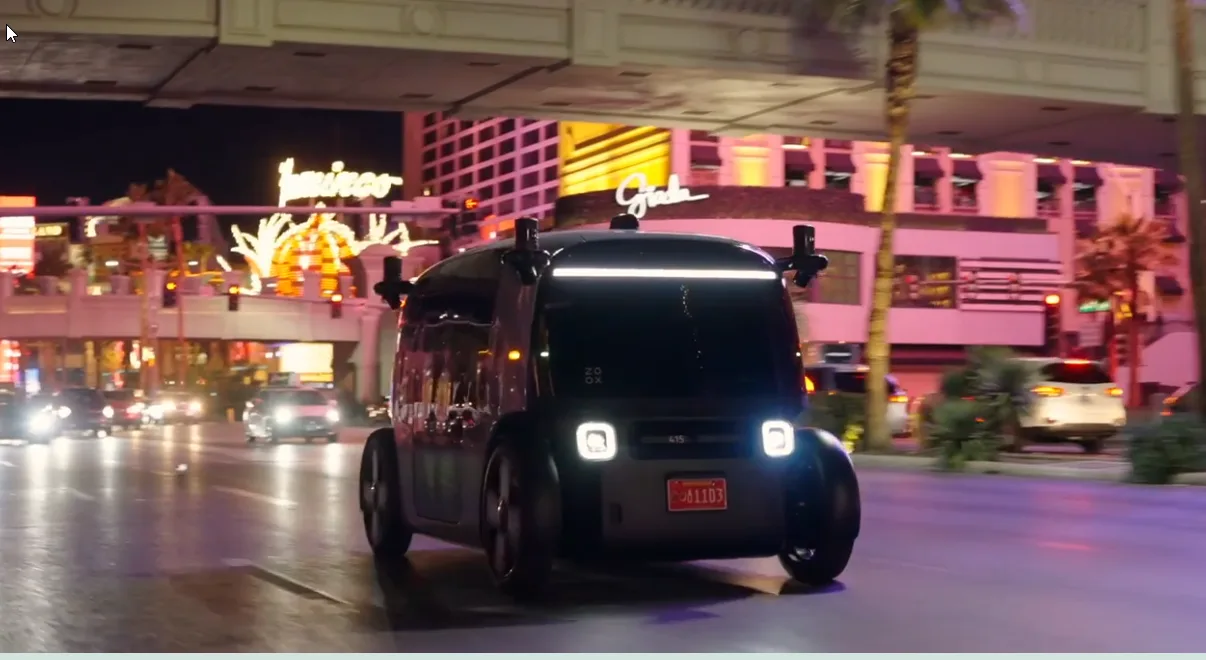
Unlike competitors that retrofit standard production sedans or crossover SUVs with external sensor rigs, Zoox builds a completely custom electric vehicle from the ground up. The boxy, carriage-style vehicle completely eliminates conventional driving hardware like steering wheels, foot pedals, and driver seats.
Inside the cabin, four passengers sit in an inward-facing carriage arrangement. This layout optimizes interior space, creates a social lounge environment, and maximizes passenger comfort.
Advanced self-driving technology powers every movement. Bi-directional driving capabilities allow the vehicle to change direction without turning around. A comprehensive suite of lidars, radars, and high-resolution cameras provides a full 360-degree field of view. This setup eliminates blind spots and ensures total environmental awareness in dense traffic.
Regulatory Approval Clears the Way
A groundbreaking decision by federal regulators enabled this commercial expansion. The National Highway Traffic Safety Administration (NHTSA) granted Zoox a temporary exemption to deploy up to 2,500 driverless vehicles over a two-year period.
This decision holds historic significance for the automotive industry. Zoox became the first company to receive federal approval for a purpose-built autonomous vehicle operating without human driving controls.
Current Federal Motor Vehicle Safety Standards historically assumed the presence of a human driver, requiring steering columns, brake pedals, and manual windshield defrosters. The NHTSA exemption bypassed these outdated requirements, creating a legal pathway for purpose-built autonomous designs to transport paying passengers on public roads safely.
How Much Will Riders Pay?
Zoox structured its commercial pricing strategy to remain competitive with premium offerings on existing ride-hailing networks like Uber and Lyft. The company calculates each trip using a transparent formula combining a base fare, distance traveled, time duration, and destination-based surcharge.
Trips originating from or heading to high-traffic hubs like airports or special event venues include location-specific fees.
The booking system emphasizes price transparency for consumers. Passengers request rides through the mobile app and see the final guaranteed fare before confirming their booking. This transparent pricing model eliminates unexpected surge charges during busy hours along the Las Vegas Strip.
What’s Next for Zoox?
While Las Vegas leads the commercial launch, Zoox continues testing operations in other major urban centers, including San Francisco and Austin.
Expansion into commercial revenue models elsewhere faces local regulatory hurdles. Zoox still needs additional approvals before charging passengers in California, where state regulators require separate commercial permits for driverless taxi operations.
Over the long term, Zoox plans to scale its fleet across major metropolitan areas worldwide. Amazon’s financial backing provides the capital necessary to scale manufacturing, expand charging depot infrastructure, and deploy thousands of vehicles across North America over the next decade.
Also Read: KTM 390 Adventure Variants Explained: Base, X, R and S Compared