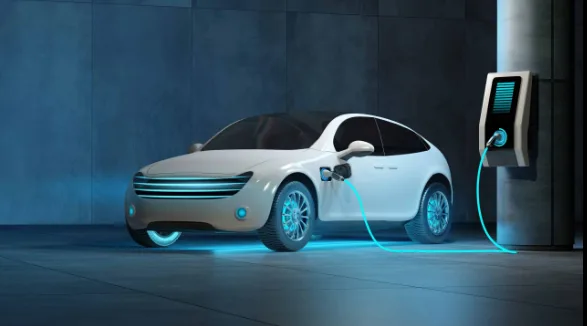
Washing a petrol or diesel car at home is usually straightforward, but cleaning an Electric Car requires a slightly different approach. Because EVs have advanced electrical components and battery systems, it’s important to understand the correct washing methods beforehand.
Ignoring proper precautions can lead to unnecessary damage instead of keeping the vehicle clean. While water and car shampoo can safely make a traditional internal combustion engine (ICE) car shine, using the same methods carelessly on an electric vehicle may harm sensitive components and could even result in a costly trip to the service center.
Here are some important tips to keep in mind when washing an electric car safely.
Focus on Electric Car Charging Port
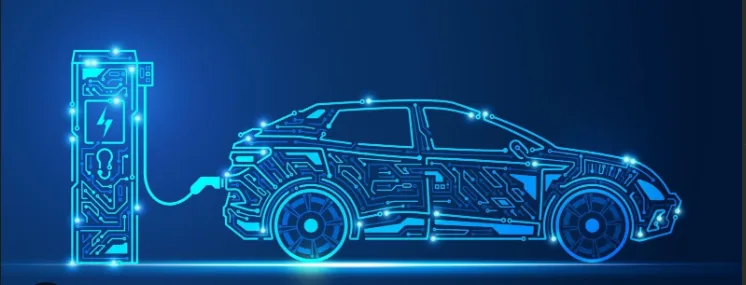
The charging port of an electric vehicle (EV) is designed with a cover similar to the fuel lid on petrol or diesel cars, but there are small openings that can allow water droplets to enter. If high-pressure water is directed at the port, there’s a risk of water seeping in and potentially damaging the electrical connectors.
Additionally, the battery pack in most EVs is located in the lower section of the vehicle. Manufacturers implement measures to protect the battery from water and dust; however, excessive high-pressure washing underneath the car might still cause damage.
Even a tiny amount of water in sensitive electrical areas could lead to short circuits or sparks. Therefore, it’s essential to exercise extra caution when washing an electric car.
Also Read: 2026 Hyundai Verna Vs Volkswagen Virtus: Which Sedan is Best Option for You?
Protect Your EV Motor from High-Pressure Water While Washing
Spraying high-pressure water around the door edges can force water into the cabin, which may lead to the floor mats and interior carpets getting wet.
This can also affect the vehicle’s interior components if moisture enters sensitive areas. Electric vehicles are equipped with advanced cooling systems and ventilation points to regulate the temperature of the battery pack.
Because of this, spraying water with strong pressure on the front section of the vehicle is not recommended. Unlike conventional cars that use an engine, EVs rely on an electric motor and sensitive electronic systems.
Using high-pressure water near these components can potentially cause damage, so it is always safer to wash the vehicle gently and avoid direct pressure on critical areas.
Also Read: New Audi A6L Luxury Sedan Revealed With V6 Engine; Rivals Mercedes-Benz E-Class LWB