
Tesla Cybercab Robotaxi Coming to Dallas in November: Fleet Sales Also Planned
Tesla is preparing to expand its Tesla Cybercab robotaxi service beyond Austin, Texas. The company has confirmed that Cybercab rides will begin in Dallas in November 2026.
Tesla started offering limited paid Cybercab rides in Austin in September, marking the first public deployment of its purpose-built autonomous vehicle.
The Cybercab has no steering wheel, pedals or conventional mirrors and relies on autonomous driving technology. Tesla also plans to start putting Cybercabs into customers’ hands by the end of 2026.
The company says it is currently producing the vehicles in Texas for its own Robotaxi fleet, while future deliveries will also cover customer and fleet operations.
Tesla Cybercab: Dallas Launch Plans
Tesla will launch Cybercab rides in Dallas next month, making the city the second market for the purpose-built robotaxi after Austin. Tesla already operates robotaxi services in Dallas using autonomous Model Y vehicles. The company says the same autonomous driving software can scale across different cities and vehicle types.
Tesla’s Austin Cybercab fleet has grown quickly since the service began. The company reported a major increase in its unsupervised robotaxi operations during the third quarter. Tesla also expects to expand its autonomous service to more cities as regulatory approvals allow.
The Dallas launch will give Tesla another opportunity to test the Cybercab in a larger operating network. The company has also listed additional US cities for future robotaxi expansion.
Tesla Cybercab: Design and Autonomous Technology
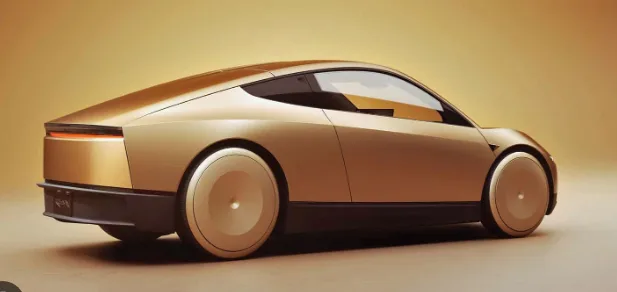
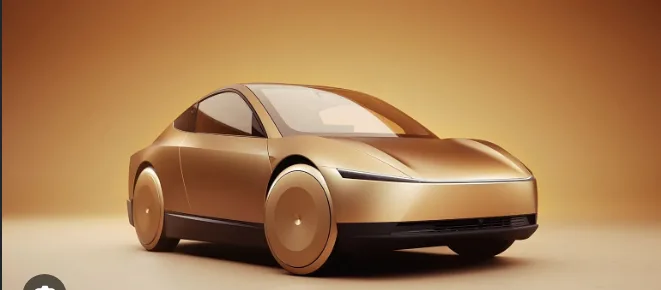
The Tesla Cybercab has a very different design from conventional cars. It is a two-seat vehicle developed specifically for autonomous driving. The car does not have a steering wheel or pedals, allowing Tesla to create a cabin focused on passengers rather than a driver.
The Cybercab also gets butterfly-style doors and a large central display. Tesla has designed the vehicle for its Robotaxi network rather than traditional private ownership. The company believes its simplified design can also make production easier to scale.
Tesla aims to use the Cybercab as the main vehicle for its future driverless ride-hailing network. The company is currently building Cybercabs at its Texas production facility.
Tesla Cybercab: Fleet Sales and Customer Deliveries
Tesla has said it wants to get Cybercabs into customers’ hands by the end of 2026. However, the company has not announced a final retail price, delivery volume or detailed ordering process.
Tesla CEO Elon Musk has said most Cybercabs will remain Tesla-owned and operate as part of the company’s transport-as-a-service business. At the same time, Tesla is preparing to deliver some vehicles to customers and fleet operators as it learns how autonomous vehicles work under customer ownership.
This approach means Tesla could initially focus on commercial and fleet use rather than conventional private buyers. The company also needs regulatory approvals before it can expand the vehicles at scale.
Also Read: Mahindra XUV 3XO ZNG CNG Bookings Open in India
Tesla Cybercab: Safety and Regulation
Tesla’s Cybercab rollout faces regulatory scrutiny in the US. The National Highway Traffic Safety Administration has opened an investigation into the vehicle’s compliance with federal safety rules. The investigation focuses partly on the Cybercab’s lack of traditional manual controls.
Tesla has said it is working to secure the required regulatory approvals so it can increase Cybercab deployment. The company plans to expand the robotaxi service as quickly as production and regulations allow.
Also Read: Mahindra XUV 7XO Gets Costlier by Up to Rs. 20,000: Check New October 2026 Prices