Renault Kwid Facelift in the Works? Here’s What We Are Expecting From the Upcoming Hatchback
There is immense buzz building up in the entry-level automotive space as the heavily anticipated Renault Kwid facelift has been spotted testing on Indian roads.
Automotive enthusiasts and industry experts suggest that Renault India is aggressively preparing to launch a comprehensively updated version of its popular entry-level hatchback.
Having recently rolled out mid-cycle refreshes and variant expansions for its stablemates, the Triber MPV and Kiger compact SUV, giving the aging Kwid a major makeover is the next logical step in the French manufacturer’s product portfolio strategy.
While Renault has officially confirmed an unveiling event for July 2, 2026, the complete specifications and technical details have not been fully disclosed, leaving several exciting elements open to calculation and expert expectation.
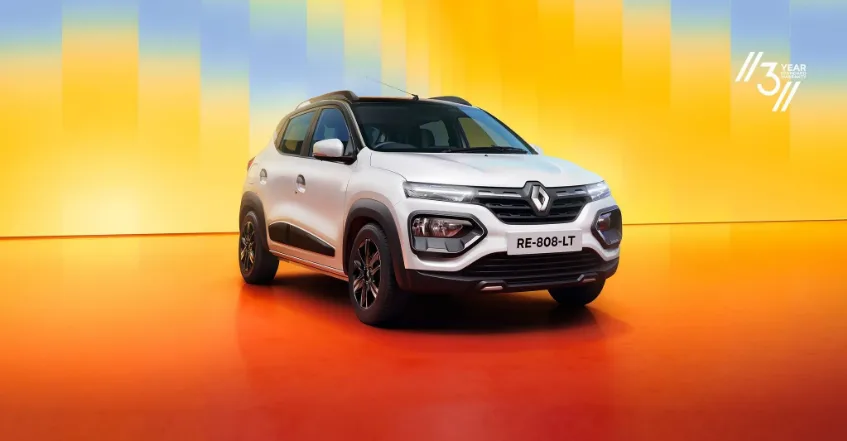
Why the Kwid Facelift Is Important for Renault India?
The Kwid has long served as the fundamental entry point into the Renault family for thousands of first-time car buyers across India. When it first debuted over a decade ago, its micro-SUV stance disrupted the traditional, plain design language of affordable hatchbacks. However, the budget segment has evolved dramatically.
Today, the Kwid faces stiff competition from established heavyweights like the Maruti Suzuki Alto K10, the quirky Maruti Suzuki S-Presso, and the highly practical Tata Tiago.
To maintain its competitive edge and counter dwindling sales numbers in the absolute entry-level tier, Renault desperately needs a injection of freshness.
A modernized Kwid facelift could significantly revitalize showroom footfalls, bolster Renault India’s overall affordable car portfolio, and re-establish the brand’s reputation for offering high-value packaging at a pocket-friendly price threshold.
Renault Kwid Facelift: Expected Exterior Design Changes
Based on recent camouflage-heavy spy shots and Renault’s latest global design philosophy, the upcoming facelift is anticipated to embrace a far sleeker, sharper, and premium exterior appearance.
The most noticeable upgrade is expected to be a redesigned front fascia drawing strong inspiration from the next-generation Duster and the international Dacia Spring EV. This includes:
New Split LED DRLs: Sharper, Y-shaped signature Daytime Running Lights placed high up near the hood line line.
Revised Grille and Bumper: A bolder, more muscular multi-slat radiator grille accompanied by a reworked front bumper that houses aggressive housings for the main headlamps.
Modern Lighting Elements: Tweaked rear LED tail lamps that mirror the sharp geometry seen up front, along with rumours of potential illuminated brand logos.
Aerodynamic & Silhouette Adjustments: Re-profiled body lines to enhance aerodynamic efficiency, fresh dual-tone color palettes, and newly styled alloy-look flex wheels.
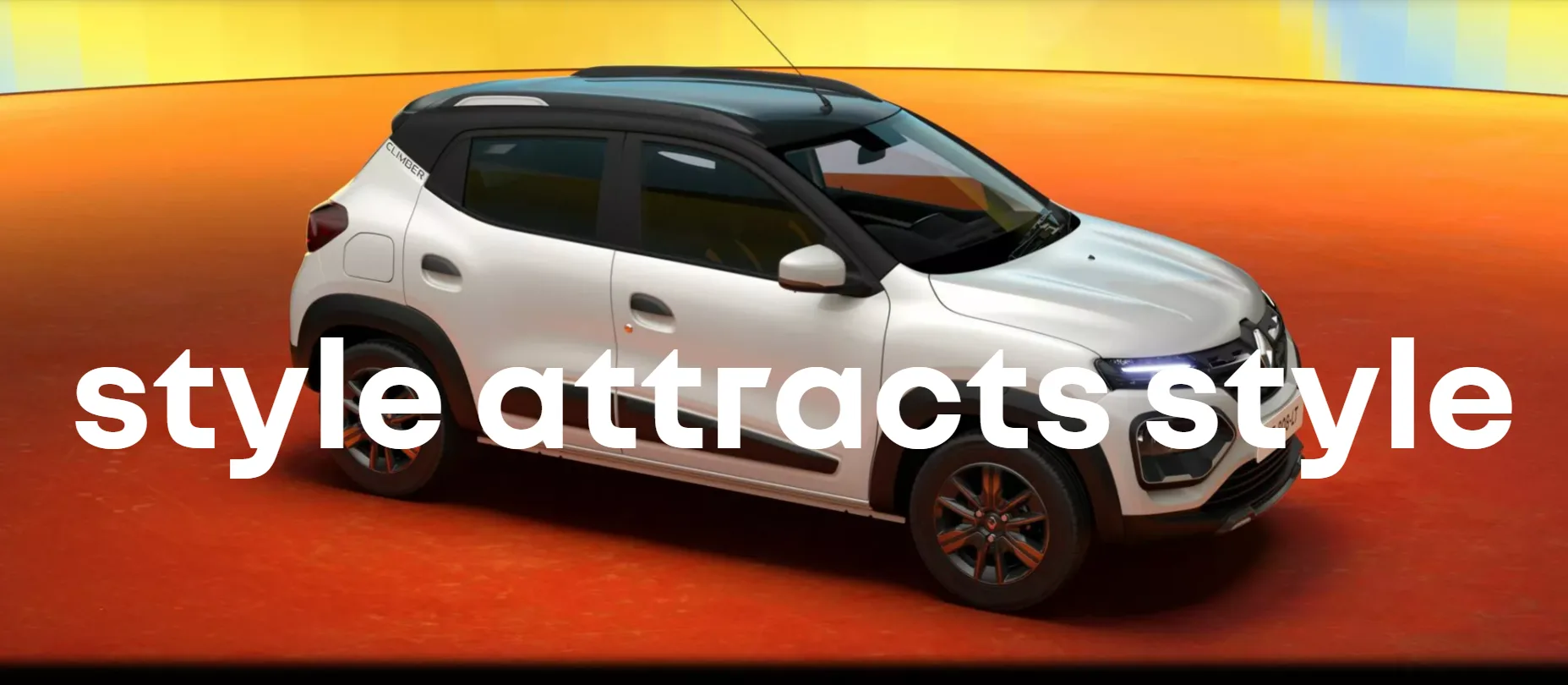
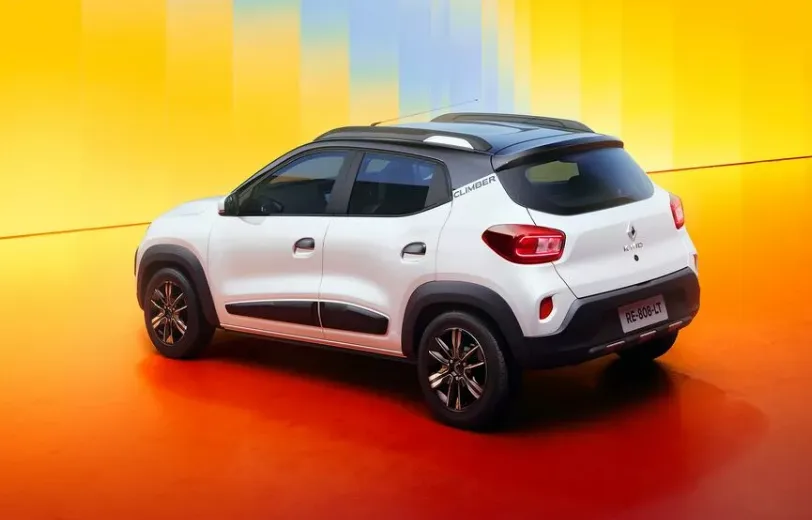
Climber Variant Upgrades: The top-tier Climber trim will likely retain its rugged aesthetic but with updated contrasting accents, sportier skid plates, and distinct protective side body cladding.
Interior and Feature Upgrades We Expect
Stepping inside the cabin, buyers can look forward to a thoroughly modernized environment. Given that Renault recently enhanced the interior amenities of the Triber and Kiger, it is highly probable that similar technological trickle-down will benefit the entry hatchback.
The centerpiece of the dashboard is expected to be a larger 8-inch to 10-inch touchscreen infotainment display supporting wireless Apple CarPlay and Android Auto. To elevate the driving experience, a fully digital instrument cluster with vibrant graphics will likely replace the older unit.
Renault might also surprise the segment by introducing automatic climate control, a sleek wireless phone charging pad, and an upgraded high-definition rear parking camera system. To round off the updates, we expect better quality plastics across the dashboard layout, fresh dual-tone fabric upholstery, and supplementary USB Type-C charging ports for front and rear occupants alike.
Engine Options Likely to Remain Unchanged
While the visual and technological elements are getting a thorough overhaul, the mechanical package under the hood is expected to stay consistent to keep production and retail costs highly competitive.
| Attribute | Expected Specification |
| Engine Type | 1.0-litre, 3-cylinder Naturally Aspirated Petrol |
| Peak Power Output | ~65 bhp |
| Max Torque Output | ~96 Nm |
| Transmission Choices | 5-speed Manual / 5-speed AMT (Automatic) |
| Turbocharged Option | Not Expected |
Renault will likely skip any heavy powertrain experimentation or turbocharging alternatives for this price point. Instead, engineers are expected to implement minor ECU electronic recalibrations to improve real-world fuel economy and strictly comply with evolving Indian emission standards.
Safety Could Receive a Significant Boost
In line with India’s rapidly tightening safety guidelines and shifting customer preferences, safety equipment is expected to be a major highlight of the facelift. Entry-level budget cars are no longer exempt from offering comprehensive peace of mind.
Expected Safety Standards: Renault is anticipated to expand the inclusion of six airbags across a broader range of variants, moving away from the basic dual-airbag standard.
Furthermore, driver assistance systems like Electronic Stability Control (ESC), Hill Start Assist (critical for the AMT automatic variants), a Tyre Pressure Monitoring System (TPMS), rear parking sensors, and dedicated ISOFIX child seat anchorages will likely be standardized or made available across mid-to-high trims. Structural reinforcements to the base platform could also be part of the package to satisfy stricter crash testing metrics.
Renault Kwid Facelift: Expected Price and Launch Timeline
With Renault confirming an official showcase window around early July, the actual commercial market rollout is slated to happen shortly after.
In terms of pricing, the current Renault Kwid range retails between an attractive bracket, and the upcoming facelift is projected to command a minor premium. Industry analysts estimate the new model will sit within an ex-showroom price bracket of Rs 4.8 lakh to Rs 5.8 lakh, depending entirely on the chosen trim level and transmission pairing.
Upon arrival, it will directly locking horns with the Maruti Suzuki Alto K10, Maruti Suzuki S-Presso, Tata Tiago, and base-spec models of the Citroen C3. All final variant breakdowns, introductory pricing matrixes, and official booking schedules remain strictly unconfirmed until Renault makes its official press declaration.
Conclusion
The upcoming Renault Kwid facelift holds immense potential to shake up the Indian entry-level automotive spectrum.
If Renault successfully blends a mature, Duster-inspired design with cutting-edge cabin features and a formidable safety suite all while keeping the ex-showroom pricing strictly aggressive it will undoubtedly become a highly compelling package for value-conscious buyers.
With its refreshed siblings already populating dealerships, this comprehensive update is a vital move for Renault India to fortify its product roadmap. Exact mechanical metrics, variant matrices, and absolute pricing will crystallize officially as we edge closer to the formal launch date.