Geely Lotus EVs Canada: First Chinese EV Inflow Reshapes Market
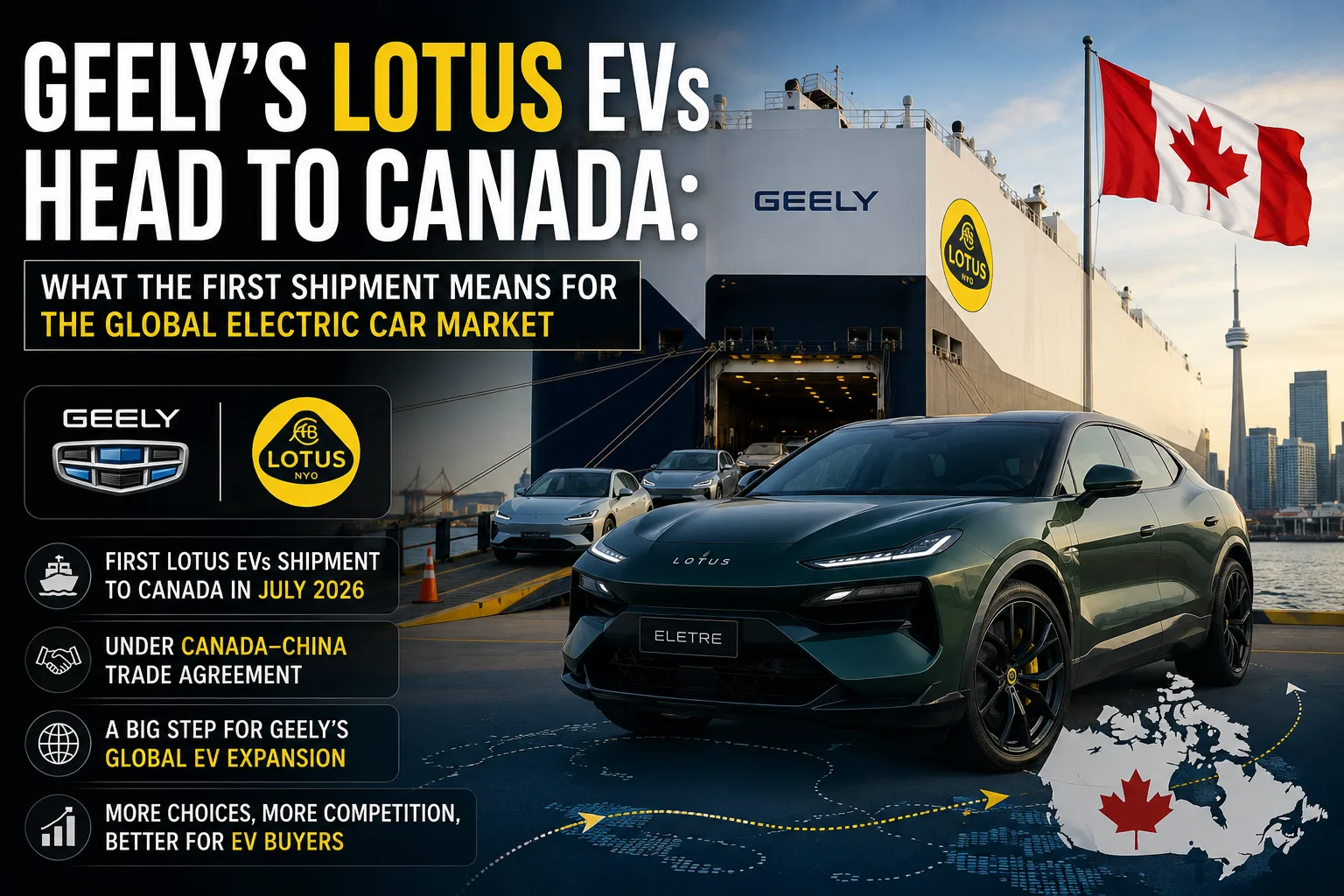
Geely Holding Group is preparing to ship its first premium Lotus electric cars to Canada, with deliveries scheduled to commence in July 2026.
This deployment marks the first time a Chinese-owned and manufactured EV brand will officially enter the Canadian retail market under a freshly minted bilateral import framework.
As global auto news channels track the fallout of trade disputes elsewhere, this specific shipment signals an evolving commercial dynamic.
The arrival of these high-performance vehicles could fundamentally rewrite the rules of competition for the broader EV market in Canada while challenging Western automotive trade logic.
What Is Happening?
According to official briefings from China’s ambassador to Canada, Wang Di, the inaugural batch of Geely Lotus EVs Canada will arrive at port facilities next month, punctuated by a high-profile delivery ceremony in Montreal.
The breakthrough shipment is authorized under a newly implemented Canada-China EV deal that went into effect earlier this year. Under this managed trade structure, Canada has established a country-specific quota allowing up to 49,000 Chinese-built electric vehicles into the country annually.
Rather than facing the prohibitive 100% surtaxes that were briefly introduced in late 2024, vehicles cleared within this state-regulated quota are subject only to Canada’s Most-Favoured-Nation (MFN) tariff rate of 6.1%.
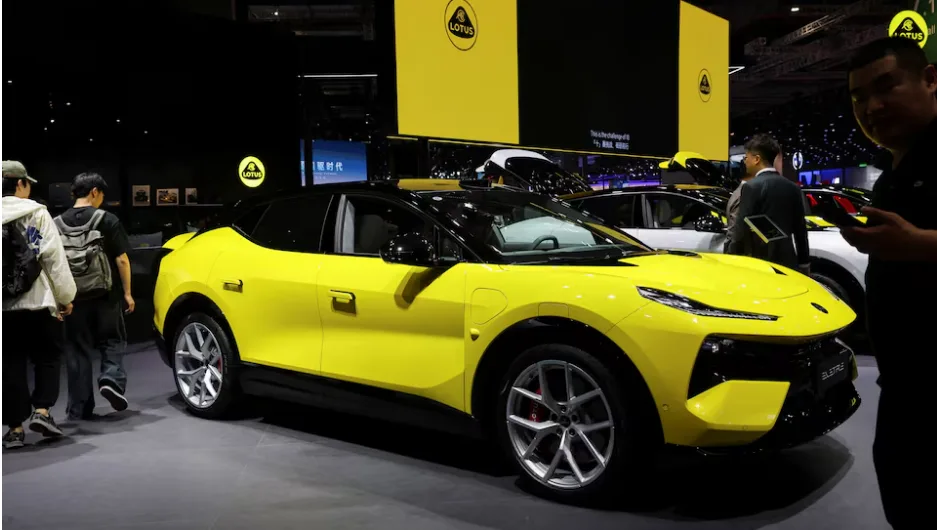
The luxury spearhead for this commercial rollout is the Lotus Eletre, a hyper-SUV built at Geely’s state-of-the-art manufacturing complex in Wuhan, China.
Sporting a starting price tag of roughly 119,900 CAD (~$84,000 USD), the high-end Eletre and its sibling, the Lotus Emeya luxury sedan, will deliberately target the premium segment rather than the mass market during this initial wave.
Why Canada Is Opening Its Doors to Chinese EVs
The decision by Canadian Prime Minister Mark Carney to establish this quota represents a highly calculated strategy to diversify national trade. Facing intense economic pressures, the Canadian government engineered the tariff reduction framework during a strategic diplomatic mission to Beijing.
By offering the 49,000-vehicle annual allotment to Chinese automakers, Canada successfully negotiated major reciprocal trade concessions.
In return for letting Chinese electric cars cross its borders, China drastically lowered its steep duties on Canadian agricultural exports, providing vital economic relief to Canadian farmers and seafood harvesters.
Furthermore, policymakers in Ottawa believe that introducing highly competitive foreign manufacturing forces a healthier market dynamic.
By welcoming managed vehicle volumes, the government aims to apply natural downward pricing pressure on domestic EV options, accelerating localized zero-emission adoption rates without relying entirely on taxpayer-funded consumer subsidies.
Why This Matters for Geely and Lotus?
For Geely, this Canadian beachhead is a critical victory in its global expansion plans. Geely has systematically transformed Lotus from a niche British sports car builder into a global electric luxury powerhouse.
With the U.S. market becoming increasingly inaccessible due to tightening data security barriers and connected vehicle restrictions, Canada has suddenly become Geely’s premier window into North American consumer culture.
Establishing a strong retail presence in major metropolitan centers like Montreal, Toronto, and Vancouver allows Geely to validate its premium technology, gauge consumer sentiment, and secure high-margin sales outside its primary strongholds in Europe and China.
Could Other Chinese Automakers Follow?
Lotus is simply the opening act. Ambassador Wang Di confirmed that other prominent giants within the China auto industry are actively coordinating with Canadian regulatory agencies to finalize safety certifications and localized distribution structures.
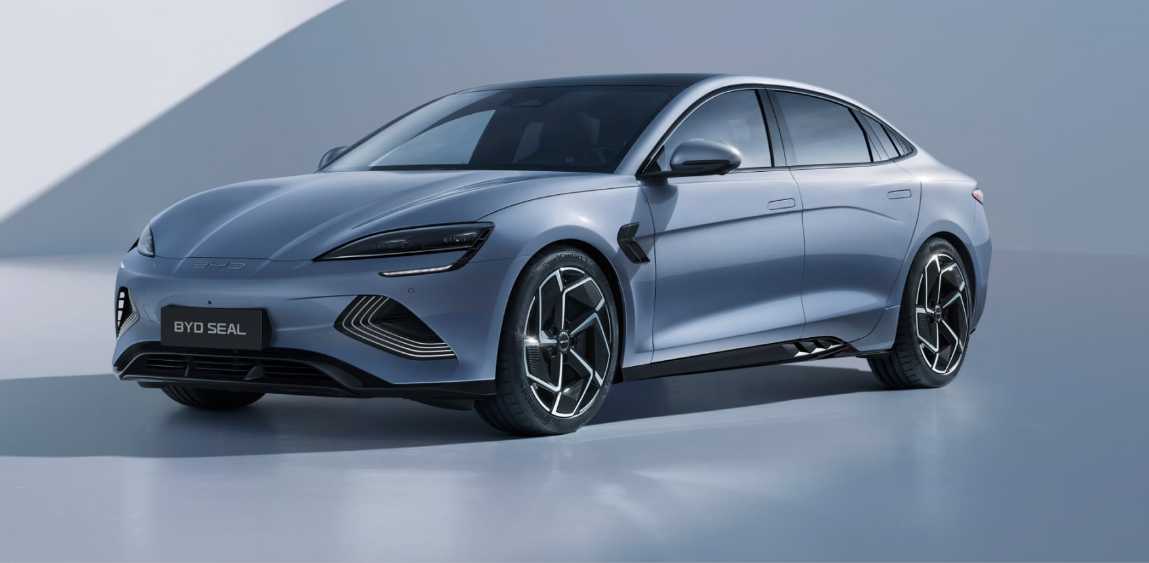
BYD: The global volume leader is currently conducting cold-weather vehicle testing in northern Canadian environments and expects to initiate official retail sales next year.
Chery: Preparing its sub-brands, such as Omoda and Jaecoo, to claim a portion of the remaining quota.
Geely Sister Brands: Other premium electrified divisions within the parent company’s portfolio are closely watching the Lotus rollout to model their own distribution paths.
Could Canada Become a Gateway for Chinese EVs?
Industry analysts frequently point out that Canadian consumer habits closely parallel those in the United States, particularly regarding preferences for all-wheel-drive crossovers and large premium SUVs. This makes Canada an exceptional testing ground for refinement.
However, treating Canada as a simple back-door stepping stone into the rest of North America is a risky assumption. Under the strict rules of origin enforced by the United States-Mexico-Canada Agreement (USMCA), vehicles must clear rigid regional parts sourcing thresholds to move duty-free across internal borders.
Additionally, current political friction between Washington and Ottawa regarding supply chain security means that Chinese cars sold in Canada will likely face strict border restrictions if owners try to drive them across the U.S. border long-term.
What This Means for Consumers?
For Canadian automotive buyers, the arrival of these vehicles delivers immediate practical benefits:
Unprecedented Choice: Drivers looking for ultra-luxury EVs finally have alternatives to established mainstays like the Tesla Model X or Porsche Macan Electric.
Technology Acceleration: Geely’s ultra-fast 800V charging architectures and advanced software suites will push rival brands to upgrade their vehicles faster.
Joint-Venture Protection: To secure their import quotas long-term, the Canadian government requires foreign brands to invest in domestic engineering and local manufacturing partnerships, ultimately protecting local automotive careers.