
2027 Toyota Innova Hycross Facelift: What to Expect?
The premium MPV segment in India has been dominated by one nameplate for two decades: the 2027 Toyota Innova. While the current-generation model took a radical leap by transitioning to a monocoque chassis and a strong hybrid setup, recent spy shots and growing automotive industry reports suggest that Toyota is already preparing a mid-life update for its flagship multi-purpose vehicle.
The upcoming 2027 Toyota Innova Hycross is highly anticipated, as it will need to shoulder an even greater burden for the Japanese carmaker in the near future. The Hycross remains one of India’s most popular premium MPVs due to its unmatched space, stellar reliability, and class-leading fuel economy.
Let us dive into what we can expect from this upcoming refresh.
Expected Exterior Design Revisions
While the overall silhouette of the MPV is expected to remain largely unchanged to preserve its commanding road presence, the Toyota Innova Hycross facelift will likely receive significant aesthetic tweaks at the front and rear.
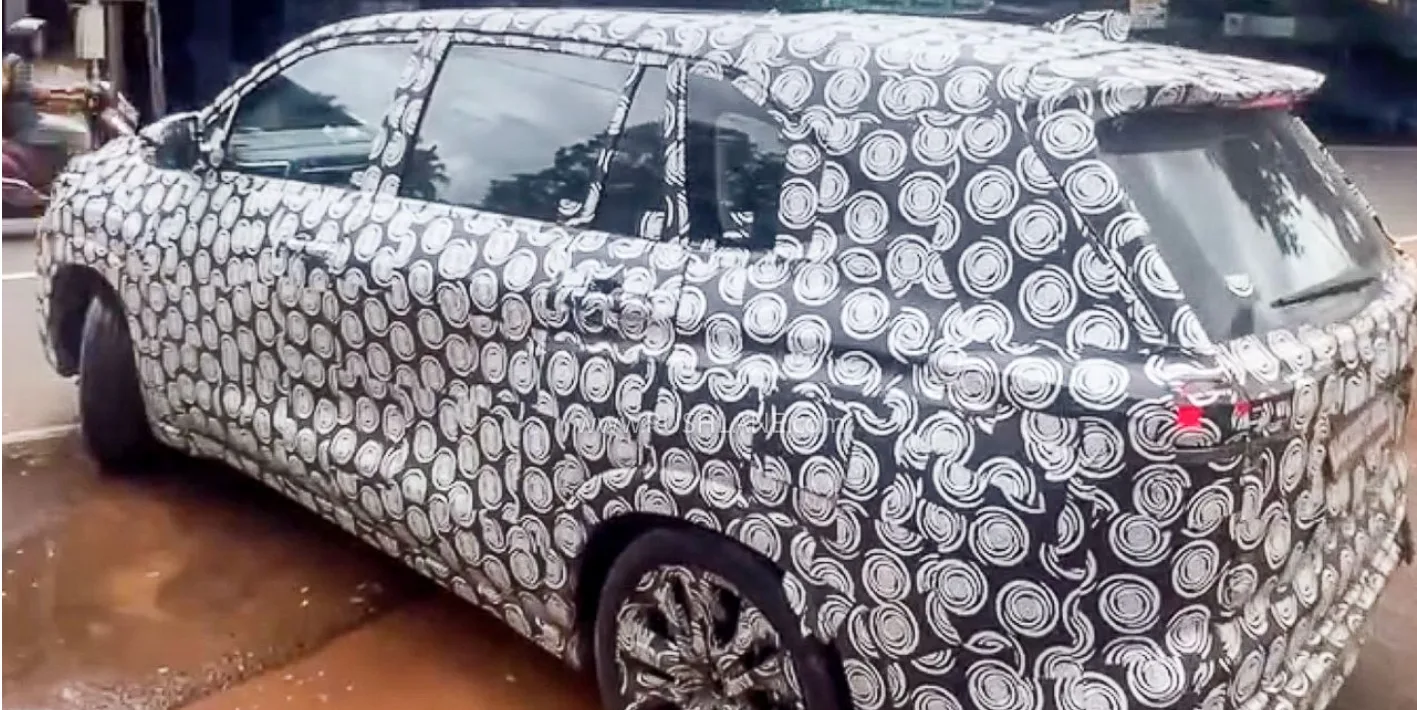
Heavy camouflage on recent test mules suggests that the front fascia will see the most dramatic transformation. Enthusiasts can look forward to a larger, more imposing front grille with a revised mesh pattern, flanked by sharply redesigned LED headlamps.
Updated daytime running lights (DRLs) will likely double as dynamic turn indicators, giving the MPV a more modern appearance. A newly sculpted front bumper with revised fog lamp housings will round out the front profile.
Along the sides, the general character lines will stay familiar, though Toyota is expected to introduce fresh alloy wheel designs. The top-tier variants might see an upgrade in wheel styling to add a sportier stance.
At the rear, minor styling revisions will likely include a tweaked bumper design and slightly revised internal elements for the LED tail lamps. Additionally, a few new exterior colour options are anticipated to breathe fresh life into the lineup.
Expected Cabin & Features Upgrades
The current model already boasts a premium cabin, but the upcoming refresh aims to elevate the experience further to stay ahead of newer competition. A massive talking point for the interior will be an updated, larger infotainment system with a slicker user interface, retaining seamless wireless Android Auto and Apple CarPlay compatibility.
Drivers will also appreciate a fully digital instrument cluster replacing the current semi-digital unit, offering customizable layouts and clearer navigation readouts.
Comfort remains paramount for the Innova badge. The mid-life update is expected to offer premium upholstery options, better cabin insulation (NVH levels) for a quieter highway ride, and subtle adjustments to the seat cushioning to deliver improved third-row comfort.
The feature checklist for the updated premium MPV is expected to include:
Ventilated front seats
A grand panoramic sunroof
A fast wireless smartphone charger
A powered tailgate with gesture control
Upgraded, next-generation connected car technology with remote vehicle access
Expected Powertrain Options
Under the hood, the mechanical hardware is expected to remain consistent, though heavily optimized. The existing 2.0-litre naturally aspirated petrol engine paired with a CVT gearbox will continue to serve the entry-level variants. Similarly, the highly acclaimed 2.0-litre Toyota Innova Hycross hybrid powertrain will remain the crown jewel of the lineup. However, engineers are expected to extract better fuel efficiency through clever software optimization and improved energy management algorithms.
+------------------------------------+------------------------------------+
| Powertrain Type                    | Expected Specifications            |
+------------------------------------+------------------------------------+
| 2.0L Naturally Aspirated Petrol    | ~173 bhp / 209 Nm, CVT Automatic   |
+------------------------------------+------------------------------------+
| 2.0L Strong Hybrid (TNGA 5th Gen)  | ~184 bhp combined, e-CVT Automatic |
+------------------------------------+------------------------------------+
The most compelling rumour surrounding the 2027 Toyota Innova Hycross launch is the strong possibility of a Flex-Fuel (E85-compatible) version. Given Toyota’s earlier public prototype showcases and recent test mules spotted across various regions, an ethanol-compliant variant could debut alongside this facelift.
It is important to note that Toyota has not officially confirmed these changes, but a flex-fuel push aligns perfectly with the brand’s alternative fuel strategy.
Expected Safety Features
Toyota has consistently prioritized passenger safety, and the upcoming facelift will likely take it a step further. The cornerstone of its safety suite will be the updated Toyota Safety Sense ADAS (Advanced Driver Assistance Systems) package.
Drivers can expect a more calibrated version of Adaptive Cruise Control and Lane Keep Assist to make long-distance cruising effortless.
The safety suite will also carry forward crucial active safety tech like a Blind Spot Monitor, Rear Cross Traffic Alert, and a high-definition 360-degree camera system for seamless parking.
In terms of passive safety, the vehicle will continue to offer multiple airbags as standard across variants, Electronic Stability Control (ESC), a Tyre Pressure Monitoring System (TPMS), and front and rear parking sensors. Furthermore, subtle structure structural reinforcements could be introduced behind the scenes to achieve improved body rigidity, ensuring top-tier crash test ratings.
Expected Price and Launch Timeline
While Toyota has not officially announced the launch date, industry timelines indicate that the updated model will make its commercial debut in 2027. This timing allows the current iteration to complete a solid lifecycle while keeping the product competitive against incoming market rivals.
Regarding the Toyota Innova Hycross price, a marginal upward revision is inevitable. The entry-level petrol variants will likely see a nominal price hike, while the strong hybrid variants may see a slight premium due to structural updates, feature additions, and potential emission compliance costs.
The current price range stretches from Rs 19.53 lakh to Rs 32.95 lakh (avg. ex-showroom), and the facelift will likely stretch the upper boundary slightly higher.
Also Read: Helping Farmers or Helping Sons? Why Nitin Gadkari’s Fuel Plan Faces Tough Questions