Tesla Cybercab May Let You Work, Stream and Browse on the Go
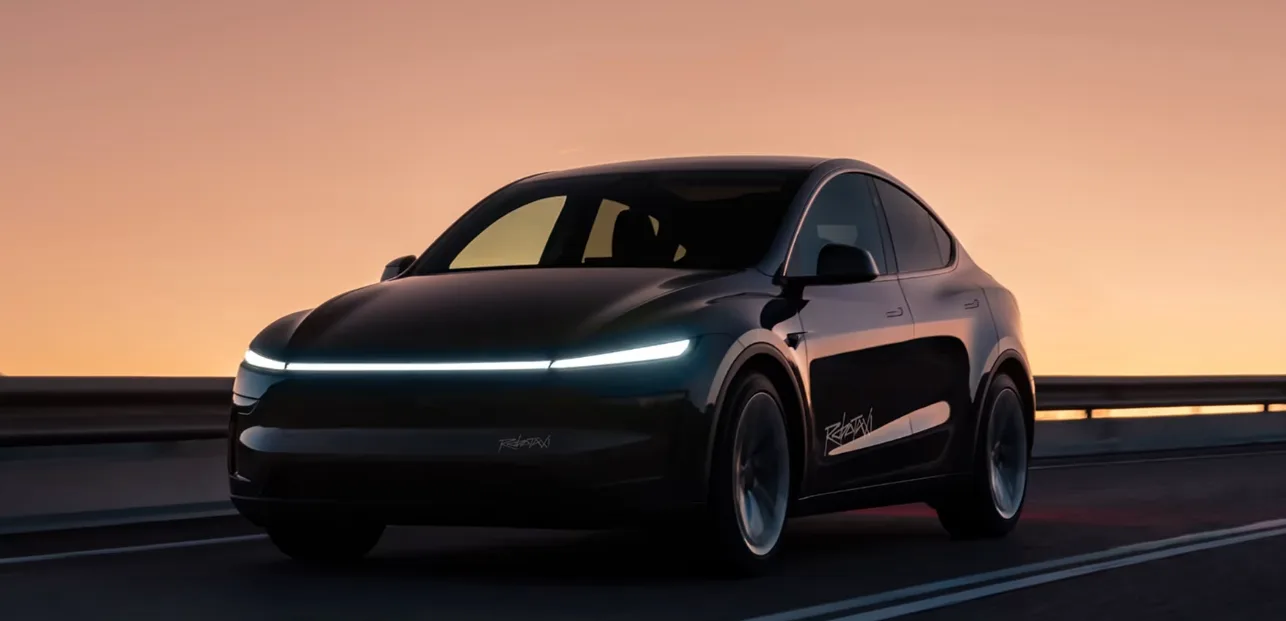
Tesla has officially announced that its upcoming Cybercab will feature built-in Starlink hardware, enabling passengers to access satellite-based internet during their rides. This announcement highlights a significant collaboration between Tesla and SpaceX, both of which are owned by Elon Musk.
The integration of electric mobility with advanced satellite communication technology continues to evolve with this partnership. The news was shared through official social media posts from both Tesla and Starlink.
Starlink described the feature as “high-speed internet from space for the future of autonomous vehicles,” emphasizing its goal of providing seamless connectivity for next-generation self-driving transportation.
Tesla’s Cybercab will use Starlink’s latest V5 antenna, a newly developed satellite communication unit that is both smaller and significantly lighter than the previous version. Mounted at the rear of the vehicle, the new hardware weighs around 1.1kg, compared to nearly 2.9kg for its predecessor.
Despite the reduction in size and weight, the V5 antenna is capable of delivering download speeds exceeding 375Mbps under ideal network conditions, ensuring a fast and stable internet experience for passengers.
How Starlink Connectivity Could Benefit Passengers
The addition of Starlink satellite internet is expected to improve connectivity, particularly in remote regions and areas with weak or no cellular coverage, where conventional mobile networks often struggle.
Besides supporting Tesla’s connected vehicle ecosystem, the high-speed internet link could enhance onboard entertainment, video streaming, web browsing and other online services during the ride.
Tesla has also filed a patent for a technology that integrates radio antennas directly into a vehicle’s roof, indicating the company’s broader plans to improve wireless connectivity in its future models.
Cybercab Is Tesla’s Vision For Driverless Mobility
The Cybercab represents one of Tesla’s most ambitious projects in autonomous transportation. Designed as a two-seater electric vehicle, it completely eliminates traditional driving controls such as the steering wheel and pedals, relying entirely on Tesla’s self-driving software to operate.
The vehicle is intended to become a key part of the company’s future robotaxi network, with initial production reportedly beginning during the second quarter of 2026.
Also Read: Yamaha to Launch New Electric Scooter in India
Testing Continues Before Commercial Launch
Although production has started, the Cybercab is still undergoing extensive testing as Tesla works to further refine its autonomous driving technology. The company’s self-driving systems continue to face close regulatory scrutiny, making safety validation a crucial part of the development process.
The integration of Starlink into the Cybercab also reflects Tesla’s broader strategy of combining technologies from Elon Musk’s various businesses to create a more connected and intelligent mobility ecosystem.
Also Read: Is JSW Motors Buying a Major Stake in Volkswagen India? Here’s What We Know