Best Electric Scooters Under Rs 1.5 Lakh In India – May 2026 Buyer’s Guide
The Indian two-wheeler landscape has hit a pivotal turning point in May 2026. What was once a market hesitant about “voltage over valves” has fully embraced the silent surge.
The under-Rs 1.5 lakh electric scooter segment has evolved from a niche alternative into the primary choice for the modern Indian commuter.
Today’s buyers are no longer just looking to save on fuel; they are demanding—and receiving—long-range capabilities, warp-speed acceleration, and cockpit technology that rivals modern cars.
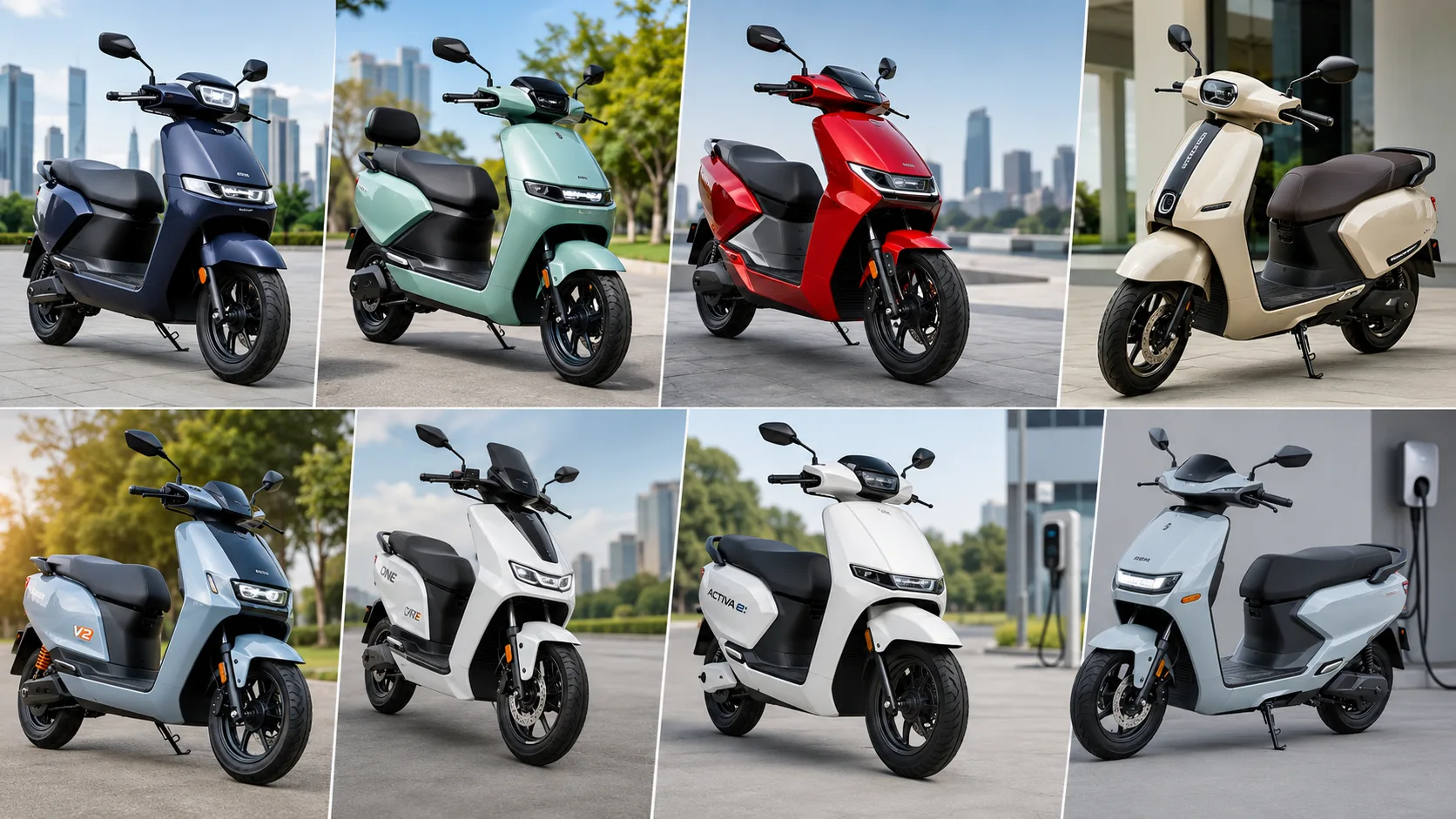
With heavyweights like Ola Electric, TVS, Ather, Bajaj, Hero MotoCorp (Vida), Honda, and Suzuki locked in a feature war, the result is a fleet of smarter, more practical, and incredibly refined EVs.
Whether it is the convenience of battery swapping or the thrill of hyper-mode sprints, the 2026 electric scooter market offers a solution for every garage.
TVS iQube S 4.7kWh: The Balanced Benchmark
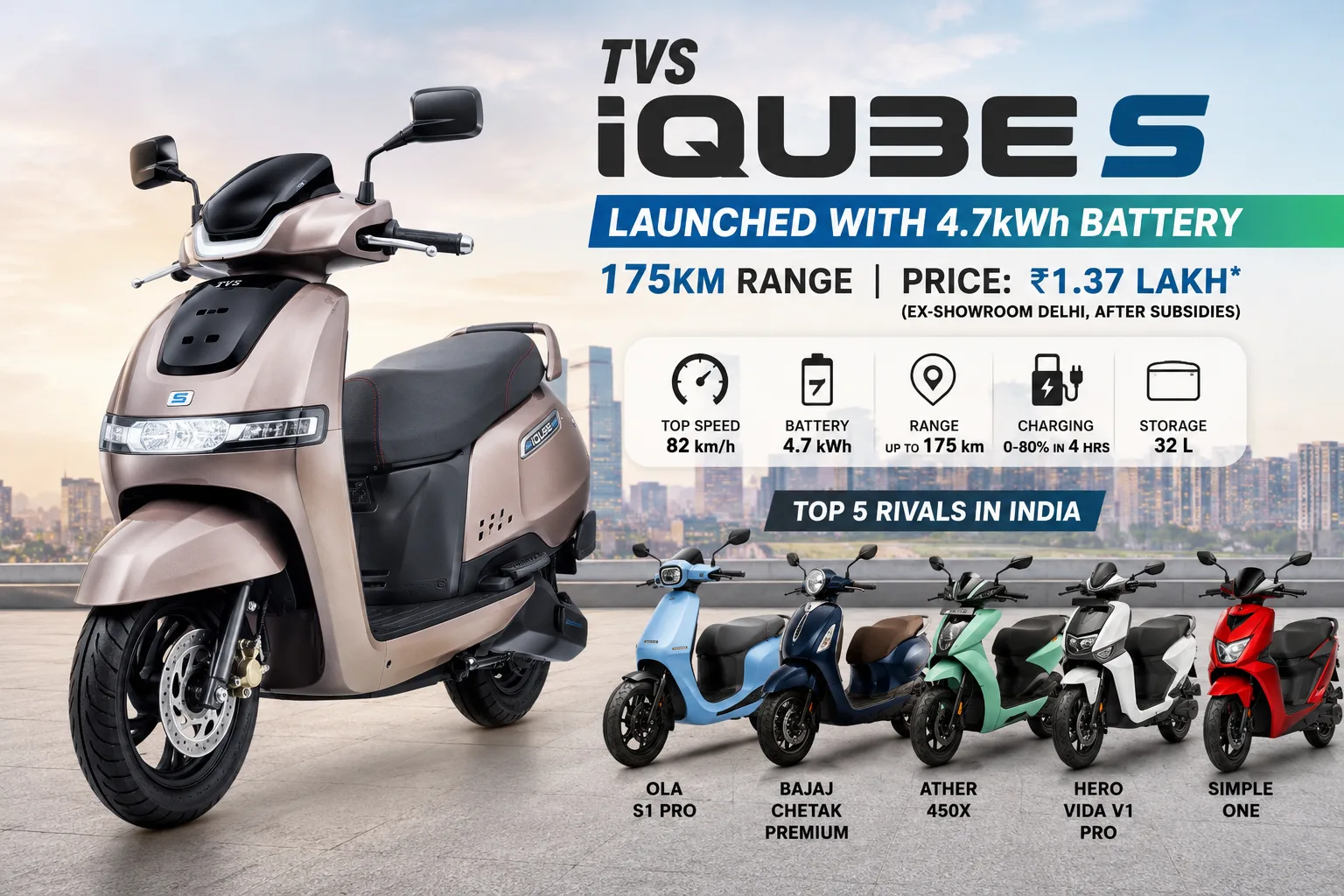
TVS has refined its “common sense” approach to EVs with the updated iQube S. Now equipped with a larger 4.7kWh battery, it addresses the primary concern of range anxiety by offering a claimed 175km on a single charge.
The iQube S maintains its celebrated family-focused ergonomics, offering a spacious floorboard and a neutral seating position. Its 7-inch TFT display is crisp, featuring turn-by-turn navigation and a dedicated reverse mode.
The ride quality is arguably the smoothest in the segment, absorbing Indian potholes with poise.
Price: ~Rs 1.42 Lakh
Top Speed: 82 km/h | Charging Time: 0-80% in 4.5 hours
Ideal For: Families and commuters who prioritize reliability, comfort, and a “traditional scooter” feel.
Pros: Exceptional build quality, silent motor, great real-world range.
Cons: Conservative styling compared to tech-heavy rivals.
Ather Rizta Z: The Ultimate Family EV
Ather Energy, known for its sporty DNA, pivoted brilliantly with the Rizta Z to capture the family market. The Rizta boasts one of the largest seats in the industry and a massive under-seat storage area, making it the most practical “grocery-getter” in the EV space.
It integrates Google Maps directly into the dashboard and introduces segment-first safety features like traction control. The ride quality is plush, tuned specifically for carrying pillion passengers with ease.
Price: ~Rs 1.38 Lakh
Battery: 3.7kWh | Claimed Range: 159km
Top Speed: 80 km/h | Charging Time: 0-80% in 5.5 hours
Ideal For: Urban families who need maximum storage and top-tier smart features.
Pros: Massive storage, Google Maps integration, high-quality finishes.
Cons: Charging speed is slightly slower than the flagship 450 series.
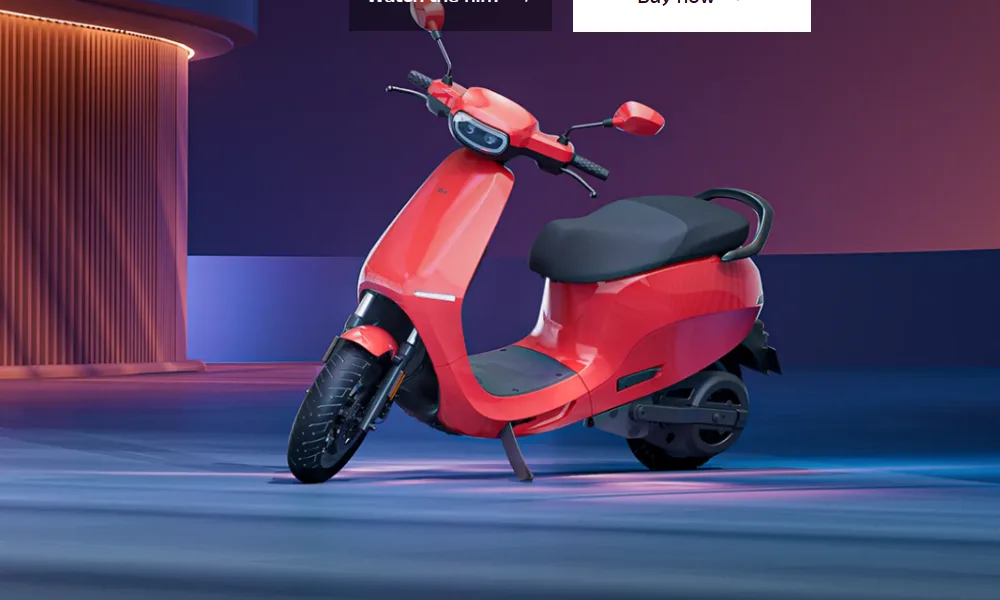
Ola S1 Pro Gen 3: The Tech Titan
The Ola S1 Pro Gen 3 continues to dominate the performance and technology charts. With its 4kWh battery and a motor that propels it to 120 km/h, it remains the drag-race king of the segment.
The MoveOS software has matured significantly, offering proximity unlock, cruise control, and “Party Mode.” The Gen 3 platform has improved chassis rigidity, addressing earlier concerns about durability. It feels more like a smartphone on wheels than a traditional scooter.
Price: ~Rs 1.35 Lakh
Claimed Range: 195km | Top Speed: 120 km/h
Charging Time: 0-100% in 6.5 hours (Home), Fast charging supported.
Ideal For: Tech-savvy youngsters and performance enthusiasts who want the “coolest” scooter on the block.
Pros: Blistering acceleration, massive tech suite, long range.
Cons: Heavy reliance on the touchscreen for basic functions.
Bajaj Chetak Premium: The Metal Marvel
In a world of plastic panels, the Bajaj Chetak Premium stands out with its high-quality metal body construction. It oozes “Vespa-esque” charm but with a modern Indian twist.
The 2026 Premium variant features a vibrant TFT display and a refined throttle calibration that mimics the linearity of a petrol scooter.
It doesn’t chase record-breaking top speeds; instead, it focuses on “fit-and-finish” and a sense of permanence that plastic EVs lack.
Price: ~Rs 1.45 Lakh
Battery: 3.2kWh | Claimed Range: 126km
Top Speed: 73 km/h | Charging Time: 0-100% in 4.5 hours
Ideal For: Mature urban buyers who value brand legacy and premium craftsmanship over high-speed stats.
Pros: Elegant design, solid metal build, excellent dealer network.
Cons: Lower top speed than most competitors in this price bracket.
Hero Vida V2 Pro: The Modular Strategist
Hero MotoCorp’s Vida V2 Pro is a unique proposition thanks to its removable battery packs. This allows users who live in high-rise apartments to charge their batteries at home—a game-changer for urban EV adoption.
The V2 Pro features a highly customizable riding mode setup and a robust 7-inch touchscreen. It feels rugged and well-built, backed by the largest service network in India.
Price: ~Rs 1.30 Lakh
Claimed Range: 165km | Top Speed: 85 km/h
Charging Time: 0-80% in 5 hours (Home), Fast charging available.
Ideal For: Apartment dwellers and those who need the flexibility of swappable batteries.
Pros: Swappable batteries, Hero’s massive service backup, fast charging.
Cons: Boot space is slightly compromised due to the battery compartment.

Simple One: The Range Warrior
The Simple One remains the darling of the “range-focused” crowd. With a massive 5kWh battery setup (combined fixed and removable), it offers a segment-leading claimed range that nears the 212km mark.
It is surprisingly quick, with a 0-40 km/h time that rivals some 160cc motorcycles. While the product is high-spec, the brand is still working on expanding its service touchpoints and ensuring consistent delivery timelines across India.
Price: ~Rs 1.49 Lakh
Claimed Range: 212km | Top Speed: 105 km/h
Charging Time: 0-80% in 5.8 hours.
Ideal For: Riders with very long daily commutes who want to charge only once or twice a week.
Pros: Incredible range, sporty design, powerful mid-drive motor.
Cons: Limited service network compared to legacy brands.
Honda Activa e: The Practical Pioneer
Honda’s long-awaited entry into the EV space, the Activa e:, prioritizes “ease of use” over “excitement.” It utilizes Honda’s Mobile Power Pack (battery swapping) system, allowing riders to swap batteries at dedicated stations in minutes.
The design is a refined evolution of the iconic Activa, ensuring that moving to electric feels familiar and unintimidating for the masses.
Price: ~Rs 1.25 Lakh
Range: ~100km per swap | Top Speed: 75 km/h
Ideal For: Mass-market buyers who don’t want to wait for charging and prefer Honda’s legendary reliability.
Pros: No charging wait times (swapping), familiar ergonomics, widespread trust.
Cons: Dependent on Honda’s swapping station density in your city.
Suzuki e-Access: The Comfort King
Suzuki entered the 2026 market with the e-Access, focusing on the “executive commuter.” It shares the plush, sofa-like seat of its petrol sibling and adds a silent, refined motor.
It features a sleek connected dashboard with call/SMS alerts and navigation. Suzuki’s approach has been conservative, ensuring that the electronics are bulletproof and the ride is exceptionally comfortable for two adults.
Price: ~Rs 1.32 Lakh
Range: ~120km | Top Speed: 80 km/h
Ideal For: Office goers and small families looking for a refined, hassle-free Japanese EV.
Pros: Superb comfort, balanced performance, Suzuki’s “big bike” finish.
Cons: Features are a bit “safe” compared to the radical Ola or Ather offerings.
Conclusion
The electric scooter market under Rs 1.5 lakh in 2026 is a testament to Indian engineering and consumer evolution.
Whether you are a father looking for the storage of the Ather Rizta, an enthusiast craving the speed of the Ola S1 Pro, or a reliability-seeker eyeing the Honda Activa e:, the options are world-class.
Choose your ride based on your specific charging situation at home and your daily mileage requirements. In 2026, the question isn’t “Why go electric?”—it’s “Which electric fits you best?”
Note: Prices and subsidies vary by state (e.g., Delhi vs. Gujarat). Check your local RTO and state government portals for the most accurate final on-road price.