E20 Petrol Could Damage Rubber Parts in Older E10 Vehicles, Says ARAI Report
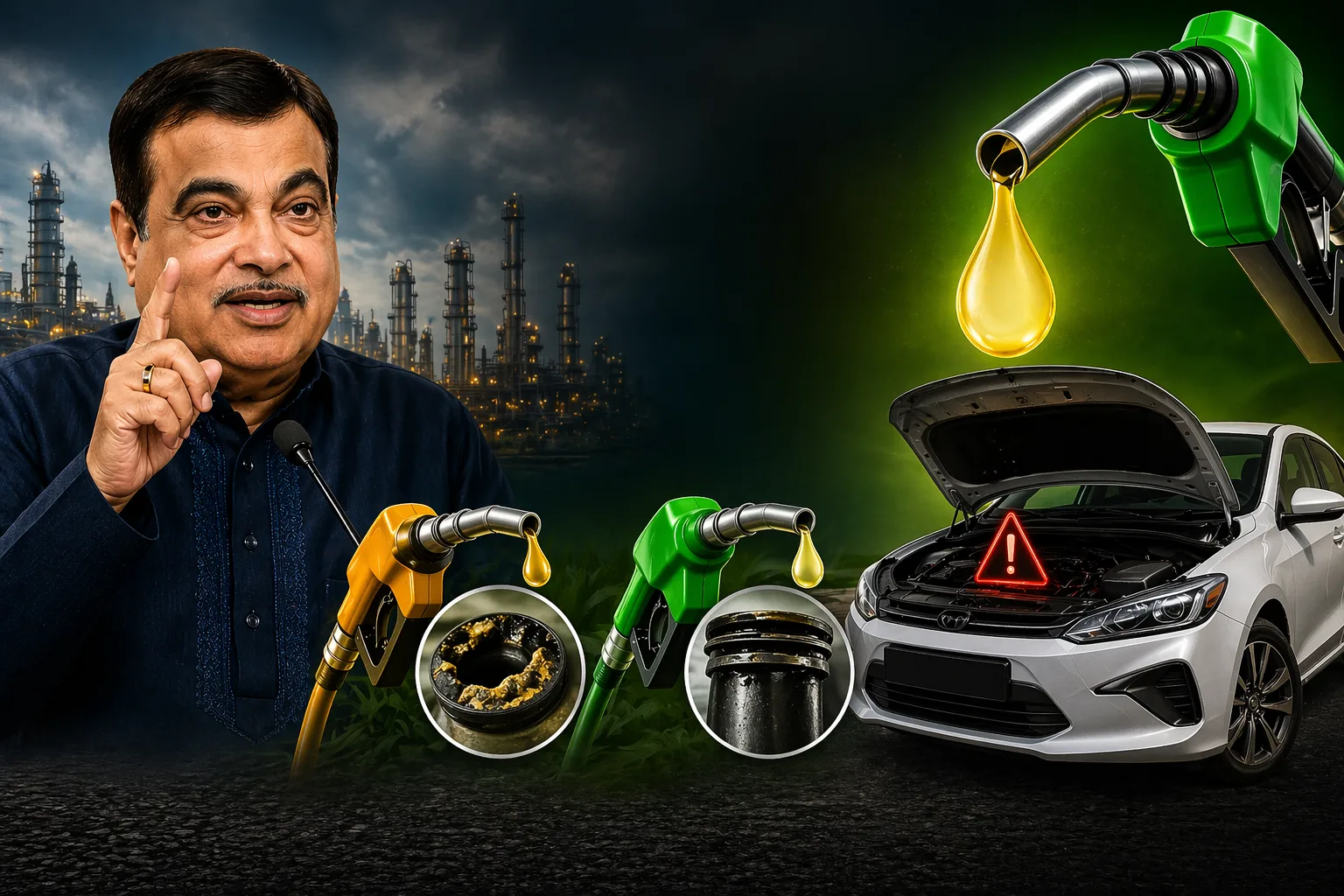
India’s nationwide rollout of E20 petrol has sparked fresh debate after an unpublished study by the Automotive Research Association of India (ARAI) reportedly found that vehicles designed for E10 fuel could experience deterioration of certain rubber components in their fuel systems when operated on E20 petrol.
The findings have raised concerns among owners of older petrol vehicles, even as automakers and fuel companies continue to maintain that E20 is safe for modern, E20-compatible models.
The report does not suggest immediate engine failure but highlights potential long-term compatibility issues for vehicles that were originally engineered for lower ethanol blends.
What Does the ARAI Report Say?
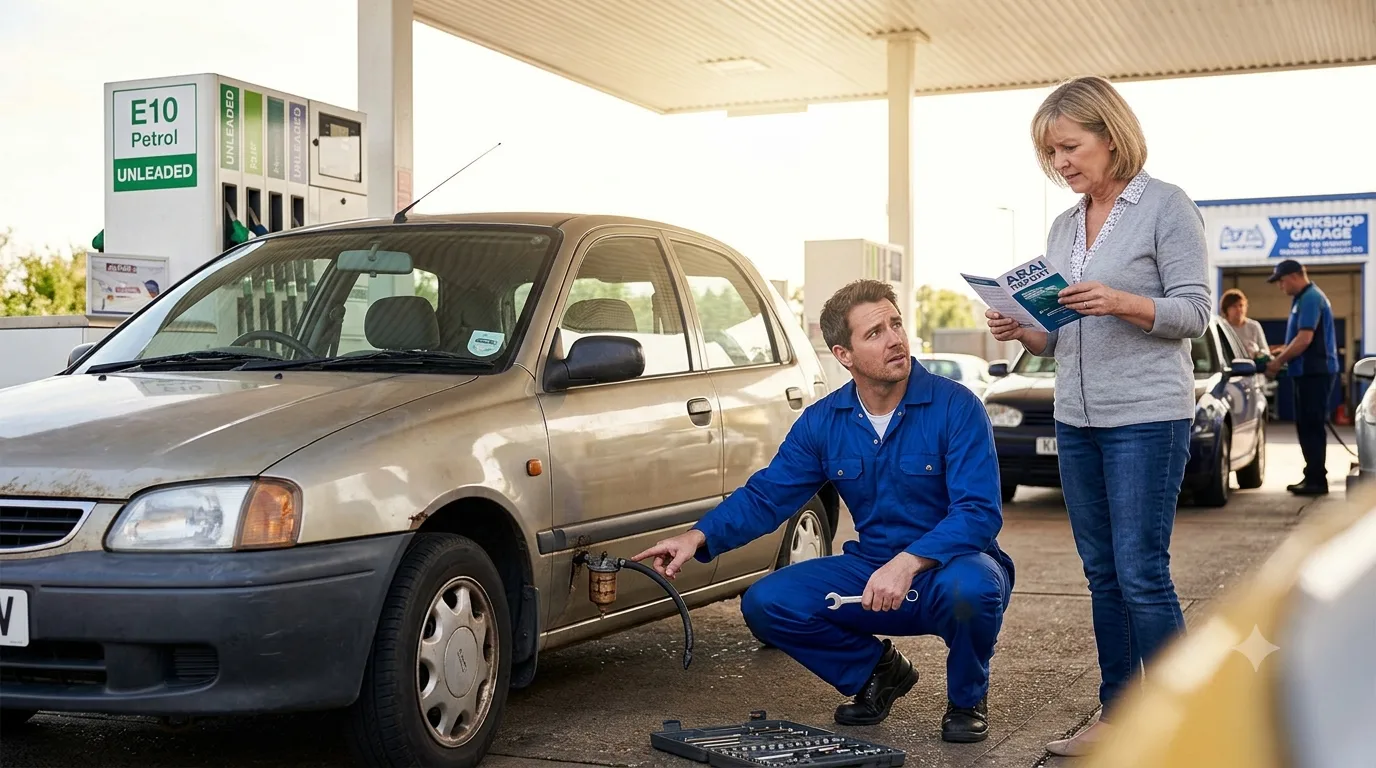
According to the report, E20 petrol containing 20% ethanol and 80% petrol can accelerate wear in rubber-based fuel-system components found in vehicles certified only for E10 fuel. The parts identified include:
- Fuel hoses
- Rubber gaskets
- Seals
- O-rings
ARAI reportedly recommended that these components may require replacement if E10-compliant vehicles are regularly operated on E20 fuel.
However, the study also found that metal fuel-system components and protective coatings were not adversely affected by the higher ethanol blend.
Why Can E20 Affect Older Vehicles?
Ethanol is more chemically reactive than conventional petrol. A higher ethanol concentration can interact with certain rubber materials used in older fuel systems, potentially leading to swelling, hardening, cracking, or gradual deterioration over time.
Many vehicles manufactured before the introduction of E20-compatible fuel systems were designed around E10 petrol. While they may continue to run on E20, prolonged use could increase maintenance requirements if fuel-system components are not compatible with the higher ethanol content.
Are All Cars at Risk?
No. The reported concerns primarily apply to E10-compliant vehicles, particularly older petrol models. Most passenger vehicles manufactured in India from April 2023 onwards have been engineered to support E20 fuel and are expected to operate without compatibility issues.
ARAI has also advised owners experiencing any E20-related concerns to contact their vehicle manufacturer’s authorised service centres for inspection and guidance.
What About Engine Durability?
The ARAI study reportedly included engine durability evaluations ranging from 400 to 806 hours. While rubber fuel-system components showed signs of deterioration in E10 vehicles, the report did not conclude that E20 petrol causes widespread engine failure. Instead, it pointed to material compatibility issues that may require preventive maintenance in older vehicles.
Industry Continues to Back E20 Petrol
The findings have emerged amid ongoing discussions over India’s ethanol-blending programme. Vehicle manufacturers and industry bodies continue to support the government’s E20 rollout, stating that extensive testing has not shown evidence of engine damage in compatible vehicles.
Automakers have acknowledged that E20 may result in a slight reduction in fuel efficiency because ethanol contains less energy than petrol, but they maintain that modern E20-ready vehicles are designed to safely use the fuel.
Why India Is Promoting E20 Fuel
The Government of India introduced E20 petrol as part of its strategy to:
- Reduce dependence on imported crude oil
- Lower greenhouse gas emissions
- Increase ethanol production from domestic agricultural feedstock
- Support farmers and the biofuel economy
The nationwide transition to E20 was completed ahead of schedule and now represents the standard petrol blend available across the country.
What Should Owners of Older Cars Do?
Owners of older petrol vehicles do not need to panic, but they should be aware of their vehicle’s fuel compatibility.
If your owner’s manual specifies compatibility only with E10 fuel, it is advisable to monitor the vehicle for fuel-system leaks, unusual fuel smells, or changes in performance. During routine servicing, mechanics should inspect rubber hoses, seals, and O-rings for signs of wear. Replacing ageing rubber components, if required, can help avoid future issues.
Vehicle owners should also consult their manufacturer’s service centre to confirm whether their car is certified for E20 fuel and follow the maintenance schedule recommended by the automaker.
Also Read: 2026 Renault Kwid vs Maruti Suzuki S-Presso: Which Hatchback Is the Best Choice for You?
Final Verdict
The ARAI findings add an important technical perspective to India’s transition towards cleaner fuels. While E20 petrol appears safe for vehicles specifically designed for it, the report suggests that older E10-compliant vehicles may experience faster wear of certain rubber fuel-system components over time.
For most motorists, there is no immediate cause for concern. However, owners of older petrol vehicles should remain informed, follow manufacturer recommendations, and ensure regular maintenance as India continues its shift towards higher ethanol fuel blends.
This proactive approach will help maintain vehicle reliability while supporting the country’s long-term clean energy goals.
Also Read: Tesla Expands EV Charging Network in India, Opens North India’s First In-Mall Charging Station