Ford Recalls Over 110,000 US Vehicles Over Wiper and Pinion Shaft Issues
The American automotive market is closely watching Ford Motor Company as it initiates two separate safety campaigns impacting a major pillar of its lineup.
According to a new directive from the US National Highway Traffic Safety Administration (NHTSA), Ford is recalling a combined total of 110,626 vehicles across the United States. The massive safety action targets two completely separate mechanical issues.
One campaign involves a critical component of the electronic drivetrain in its electric SUV, while the other addresses malfunctioning windshield wipers on its traditional sports cars.
Both defects have raised concerns regarding sudden loss of control or visibility on public roads.
Ford Recall Scope and Affected Models
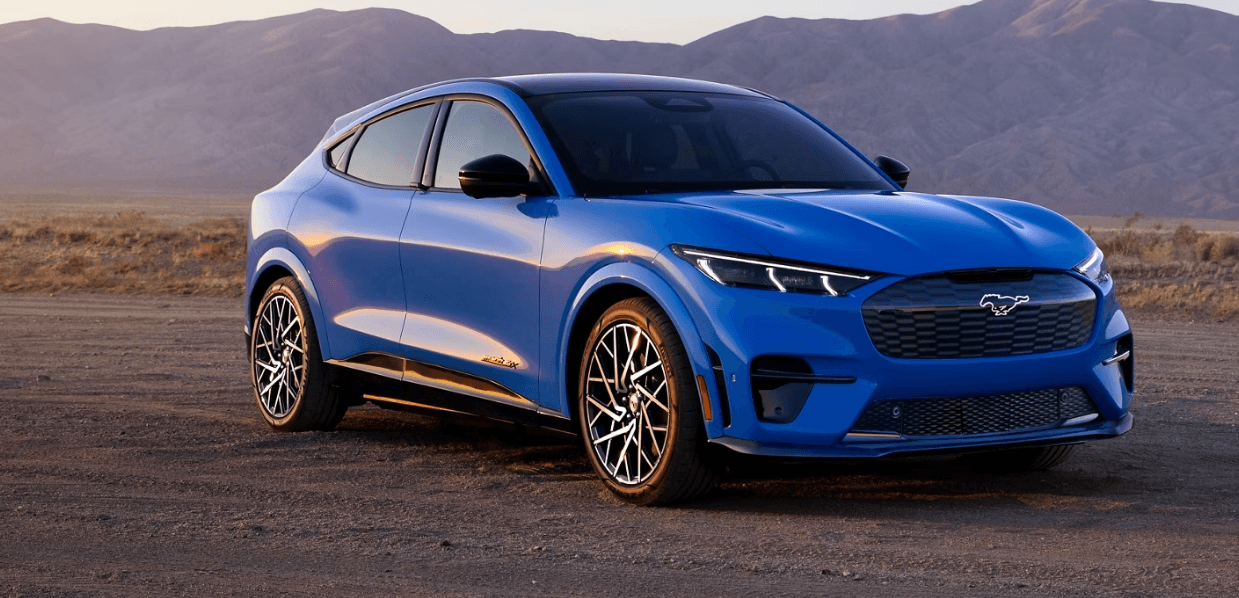
The dual recall campaign splits across Ford’s modern performance lineup, touching both conventional internal combustion engine (ICE) models and its premier battery-electric vehicle (BEV).
+-------------------------------------------------------------+
|                 RECALL BREAKDOWN AT A GLANCE                |
+--------------------------+----------------------------------+
| Total Affected Vehicles  | 110,626 units across the US      |
| Windshield Wiper Recall  | 67,842 Mustang & Mustang GTD     |
| Pinion Shaft Recall      | 42,784 Mustang Mach-E SUVs       |
| Repair Cost to Consumer  | $0 (Fully covered by Ford)       |
+--------------------------+----------------------------------+
The action encompasses multiple model years. The windshield wiper defect impacts a massive batch of gas-powered Mustang coupes and the ultra-premium Mustang GTD.
Meanwhile, the drivetrain-related pinion shaft recall singles out thousands of all-electric Mustang Mach-E crossover crossovers.
Windshield Wiper Malfunctions in the Mustang
The larger of the two recall campaigns covers 67,842 traditional gas-powered Mustang and high-performance Mustang GTD models. The regulatory filings note that under specific freezing or cold temperature conditions, the windshield wiper system can experience a total electronic communication breakdown.
When the temperature drops, the wipers may default to operating strictly at their highest speed setting, leaving drivers unable to adjust the speed to match varying weather conditions.
Simultaneously, the central windshield washer fluid pump system can fail completely, cutting off the driver’s ability to clear debris from the front glass. NHTSA warns that this severe limitation on driver visibility can directly increase the risk of a collision during winter weather.
Drivetrain and Rear Differential Pinion Shaft Failures
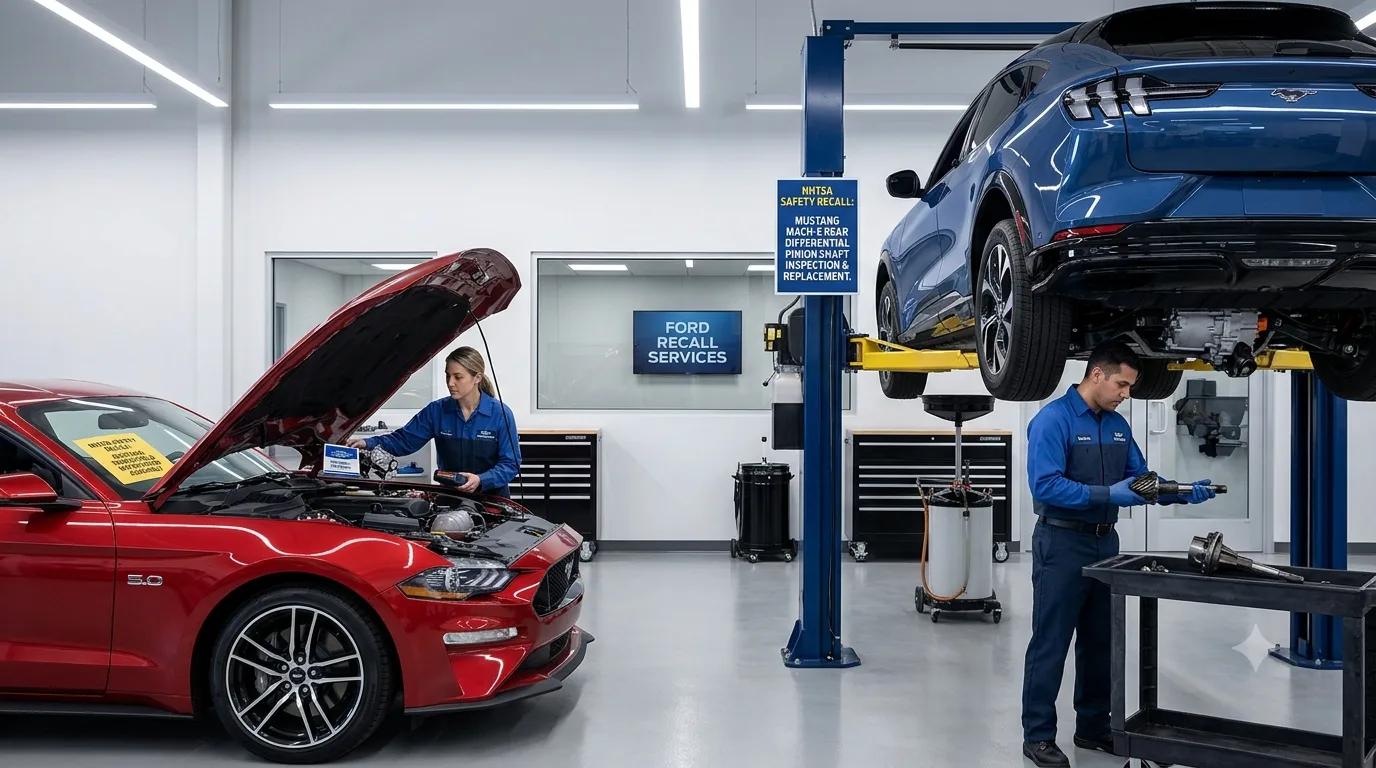
The second, highly critical safety action covers 42,784 Mustang Mach-E electric vehicles. This safety campaign addresses a major mechanical weak point located deep within the rear electric drive unit.
NHTSA safety documents reveal that the rear differential pinion shaft in these electric SUVs is prone to unexpected structural fracturing under heavy load.
If the pinion shaft snaps while the vehicle is in motion, it results in an immediate and total loss of propulsion power to the drive wheels.
Furthermore, if the component fractures while the vehicle is stationary and the driver fails to manually engage the electronic parking brake, the vehicle could experience sudden, unintended rolling movement.
Also Read: Tesla Expands EV Charging Network in India, Opens North India’s First In-Mall Charging Station
Technical Inspection and Repair Process
Ford has confirmed to safety regulators that its extensive dealer network will address both problems entirely free of charge to vehicle owners.
For the traditional Mustang sports cars, technicians will run a system diagnostic and completely replace the front windshield wiper motor assembly with an updated part if required.
For the electric Mustang Mach-E crossovers, the repair process is significantly more intensive. Service centers will inspect the rear drivetrain and replace the entire rear differential assembly to ensure structural durability.
Ford plans to begin mailing official owner notification letters heavily throughout this month, advising drivers exactly when to schedule their free service center appointments.
The Broader Impact on Ford’s Quality Strategy
This dual recall arrives at a highly complex time for Ford’s long-term engineering and quality assurance strategy. The Dearborn-based automaker has faced significant financial pressure over the past few years due to high warranty repair costs and a high volume of industry safety recalls.
While Ford recently celebrated an important victory by ranking as the top mainstream automotive brand in the J.D. Power Initial Quality Study, this latest safety action shows that tracking and correcting component engineering defects in older product runs remains an ongoing operational challenge.
It underscores the immense difficulty global automakers face in managing quality control across highly distinct vehicle architectures bearing the same historic model badge.
Also Read: 2026 Renault Kwid vs Maruti Suzuki S-Presso: Which Hatchback Is the Best Choice for You?