TVS Motor Boosts R&D Spend to Rs 1,254 Crore
The Indian two-wheeler space is undergoing a radical technological overhaul, moving away from simple mechanical engineering toward data-driven, software-defined mobility. At the vanguard of this transition is TVS Motor Company. According to its latest FY2025-26 annual report disclosures, the company has scaled its annual Research and Development expenditure to a record Rs 1,254 crore.
This aggressive TVS Motor R&D investment comes at a critical juncture. The competitive dynamics within the Indian EV market are intensifying rapidly, driven by nimble startups, shifting federal subsidies, and major legacy rivals expanding their production lines. By deploying a massive team of over 2,000 specialized engineers, TVS is explicitly shifting its focus toward artificial intelligence, advanced software platforms, and next-generation electric vehicle architecture to safeguard its global relevance.
Why TVS Is Increasing R&D Spending
The jump to Rs 1,254 crore represents a highly structured, long-term product strategy. Historically focused on local internal combustion engine (ICE) dominance, the brand’s capital allocation model now mirrors that of premium global technology firms.
According to TVS Motor Chairman and Managing Director Sudarshan Venu, continuous investment in innovation is no longer optional in an unpredictable and complex automotive landscape. The expanded financial pool will directly sustain software ecosystems, automated testing labs, and digital twin technology—where engineers build virtual replicas of physical drivetrains to run predictive wear-and-tear tests via machine learning.
Instead of outsourcing foundational software, TVS is designing internal operating systems to manage vehicle telematics, battery state-of-health tracking, and interactive rider interfaces seamlessly. This independence ensures they can roll out agile system optimizations far ahead of the competition.
Electrification Takes Centre Stage
The core anchor of this expanded budget is TVS electrification. While the popular TVS iQube electric scooter has served as a highly reliable mass-market volume driver—contributing significantly to the 3.71 lakh electric two-wheelers the company sold in FY26—the brand’s future EV pipeline demands entirely unique platforms.
      TVS Motor R&D Expenditure Trajectory (FY23 - FY26)

  ₹1,400 Cr +-------------------------------------------------+
            |                                                 |
  ₹1,200 Cr |                                  [₹1,254 Cr]    |
            |                                       *         |
  ₹1,000 Cr |                       [₹1,025 Cr]    /          |
            |                            *--------'           |
    ₹800 Cr |                           /                     |
            |   [₹645 Cr]              /                      |
    ₹600 Cr |       *-----------------'                       |
            |      /                                          |
    ₹400 Cr |  *--' [₹495 Cr]                                 |
            +--+----+--------------------+----------+---------+
              FY23                      FY25       FY26
This investment actively funds several high-tech domains:
Next-Generation Powertrains: Developing in-house magnet-free electric motors to insulate production lines from rare-earth element supply shocks.
Advanced Cell Chemistry & BMS: Refined Battery Management Systems (BMS) utilizing predictive AI algorithms that optimize thermal safety and longevity across diverse climatic zones.
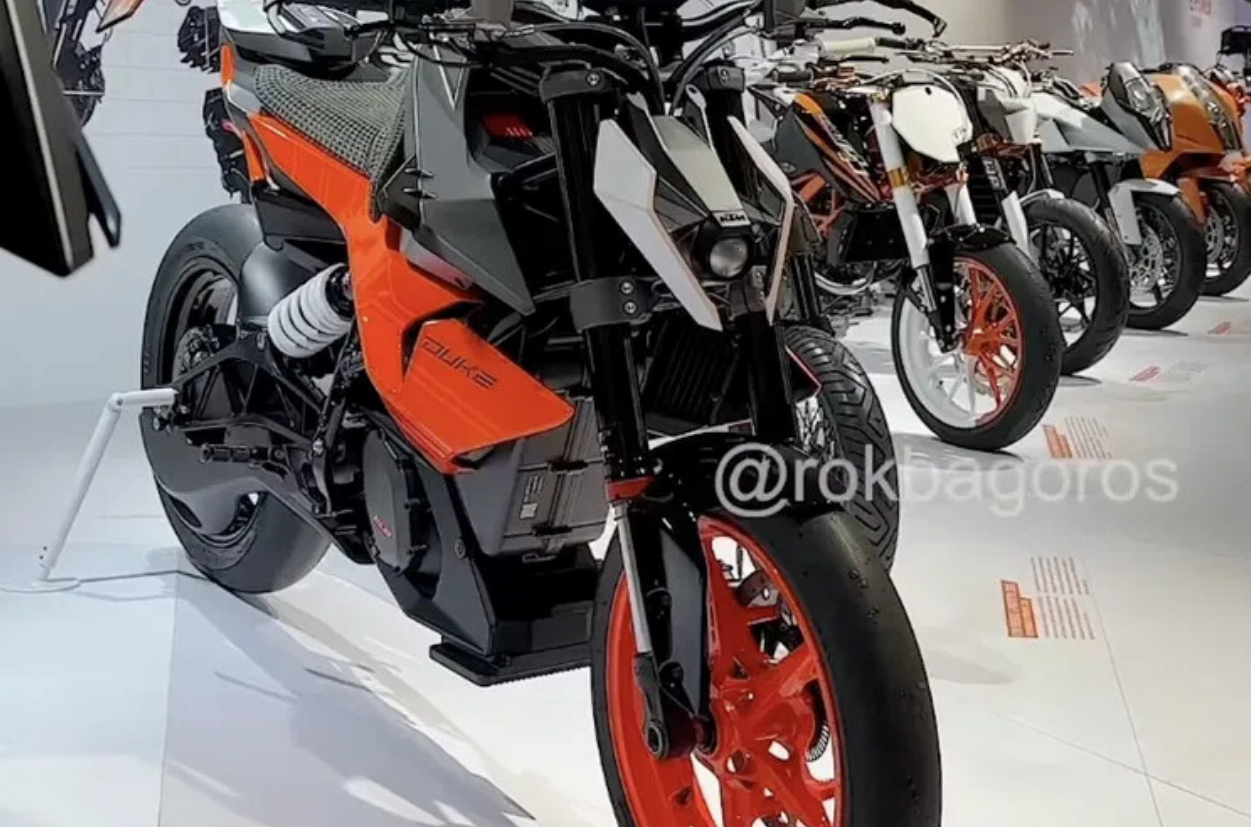
The Premium Pipeline: Fine-tuning high-performance architectures like the flagship TVS X, which leverages advanced platforms to deliver sports-bike-level acceleration and thermal stability.
Beyond EVs: What Else Could Benefit?
While electric mobility India is a high priority, a balanced portion of the fund will improve the rest of TVS’ diverse global portfolio. Internal combustion engine efficiency remains a crucial pillar, especially for export territories across Africa, Latin America, and Southeast Asia where traditional fuel infrastructures still dominate. Engineers are actively researching low-friction components, smart electronic fuel injection systems, and lightweight aluminum-alloy frames to strip weight away, boosting fuel economy and performance across both ICE and electric platforms.
Advanced Rider Assistance Systems (ARAS), cellular vehicle-to-everything (C-V2X) communication arrays, and cross-platform component designs are also receiving development support. This integrated method allows TVS to cross-deploy its digital achievements, ensuring even their mid-tier commuters gain advanced connectivity solutions.
Why This Matters for the Indian EV Market
When one of the world’s largest two-wheeler manufacturers alters its capital allocation toward pure innovation, it triggers an industry-wide chain reaction. This strategic pivot significantly raises the entry barriers for newer entrants by shifting the competition from simple assembly to deep, proprietary technology.
Furthermore, localizing advanced software and hardware architectures naturally drives down production costs over time. As these home-grown platforms scale up, highly sophisticated engineering will quickly trickle down into affordable vehicle segments, positioning India as a prominent global R&D hub for light electric vehicles.