Zoox Receives US Approval to Launch Commercial Robotaxi Service Without Steering Wheel or Pedals
Amazon-owned autonomous mobility company Zoox has achieved a major milestone after receiving approval from the U.S. National Highway Traffic Safety Administration (NHTSA) to commercially deploy its purpose-built robotaxi without traditional driving controls.
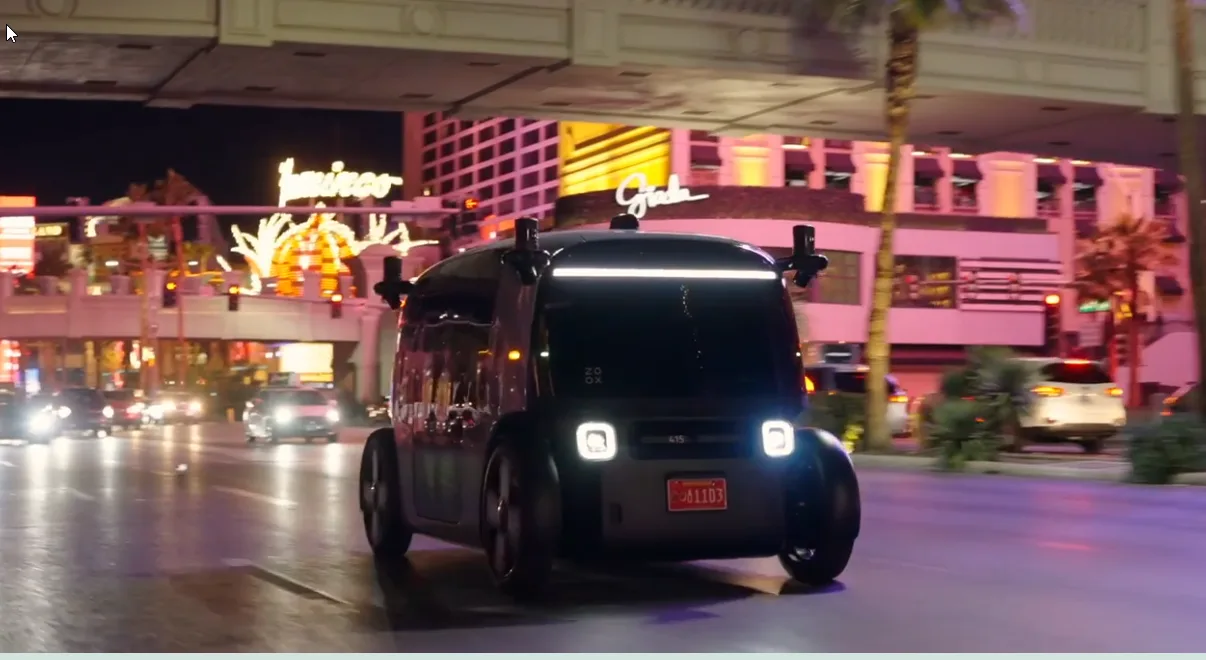
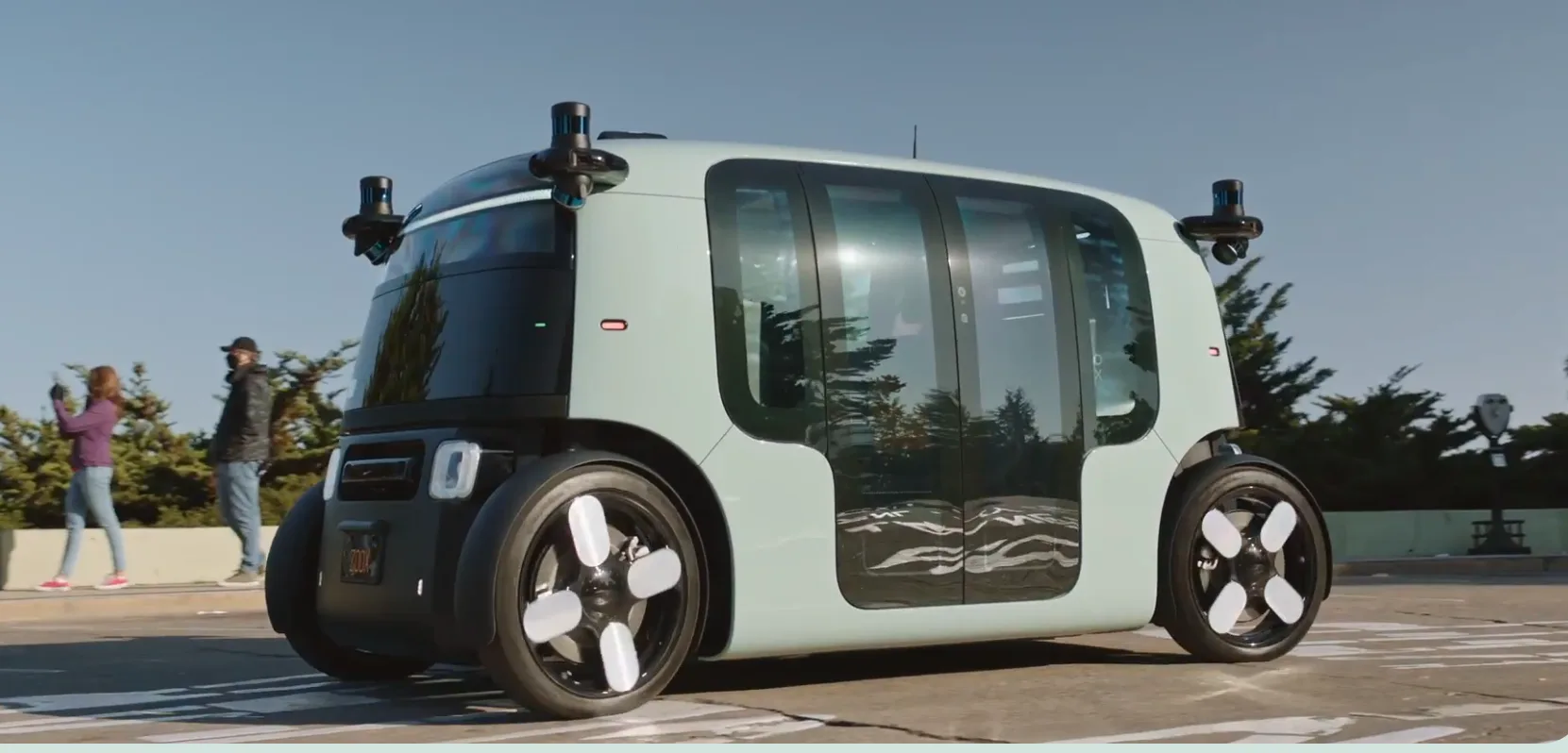
The decision makes Zoox the first company in the United States to receive federal clearance for a fully autonomous vehicle that has been designed from the ground up without a steering wheel, pedals, or manual controls.
The approval marks a significant step forward for the autonomous ride-hailing industry and could accelerate the rollout of next-generation self-driving transport services across the country.
Zoox to Begin Paid Robotaxi Service in Las Vegas
Following the federal approval, Zoox has confirmed that it will soon begin charging customers for rides, with Las Vegas becoming the first city to receive its commercial robotaxi service. The company also plans to expand into additional markets after securing the required state and local regulatory approvals.
Until now, Zoox has been offering free test rides in selected areas of Las Vegas and San Francisco. The latest exemption now allows the company to transition from testing to commercial operations, opening the door for paid autonomous ride-hailing services.
Federal Approval Allows 2,500 Robotaxis Per Year
As part of the approval, NHTSA has authorized Zoox to deploy up to 2,500 robotaxis annually for each of the next two years. The exemption waives certain federal vehicle safety regulations that traditionally require human driving controls such as a steering wheel, brake pedal, and rear-view mirrors.
However, the approval comes with strict conditions. Zoox is prohibited from selling these autonomous vehicles to private customers, meaning they will only operate as part of the company’s ride-hailing fleet.
Unique Design Sets Zoox Apart
Unlike many autonomous vehicle developers that modify existing passenger cars, Zoox has created a dedicated robotaxi platform from scratch.
The electric vehicle features a carriage-style design with two rows of inward-facing seats, allowing passengers to sit face-to-face. It is capable of reaching a top speed of 75 mph (around 120 km/h) and has been engineered specifically for autonomous urban transportation.
The absence of a steering wheel and pedals enables a more spacious cabin while highlighting the vehicle’s fully self-driving capabilities.
Safety Requirements Remain a Priority
Although Zoox has received federal approval, NHTSA has imposed additional reporting obligations to closely monitor the performance of the autonomous fleet.
The company will be required to regularly report incidents involving crashes, unexpected road stoppages, and other operational issues. It must also publish maps showing the areas where its robotaxis are permitted to operate.
Additionally, all remote operators responsible for monitoring the vehicles must be based within the United States. Regulators have also made it clear that the exemption can be withdrawn if significant safety concerns emerge during commercial operations.
NHTSA Working on New Autonomous Vehicle Rules
The approval comes as U.S. regulators continue updating vehicle safety regulations to accommodate autonomous driving technology.
NHTSA is currently working on developing the country’s first dedicated federal safety standards for automated driving systems. Existing vehicle regulations were largely written for conventional vehicles driven by humans and do not fully address the unique design of autonomous vehicles without manual controls.
The agency is also evaluating revisions to long-standing requirements, including rules related to steering systems, brake pedals, and mirrors, to better support future self-driving vehicles while maintaining high safety standards.
Growing Competition in the Robotaxi Industry
Zoox joins a growing list of companies racing to commercialize autonomous transportation in the United States. Industry players including Waymo and Tesla are also expanding their self-driving ambitions.
Waymo has already launched commercial robotaxi services in several U.S. cities, while Tesla has started production of its Cybercab, another vehicle designed without traditional driving controls. However, Tesla is yet to receive comparable regulatory approval for commercial deployment.
Safety Challenges Continue
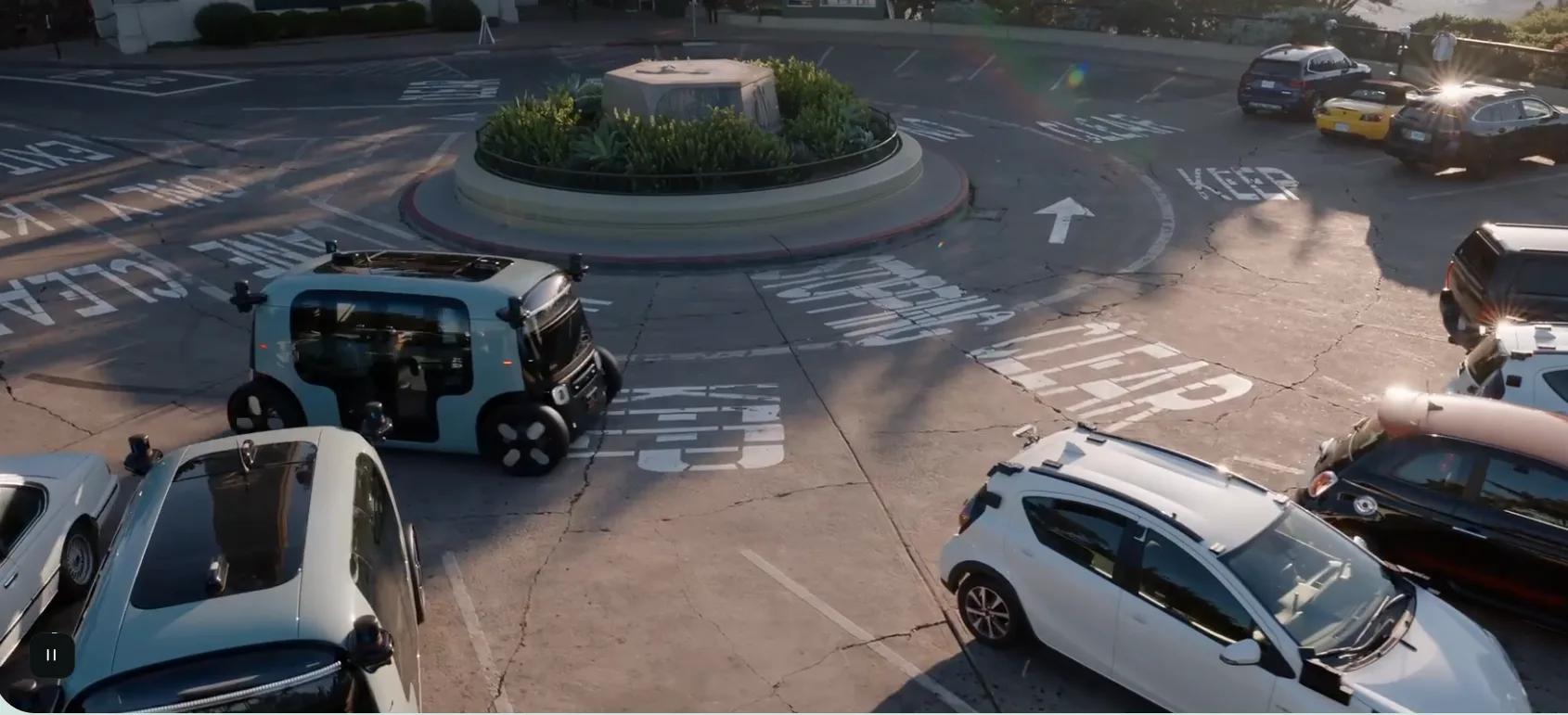
Despite rapid progress in autonomous driving technology, safety remains one of the industry’s biggest challenges.
Earlier this month, U.S. regulators urged autonomous vehicle developers to address recurring issues involving interactions with emergency responders, construction zones, school buses, and flooded roads. Authorities have warned that driverless vehicles must demonstrate consistently safe behaviour before broader deployment is allowed.
Zoox also recently recalled 105 autonomous vehicles to install a software update after identifying a potential issue affecting the detection of heavy smoke during emergency situations.
Final Thoughts
Federal approval for Zoox’s steering-wheel-free robotaxi represents a landmark moment for the autonomous vehicle industry. With permission to begin paid services and deploy thousands of purpose-built autonomous vehicles over the next two years, Zoox is taking a major step toward commercial self-driving transportation.
While strict regulatory oversight and safety monitoring will continue, the approval signals growing confidence in autonomous mobility and could pave the way for wider adoption of robotaxi services in the years ahead.
Also Read: 2026 Kia Sorento Hybrid Teased Ahead of India Launch: Full Detail Here