Bajaj Pulsar N160 SS Launched in India at Rs 1.43 Lakh
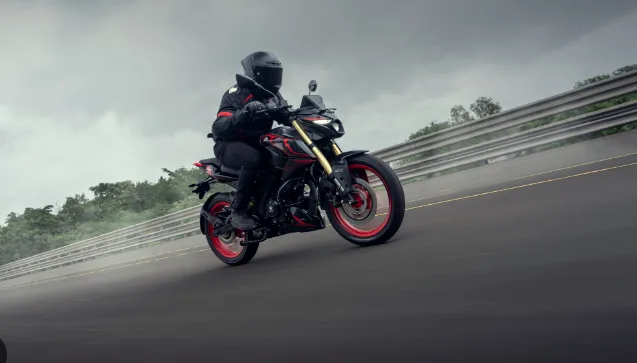
Bajaj Auto has launched the new Bajaj Pulsar N160 SS in India. The company has positioned it as the top variant in the N160 lineup. The motorcycle gets major updates over the standard model.
Bajaj has added a new 4-valve engine, advanced electronics and premium features. The Pulsar N160 SS also gets a TFT display and traction control. These updates make it one of the most feature-rich motorcycles in the 160cc segment.
The new Pulsar N160 SS targets riders who want sporty performance, modern technology and everyday practicality.
What’s New in Bajaj Pulsar N160 SS?
The Pulsar N160 SS receives several upgrades over the regular N160. Bajaj has introduced a new 164.5cc, single-cylinder, 4-valve engine. The motorcycle now gets ride-by-wire technology. This system improves throttle response and allows Bajaj to add multiple riding modes.
The N160 SS gets Road, Rain, Sport and Off-road riding modes. Bajaj has also added traction control for better stability. The biggest highlight is the new 5-inch TFT display. It supports smartphone connectivity and Google Maps navigation.
Design
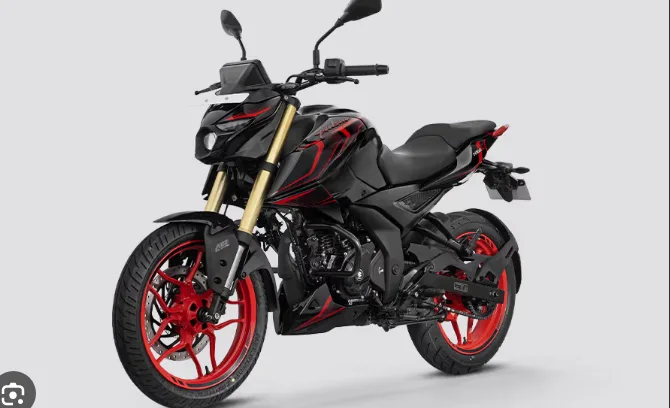
The Pulsar N160 SS keeps the aggressive design of the Pulsar N-series. It gets a sharp LED projector headlamp with LED DRLs. The motorcycle also features a muscular fuel tank and sporty tank extensions.
Bajaj offers a split-seat setup and a sharp tail section. The updated graphics give the bike a more premium appearance. The upright riding position makes the motorcycle comfortable for daily rides. It also works well for longer highway journeys.
Engine and Performance
The Bajaj Pulsar N160 SS uses a 164.5cc, single-cylinder, 4-valve engine. The engine produces 18.5 PS of power and 14.4 Nm of torque.
Bajaj connects the engine with a 5-speed gearbox. The new engine offers better performance and smoother power delivery. The ride-by-wire system improves throttle control. The four riding modes allow riders to adjust the motorcycle according to road conditions.
Features and Technology
Bajaj has loaded the Pulsar N160 SS with modern features. The motorcycle gets a 5-inch TFT display. The display shows riding information and supports navigation.
It also gets Bluetooth connectivity and turn-by-turn navigation. The motorcycle offers traction control. This feature helps riders maintain control during acceleration on slippery roads. The N160 SS also gets LED lighting and multiple riding modes.
Safety Features
Bajaj focuses on rider safety with the Pulsar N160 SS. The motorcycle gets dual-channel ABS. It improves braking control during emergency situations.
The bike also gets traction control. This system reduces wheel slip and improves stability. The LED headlamp provides better visibility during night rides.
Also Read: Maruti Grand Vitara Crosses 4 Lakh Sales Mark in India
Brakes and Suspension
The Pulsar N160 SS uses telescopic front forks and a rear monoshock suspension. Bajaj provides disc brakes on both wheels.
The motorcycle gets dual-channel ABS for improved braking performance. The suspension setup balances comfort and handling. It helps the bike perform well on city roads and highways.
Bajaj Pulsar N160 SS Price in India
Bajaj Auto has launched the Pulsar N160 SS at Rs 1.43 lakh (ex-showroom). The SS variant sits above the N160 S. It becomes the most premium version of the Pulsar N160 range.
Rivals
The Bajaj Pulsar N160 SS competes with several motorcycles in the premium 160cc segment.
Its rivals include:
- TVS Apache RTR 160 4V
- Hero Xtreme 160R 4V
- Honda SP160
- Yamaha FZ-S Fi
- Suzuki Gixxer
These motorcycles compete through sporty styling, performance and modern features.
Why This Story Matters
The Pulsar N160 SS brings premium motorcycle technology to the 160cc segment. Features like a TFT display, traction control, ride modes and ride-by-wire technology were earlier limited to bigger motorcycles.
With the N160 SS, Bajaj offers advanced features at an affordable price. The new motorcycle strengthens the Pulsar lineup and increases competition in the premium commuter segment.
Also Read: Bentley Teases Torcal EV Interior Ahead of Global Debut on September 23