No E0, E10 or E20 Petrol Choice at Pumps: Government Explains Why
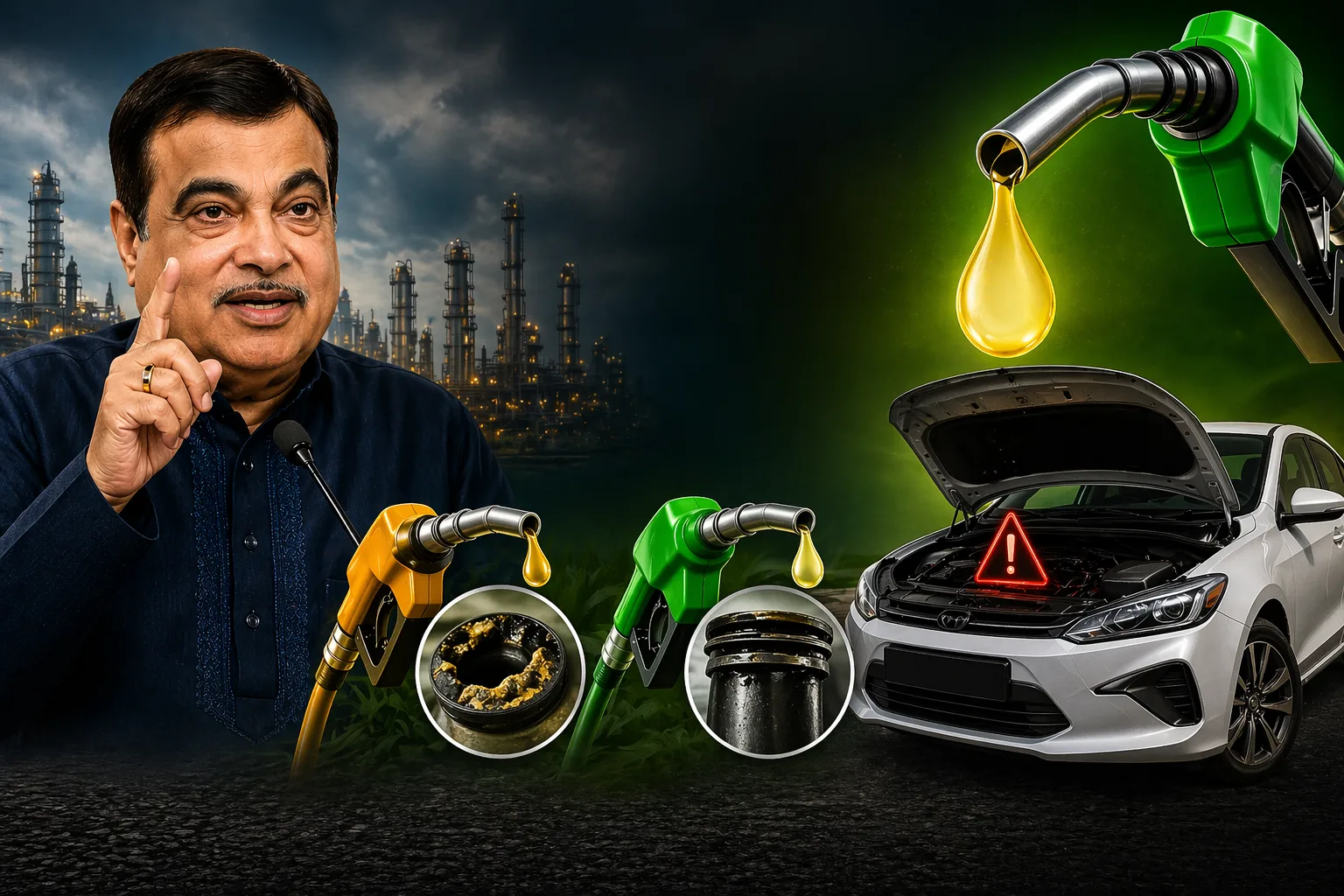
The central government has rejected the suggestion of making E0 (Pure Petrol), E10, and E20 petrol available as separate options at petrol pumps across the country.
Ministry of Petroleum and Natural Gas has made it clear that E20 petrol will remain India’s main petrol standard. Providing three different petrol grades together would not only be expensive but would also require separate supply chains and infrastructure, which would be difficult to implement across the country.
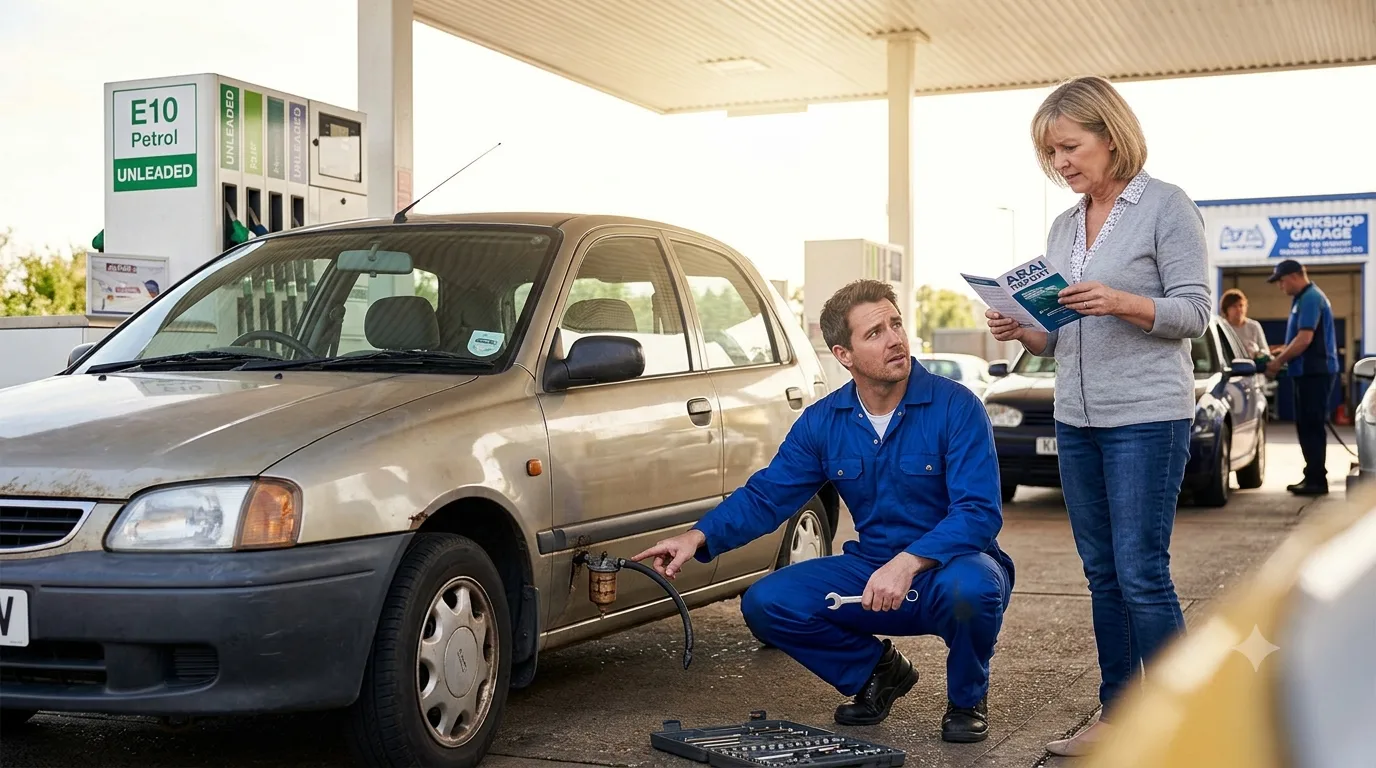
For the past few months, many questions and concerns have been raised among vehicle owners regarding E20 petrol. Especially concerns related to lower mileage in older vehicles, engine life, and fuel system compatibility have been discussed. However, the government says that adopting E20 fuel will reduce India’s dependence on crude oil imports, promote domestic ethanol production, and help in reducing pollution.
The biggest question now is why the government has refused to bring back E0 and E10 petrol as options. Is it really not possible to provide three types of fuel at petrol pumps across the country? Let’s understand the complete reason behind the government’s decision and how it will impact vehicle owners.
Distribution Challenges
Ministry has said that making three different fuel options like E0, E10, and E20 available across the country will create challenges. It would require separate storage tanks, supply networks, and logistics arrangements, which would make the fuel distribution system more complex.
According to the ministry, maintaining the supply of three different petrol grades on such a large scale across the country would not be practical and economically easy.
Government is Promoting Ethanol
The Petroleum Ministry said that large-scale investments have been made in distilleries, storage facilities, and logistics infrastructure to support India’s ethanol blending programme.
The ministry also said that if E10 is brought back as the standard petrol blend, it could result in underutilization of ethanol production capacity and may impact the investments made by farmers, cooperatives, companies, and financial institutions.
India achieved an average ethanol blending rate of 20 percent between November 2025 and June 2026, compared to 19.2 percent during the previous ethanol supply year.
How it will impact vehicle owners?
Ministry said that concerns of older vehicle owners were considered before introducing E20 petrol. Automakers, component suppliers, testing agencies, and research institutions were consulted to check material compatibility, engine calibration, fuel systems, durability, emissions, and fuel economy.
The ministry also provided field data from Maruti Suzuki and Hero MotoCorp, claiming no major E20-related issues like corrosion or abnormal wear were reported. It also acknowledged that some vehicles may see a 3-5% reduction in fuel economy, which will impact the vehicle owners but highlighted benefits like lower crude oil imports, higher octane rating, and reduced emissions.
Is it really not possible to provide three types of fuel? (The Times of GenZ Opinion)
In a country like India, making E0, E10, and E20 petrol available at every petrol pump may be difficult, but it cannot be considered completely impossible. If the government and oil companies invest in infrastructure with a long-term plan, customers can get the option to choose their fuel.
However, one major problem with this could be that many vehicle owners may prefer E10 or E0 petrol instead of E20 because they are concerned about the long-term life of their vehicles. Such owners may even be ready to pay extra to protect their vehicles from possible damage.
The government can provide E0, E10, and E20 options to owners of older vehicles, while vehicles that support E20 can be provided only with E20 petrol, But in a country like India, identifying every vehicle and providing fuel according to its requirement would be practically very difficult. Therefore, implementing a uniform E20 fuel system across the country appears to be an easier option for the government.