
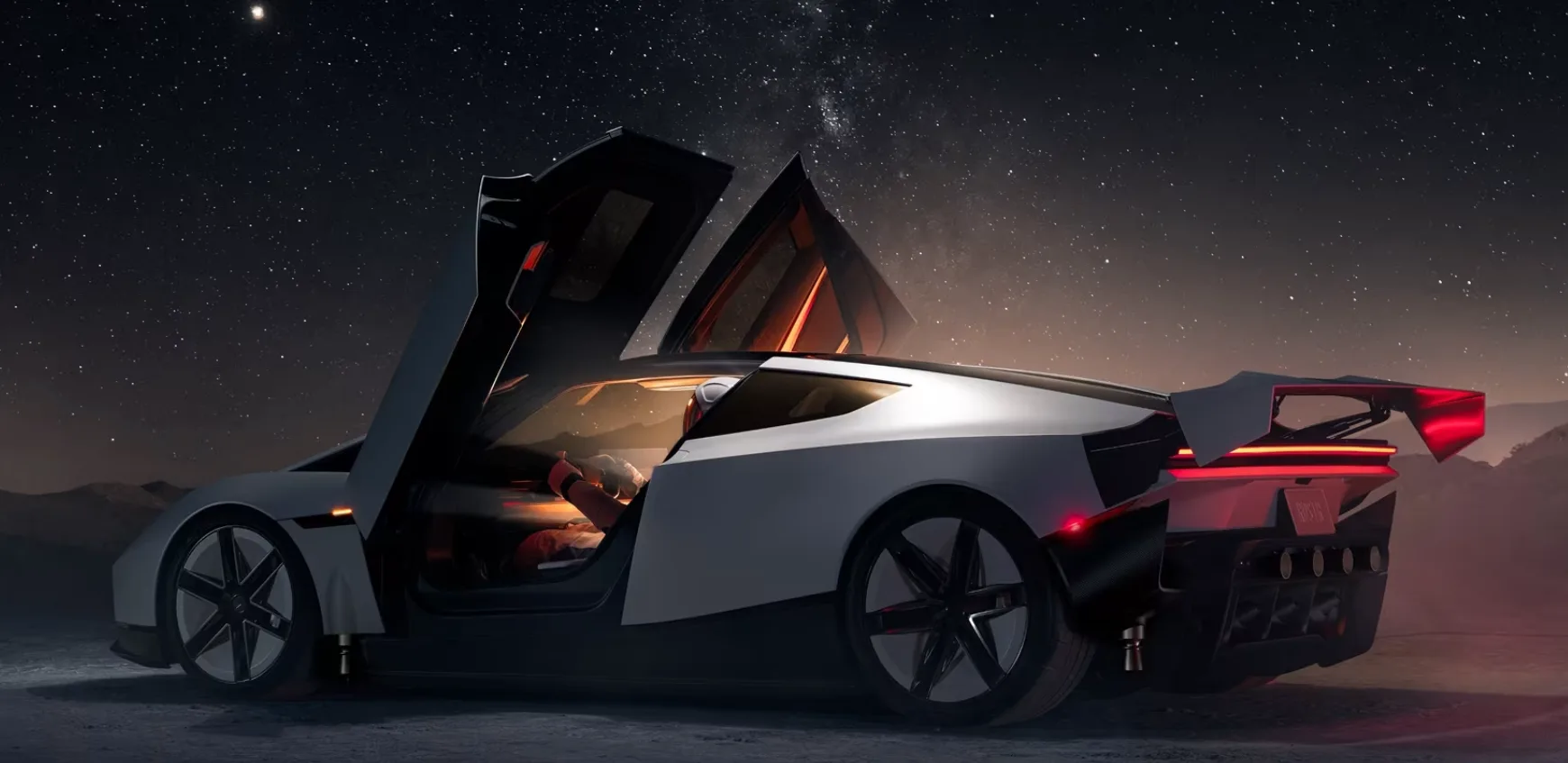
Tesla Roadster 2 Finally Unveiled: Elon Musk Turns His Flying Car Promise Into Reality
For months, Elon Musk’s claims about a flying car sounded more like a futuristic idea than a production vehicle. Musk had previously spoken about the need for flying cars and hinted that Tesla would make a dramatic unveiling unlike anything the automotive industry had seen before.
Many people remained sceptical, especially after the second-generation Tesla Roadster faced repeated delays. However, Tesla has now finally unveiled the new Roadster 2, and the reveal was far more dramatic than a conventional car launch.
At a SpaceX facility in Texas, Tesla demonstrated the electric sports car using thrusters to lift off, flip in the air and land back on the ground.
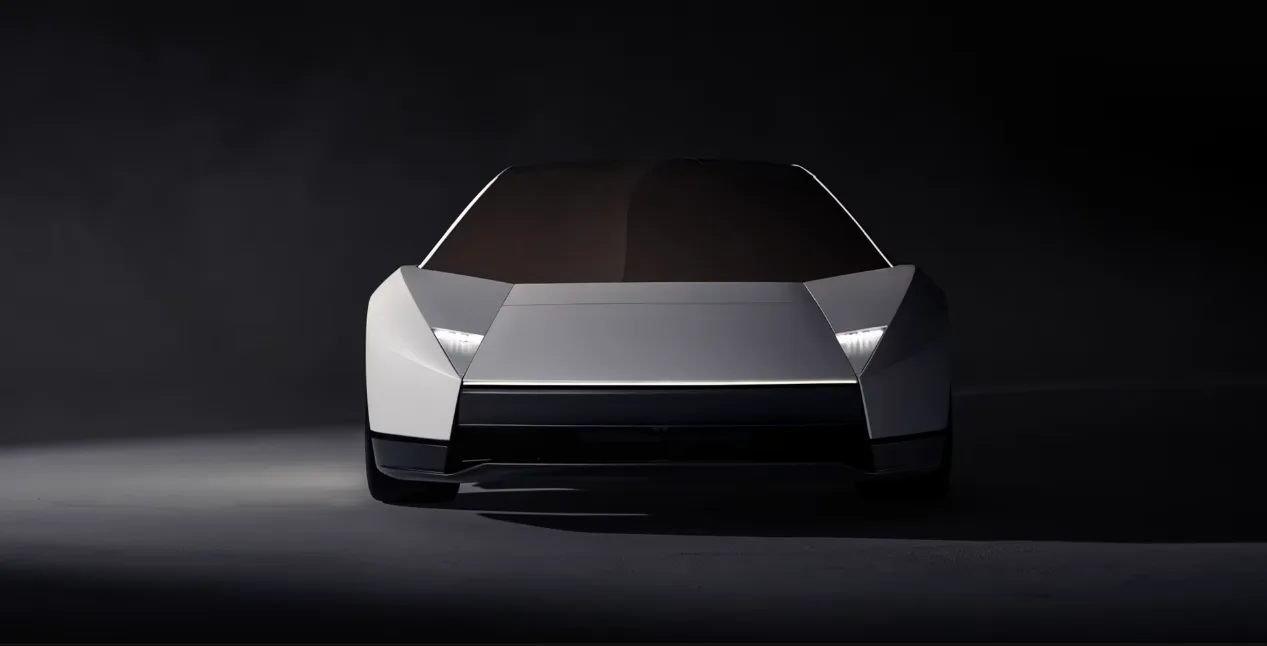
Elon Musk Finally Delivers on the Flying Car Promise
The new Tesla Roadster 2 represents a major change from the car Tesla originally showcased in 2017. Instead of being just an extremely fast electric sports car, the latest version combines automotive technology with systems developed alongside SpaceX engineers.
During the unveiling, Tesla demonstrated the Roadster driving up a curved ramp and even travelling upside down with the help of an underbody suction system. The car then used its thrusters to lift itself from the ramp, perform a mid-air manoeuvre and return to the ground. Tesla also demonstrated the car jumping over several other Tesla models.
Musk later described the Roadster as a flying car and said it has altitude controls, thrusters and rear main thrusters that allow it to perform aerial manoeuvres. The demonstration vehicle operated remotely during the event, highlighting that the technology remains at an experimental stage.
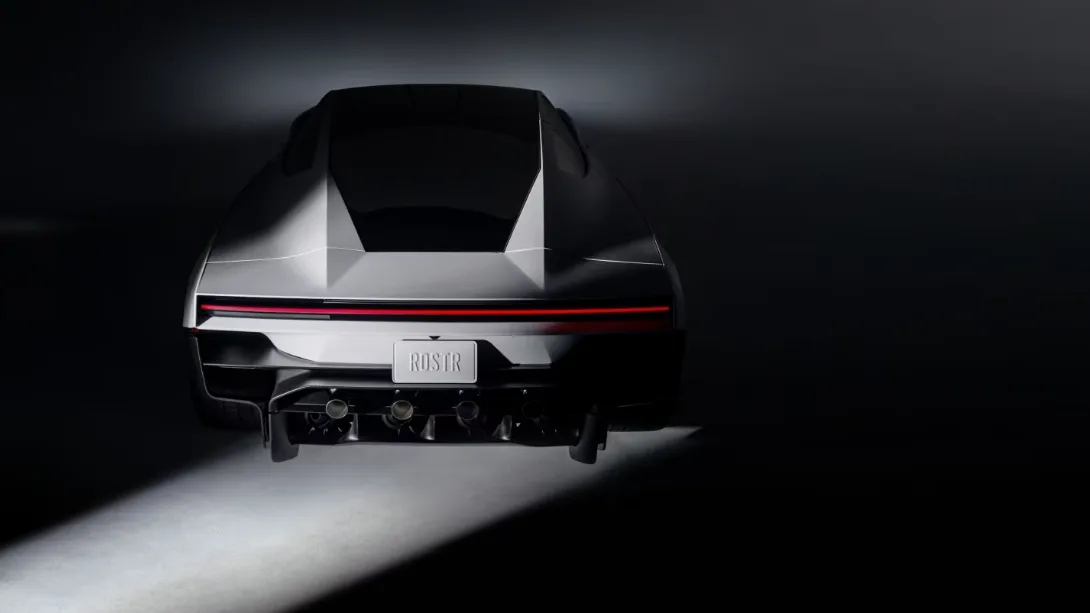
SpaceX Technology Makes the Roadster Different
The Roadster’s most unusual feature is its cold-gas thruster system. Tesla says the system uses compressed air rather than conventional rocket fuel. The car can use multiple thrusters to generate additional thrust and control its movement.
According to Tesla, the Roadster uses 10 thrusters connected to a 600-litre compressed-air system. The vehicle also gets a multi-mode suction system that pulls the car towards the road, helping it generate additional grip during high-speed driving and cornering.
Tesla has announced three versions of the new Roadster. The Performance version is designed for road use, while the Thrust version adds the cold-gas thruster system for extreme performance. The range-topping Rocket version gets a full flight system and is currently available only by invitation. Tesla also says the Rocket version is not approved for use on public roads.
Tesla Roadster 2 Claims Sub-One-Second Acceleration
The flying technology is not the only headline feature. Tesla claims the Roadster can accelerate from 0 to 60mph in less than one second in its high-performance configuration. The company also claims a top speed of more than 230mph.
Tesla says all three versions will offer a claimed range of around 300 miles. The company has not yet provided complete production specifications or confirmed how long the flying system can keep the car airborne.
Production Starts in 2028
Despite the dramatic unveiling, buyers will have to wait. Tesla says production of the new Roadster will begin in 2028. The model has already faced several delays since its original 2017 unveiling, when Tesla had initially targeted production much earlier.
Tesla has started taking reservations. The Performance version requires a $50,000 reservation payment, while the Thrust version requires $250,000. The Rocket version remains invitation-only. Tesla has not announced the final production price of the Roadster.
The latest unveiling therefore marks an important moment for Tesla. Elon Musk’s idea of combining an electric sports car with aerospace technology has moved from a long-running promise to a demonstrated prototype. However, regulatory approval, production readiness and the practical use of a flying car on public roads remain major questions.
Also Read:


