Tesla Robotaxi Has a ‘Cat Problem’: Elon Musk Explains Why
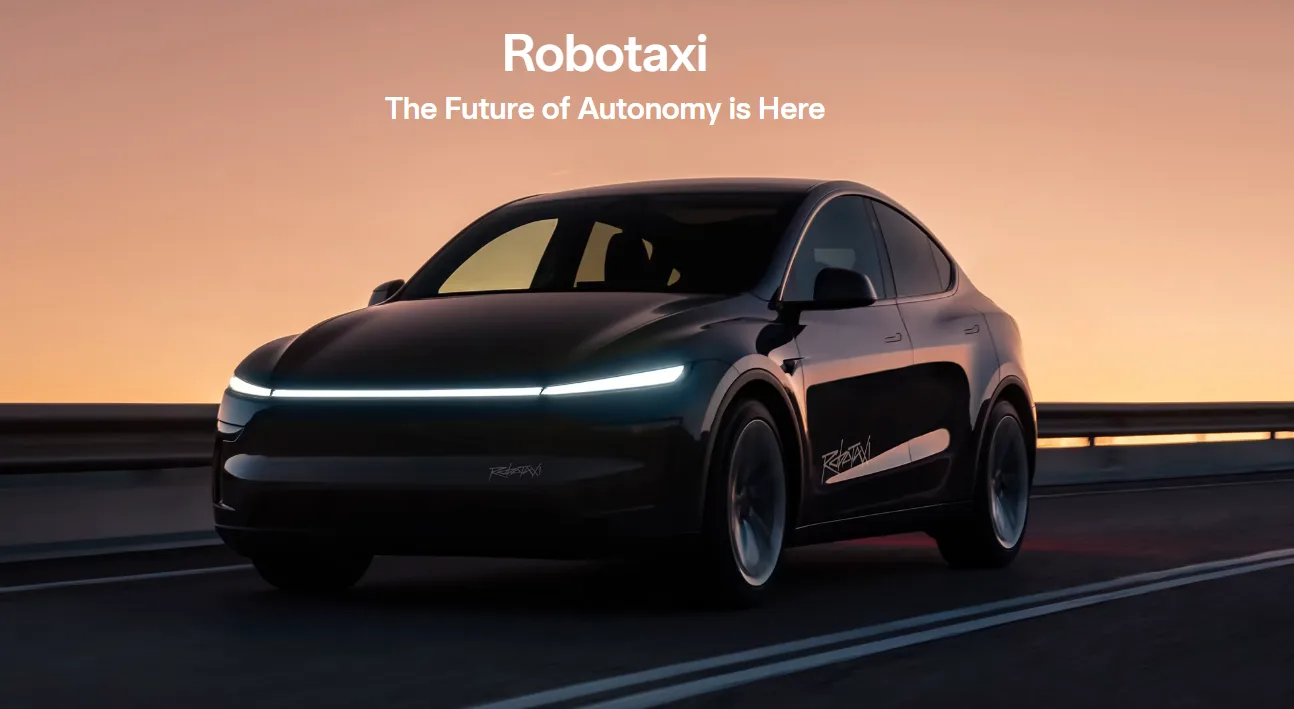
Tesla CEO Elon Musk has revealed an unusual challenge facing the company’s Robotaxi service. The electric carmaker is working to improve how its autonomous vehicles detect small animals on dark roads, especially when they have little contrast against the road surface.
Musk said the company is trying to make sure its robotaxis do not hit pets that are difficult to see at night. His comments came as Tesla extended the operating hours of its Austin Robotaxi service by one hour.
The service now operates until 11 pm instead of 10 pm. However, the latest change still leaves its operating window shorter than it was when the service launched in 2025.
Why Does Tesla Robotaxi Have a ‘Cat Problem’?
Musk said the main challenge is detecting pets when visibility is poor at night. He specifically referred to the difficulty of spotting grey kittens on dark road surfaces. Small animals can move quickly and may have very little visual contrast against the road, making them difficult for camera-based systems to identify in time.
Tesla relies heavily on cameras and artificial intelligence to understand its surroundings. Unlike some competitors, the company’s autonomous driving strategy does not use lidar.
Tesla has also moved away from radar and ultrasonic sensors in its production vehicles.
Tesla Robotaxi Hours Extended in Austin
Tesla has extended the operating hours of its Robotaxi service in Austin, Texas. The service previously stopped accepting rides at 10 pm but now operates until 11 pm. Musk linked the decision to ongoing work on nighttime safety and the ability to detect animals in low-light conditions.
Interestingly, Tesla’s Robotaxi service initially operated for longer hours when it launched in Austin in June 2025. At launch, the service was available from 6 am until midnight. The current 11 pm cutoff therefore remains one hour earlier than the original operating schedule.
How Tesla Plans to Improve Nighttime Detection
Musk has suggested that improvements to artificial intelligence and camera processing could help Tesla’s vehicles identify objects in darker conditions. He said visual-spectrum cameras can perform well in darkness when AI processes the available light information effectively.
The challenge is particularly difficult when an object and the road have similar colours and brightness levels. Tesla’s vehicle documentation also warns that limited lighting and poorly illuminated roads can affect the ability of cameras to provide accurate visual information.
Tesla Robotaxi vs Waymo: Cameras vs Lidar
Tesla’s approach differs from Waymo’s autonomous driving system. Waymo uses a combination of cameras, lidar and radar to understand its surroundings. Lidar actively measures the environment using laser pulses, which means it does not depend on visible light in the same way as a conventional camera. Tesla, meanwhile, has continued to pursue a vision-based approach under Musk’s leadership.
The difference has become part of the wider debate about how autonomous vehicles should detect road users, animals and other obstacles in difficult conditions. However, no autonomous driving system is completely free from incidents involving animals or other unexpected objects.
Tesla Faces Wider Scrutiny Over Autonomous Driving
The latest comments come as Tesla’s autonomous driving technology faces regulatory scrutiny in the US. The National Highway Traffic Safety Administration is investigating Tesla’s Full Self-Driving system in relation to its performance in conditions with reduced visibility.
The investigation involves millions of Tesla vehicles and focuses on situations such as glare, fog and other conditions that can affect the system’s ability to detect hazards.
Tesla’s Robotaxi expansion therefore comes as the company continues to improve its autonomous driving technology and address challenges linked to nighttime operation.
What This Means for Tesla Robotaxi?
Tesla’s latest Robotaxi update shows that expanding autonomous driving beyond daylight hours involves more than simply increasing operating times. The vehicles need to identify pedestrians, animals and other hazards reliably in different lighting conditions.
Musk’s comments about grey kittens highlight one specific example of this challenge. Tesla is now working on improving its AI-based camera processing while gradually expanding Robotaxi operations.
The company will need to demonstrate that its autonomous system can handle these difficult situations consistently as it increases service hours and expands into more locations.
Also Read: Tesla India Crosses 1,000 Sales Milestone in 13 Months: Sales Report