
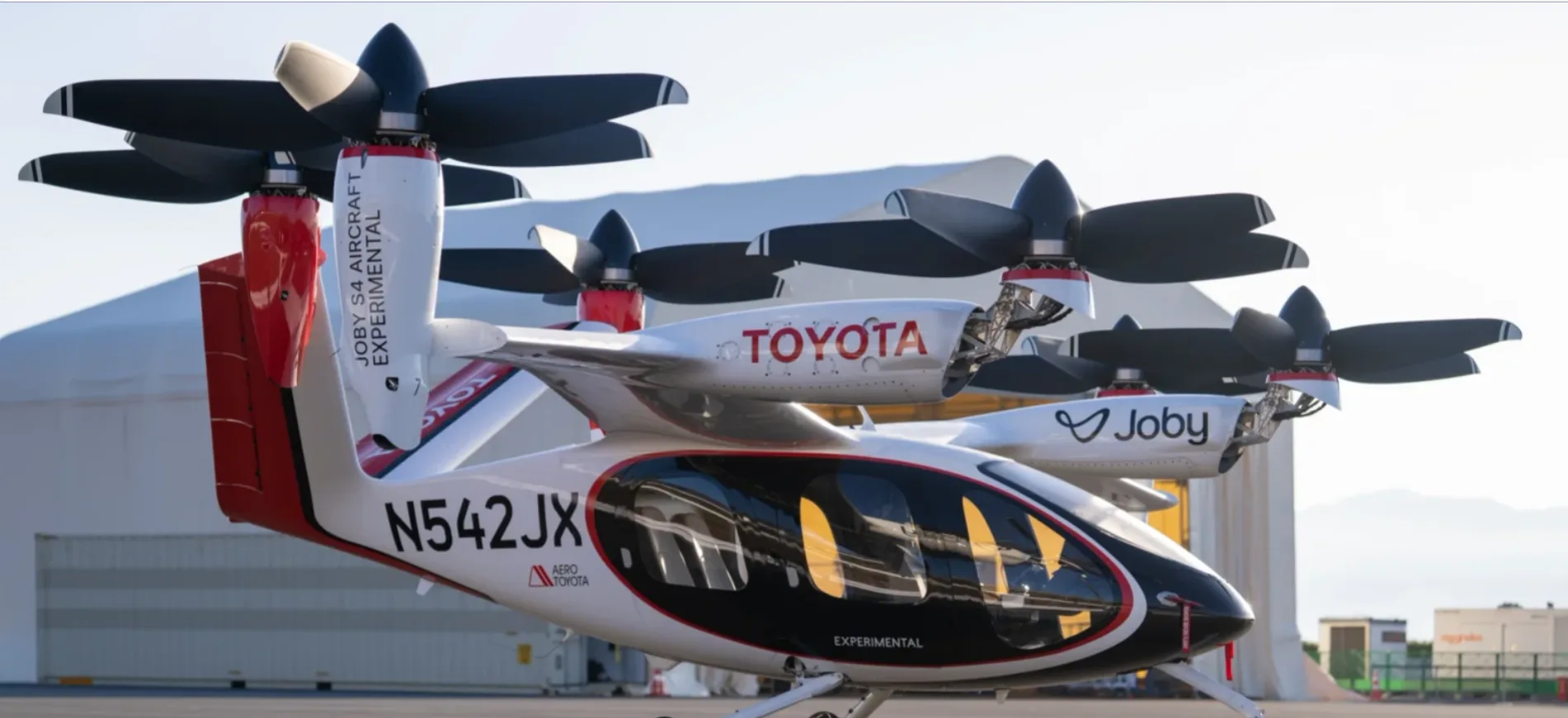
Joby and Toyota Form Joint Venture for Air Taxi Production
The dream of bypassing gridlocked city streets via quiet, zero-emission Air Taxi just moved a massive step closer to reality.
In a milestone development for global transit, Joby Aviation and Toyota Motor Corporation have officially established a new manufacturing joint venture: the Joby Toyota Aero Manufacturing Preparation Company.
Announced on June 30, 2026, this strategic manufacturing alliance marks a critical pivot from experimental testing to commercialization.
By merging Joby’s decade-long development of electric vertical take-off and landing (eVTOL) technology with Toyota’s legendary automotive assembly efficiency, the venture establishes the production foundation required to mass-produce air taxis for the global market.
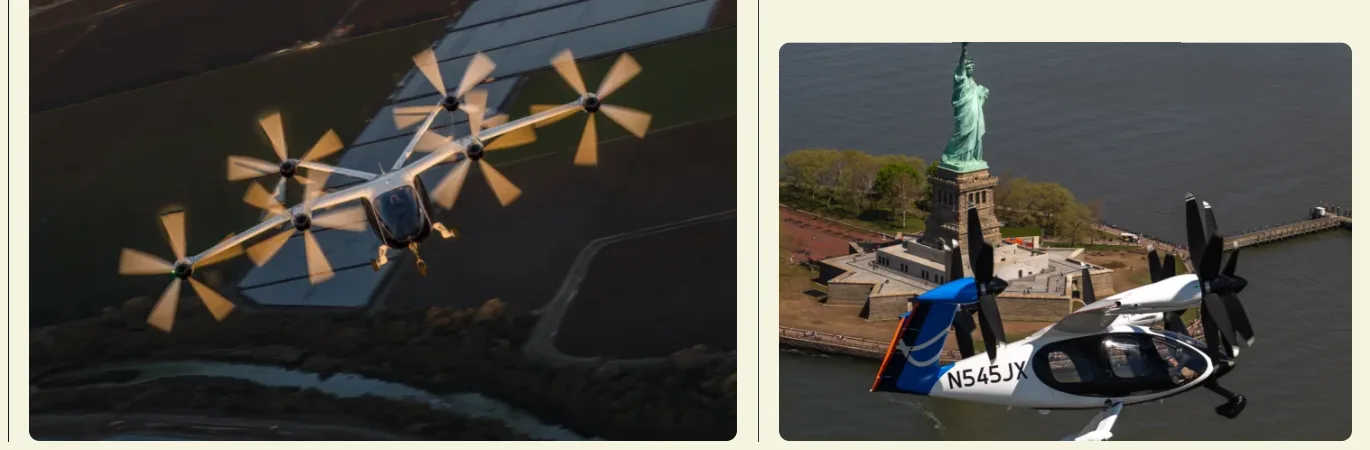
The Blueprint of the Manufacturing Alliance
The joint venture establishes a highly structured framework specifically designed to prepare for the commercial scale-up of Joby’s flagship all-electric aircraft.
Under the official corporate governance guidelines filed with the U.S. Securities and Exchange Commission (SEC), the alliance features a distinct shared equity system where Toyota Motor Corporation holds a controlling 51% equity stake ($1.02 million initial contribution) and Joby Aviation holds the remaining 49% ownership stake ($980,000 initial contribution).
The joint venture’s board of directors will consist of five members total, with three designated by Toyota and two by Joby.
Under this corporate framework, Joby intends to grant the joint venture exclusive rights to manufacture its highly anticipated Joby Aviation S4 series aircraft, subject to specific regulatory exceptions.
The partnership is fueled by deep intellectual property sharing. Joby will provide royalty-free access to its advanced proprietary aircraft designs, while Toyota will integrate its elite manufacturing methods including certain royalty-bearing production software and industrial technologies to optimize the assembly process.
Strategic Roles: Toyota’s Scale Meets Joby’s Innovation
Developing a revolutionary aircraft is one challenge; building thousands of them to aerospace-grade standards at a sustainable cost is entirely another. This reality defines the complementary roles of the two companies:
Toyota’s Role: The Precision System
Toyota operates as the operational anchor of the assembly line. Rather than treating this as a passive financial asset, Toyota is introducing the core principles of the world-renowned Toyota Production System (TPS) to the aviation sector.
Toyota’s engineers will oversee manufacturing layout design, supply chain architecture, and localized quality control. Their primary focus centers on maximizing factory productivity, driving down component costs, and ensuring that complex sub-assemblies can scale rapidly without compromising safety margins.
Joby’s Role: The Aviation Innovator
Joby continues to serve as the technological visionary and regulatory lead. The California-based company retains complete responsibility for aircraft design, flight telemetry testing, and navigating the complex Federal Aviation Administration (FAA) commercial certification paths.
Joby will manage the integration of the vehicle’s high-performance electric powertrain, low-noise multi-rotor propulsion systems, and digital air-mobility operating software.
Financial Background and the Road to Certification
This joint venture is the natural evolution of an exceptionally deep, multi-year relationship. Toyota has been working closely alongside Joby for nearly a decade, functioning as a primary institutional backer.
The relationship reached a major turning point in late 2024 when Toyota completed a massive $500 million investment in Joby Aviation, bringing its total beneficial ownership stake to approximately 13.1% of Joby’s outstanding common stock.
The newly formed manufacturing company will initially dedicate its resources toward supporting Joby’s upcoming Type Inspection Authorization (TIA) testing phase with the FAA. By utilizing FAA-conforming production prototypes built within this synchronized ecosystem, the partners aim to streamline the airworthiness validation process.
This collaborative approach ensures that the factory lines are optimized and ready to accelerate output the moment official commercial approval is secured.
Also Read: Polestar Owners Left Worried After US Sales Ban: Who Will Service Their EVs Now?
Urban Air Mobility 2026: The Competitive Landscape
The establishment of this joint venture lands in the middle of an intense, high-stakes global race to define the future of urban air mobility. The eVTOL aircraft manufacturing sector has rapidly transitioned from speculative venture-capital concepts into a highly competitive segment populated by well-funded aerospace developers.
Joby faces primary competition from prominent domestic and international players:
Archer Aviation: Backed aggressively by Stellantis and United Airlines, Archer is executing a parallel path by leveraging legacy automotive assembly footprints to manufacture its Midnight aircraft.
Beta Technologies: Focusing heavily on practical cargo logistics, medical transit use cases, and localized multi-modal charging grids.
Lilium & EHang: Pursuing distinct alternative designs, including regional vectored-thrust jets and autonomous passenger transport configurations across Europe and Asia.
By leveraging Toyota’s global manufacturing footprint, Joby gains a highly significant structural advantage. While rivals often struggle to transition from building handfuls of hand-made prototypes to launching continuous, high-volume assembly operations, Joby can rely on an established automotive giant to successfully scale its production output.
Also Read: TVS Motor Boosts R&D Spend to Rs 1,254 Crore