
Volkswagen Pauses EV Investment in India: Here’s Why
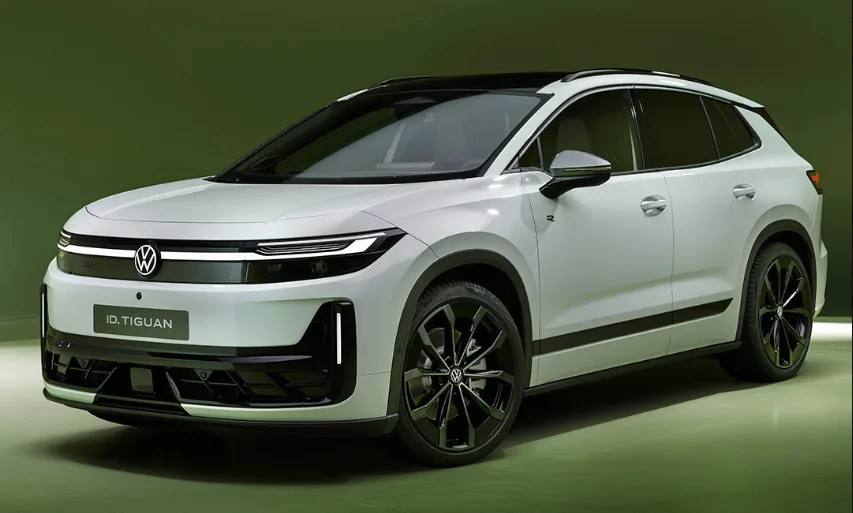
Volkswagen has paused further investment in its electric vehicle programme for India as it waits for more clarity on a potential partnership with JSW Group. The German carmaker has already completed preliminary work for an India EV programme but has not committed additional funds while discussions continue.
Volkswagen wants a clearer business plan before moving ahead with the next stage of development. The pause comes at a time when India’s electric car market is growing rapidly and competition is increasing.
Tata Motors, Mahindra, MG, BYD, VinFast and Tesla are already competing in the segment, while Volkswagen and Skoda currently have no locally sold battery-electric passenger car in India.
Why Has Volkswagen Paused EV Investment in India?
Volkswagen’s decision mainly relates to cost, scale and the proposed partnership with JSW Group. The company has spent nearly two years looking for an Indian partner that can help share the cost and investment risk of developing EVs for the local market. Volkswagen had also considered reducing the development cost of its India EV programme by around one-third while searching for a partner.
The proposed JSW partnership could give Volkswagen access to additional manufacturing capacity, local supply chains and a stronger understanding of the Indian market. Volkswagen and JSW are exploring a wider partnership covering internal-combustion engines, hybrids, plug-in hybrids and battery-electric vehicles. The companies have also discussed developing and manufacturing vehicles in India for domestic sales and exports.
Volkswagen has already completed preliminary design work using a lower-cost EV architecture originally developed for China. However, the company needs higher localisation and local component sourcing to make such an EV competitive in India. The global automaker is also cutting costs and reducing investment as it deals with weaker European demand and strong competition from Chinese manufacturers. These factors have made Volkswagen more cautious about committing additional capital before finalising its India strategy.
Also Read: 2026 Bajaj Pulsar NS200 Launched at Rs. 1.60 Lakh: What’s New?
Our Opinion: Why This Story Matters?
This pause matters because Volkswagen risks entering India’s EV market later than its major competitors. In our view, the JSW partnership could become critical for reducing costs, increasing localisation and making Volkswagen EVs more competitive.
India is moving quickly toward electrification, and delaying investment could make it harder for Volkswagen to build market share when affordable EV choices continue to expand.
Also Read: Simple Wave Electric Scooter Gets Rs. 10,000 Discount in India


