European EV Sales Hit Record in 2026: Affordable Cars Drive Growth
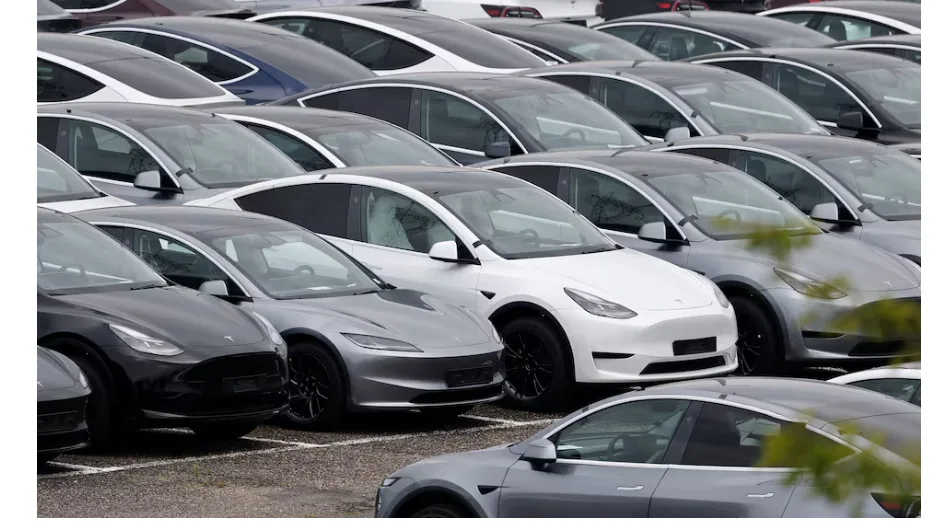
Europe’s electric vehicle market is witnessing a historic surge in 2026. Drivers across the continent are buying electric cars at a pace never seen before. A fresh wave of budget-friendly electric vehicles is powering this massive expansion.
At the same time, strict European Union emissions targets are pushing car manufacturers to expand their green vehicle lineups. With a broader selection of models reaching showrooms, buyers now have better options than ever. This shift is turning 2026 into a decisive landmark year for the European automotive industry.
European EV Sales Reach Record Levels
Official data highlights the rapid momentum in European electric mobility. Between January and August 2026, buyers registered 1.64 million battery-electric vehicles across the European Union. This figure marks an impressive 45% year-on-year growth compared to the same period in 2025.
According to a study by the advocacy group Transport & Environment (T&E), pure electric cars captured a 22% share of the total EU car market during these eight months. One year earlier, that market share stood at 16%. Overall EV model choice grew by 50% within a single year. These numbers demonstrate that electric cars are no longer a niche segment, but a central component of Europe’s main automotive market.
Affordable EVs Become a Major Growth Driver
The expansion of low-cost electric cars plays a pivotal role in this market transformation. For years, high purchase prices kept many average buyers away from battery-powered mobility. That situation is now changing rapidly as carmakers introduce smaller, lower-priced models.
Industry analysis indicates that electric cars priced under €25,000 (roughly Rs. 22.5 lakh) will see strong demand. Experts expect these budget EVs to achieve seven times the sales volume in 2026 compared to 2024. Car manufacturers launched almost 40 new electric models in the first half of 2026 alone. Companies plan to release around 60 additional electric models before the year ends, vastly improving choices for budget-conscious car buyers.
Also Read: Do You Know About the Honda City Hatchback?
Why Automakers Are Launching More EVs?
Automakers are not expanding their electric lineups by chance. Tightening European Union fleet emissions standards mandate significant reductions in carbon output. To comply with these rules and avoid heavy financial penalties, vehicle manufacturers must sell higher volumes of zero-emission cars.
Consequently, brands are rolling out practical electric vehicles aimed at mass-market segments. For instance, Volkswagen is bringing smaller, budget-focused electric models to European showrooms to meet these strict climate mandates. By expanding their low-cost offerings, car manufacturers can satisfy regulatory targets while attracting everyday retail customers who want economical urban transportation.
European and Chinese EV Brands
The European electric vehicle landscape is evolving into a competitive arena between local and international car manufacturers. European carmakers currently dominate the market, offering nearly 60% of all available electric models. Meanwhile, Chinese automakers hold a growing presence, accounting for roughly 21% of total EV options in the region.
Competition accelerated noticeably during the first six months of 2026. European brands added 16 new electric models to their lineups during this period. In comparison, Chinese manufacturers introduced 11 new models over the same timeframe. Both groups continue to widen their product offerings across different price segments.
Rising Fuel Prices Also Support EV Demand
Surging costs for traditional fuels are also encouraging buyers to consider electric options. Following the conflict involving Iran, diesel prices rose sharply across European fuel stations.
Refuelling a standard 50-litre diesel tank now costs around €30 more than before. Higher daily running costs for petrol and diesel vehicles make battery-powered cars far more financially appealing to drivers seeking long-term savings.
Also Read: India Records Over 3.3 Lakh EV Registrations in September 2026
What This Means for Europe’s EV Market?
The year 2026 represents a turning point for European electric mobility. Wider model choices and cheaper prices are making electric cars accessible to millions of everyday motorists. As carmakers launch smaller battery vehicles, buyers gain practical choices for daily commuting.
Ultimately, the long-term momentum of affordable electric cars will depend on consistent EU climate regulations and strong production plans from major automotive manufacturers.