Nissan Tekton vs Hyundai Creta – Which SUV is the Better Option for You?
The mid-size SUV segment in India is witnessing a massive shake-up. Nissan has officially thrown its hat into the ring with the highly anticipated launch of the Nissan Tekton. Marketed as the “Baby Patrol,” the Tekton features bold styling and premium tech designed to directly challenge the segment king, the Hyundai Creta.
Both models target modern family buyers who demand a commanding road presence, advanced cabin comfort, top-tier safety, and effortless performance.
Let us dive into this comprehensive mid-size SUV comparison to find out which one belongs in your garage.
Nissan Tekton vs Hyundai Creta: Price Comparison
Pricing is a crucial factor for anyone hunting for the best SUV under Rs 20 lakh. The newly launched Nissan Tekton comes with a highly aggressive price strategy, with the Nissan Tekton price starting at Rs 10.49 lakh and going up to Rs 18.59 lakh for the top-end variant (ex-showroom).
In comparison, the Hyundai Creta price usually spans from around Rs 11 lakh to Rs 20.15 lakh (ex-showroom). The Tekton offers phenomenal value for money, undercutting the Creta at both entry levels and top-spec variants. If your budget is a strict priority, the Nissan Tekton wins the price battle by offering a more accessible entry point.
Design Comparison
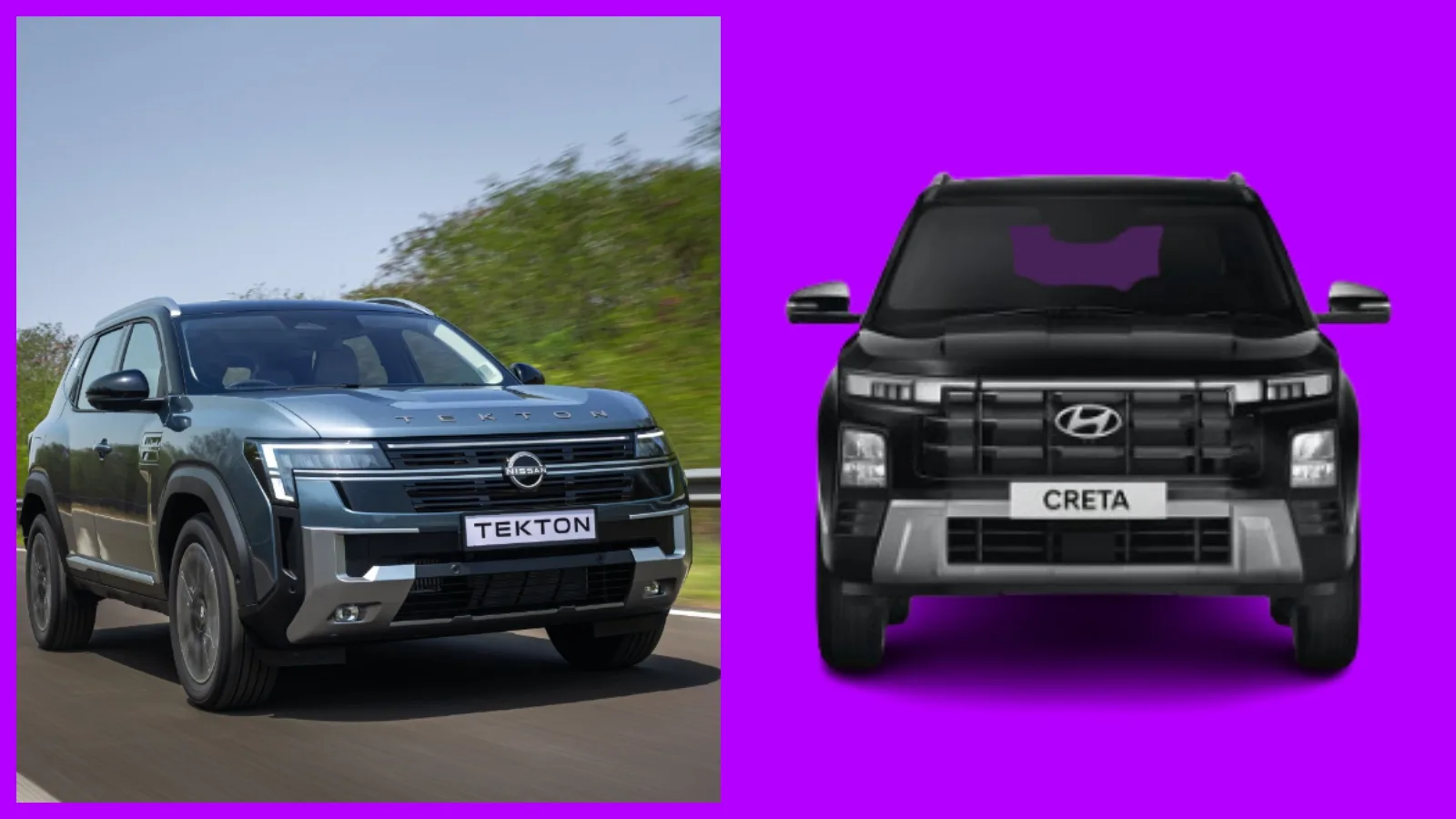
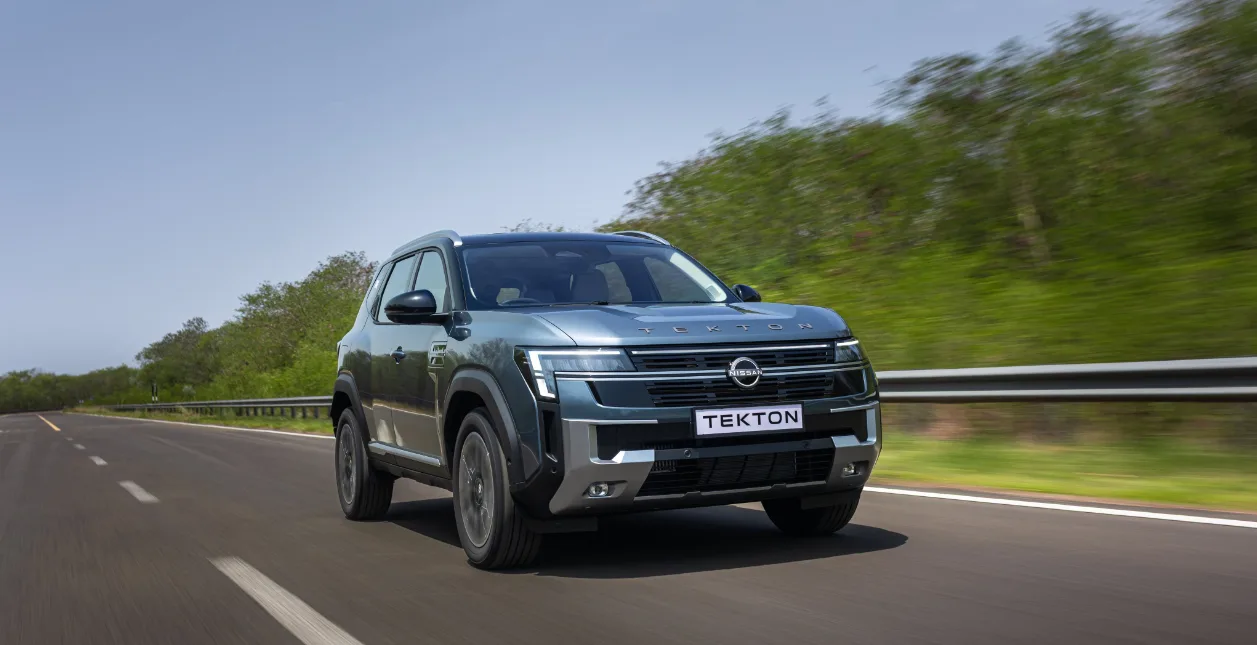
When it comes to visual appeal, both SUVs take entirely different directions. The Nissan Tekton borrows design cues from the legendary global Nissan Patrol. It features a squared-off, boxy silhouette with an upright multi-slat front grille, a red horizontal accent line, and striking full-width C-shaped LED lighting signatures at both the front and rear. With 18-inch alloy wheels, high ground clearance, and chunky body cladding, it delivers a rugged, commanding road presence.
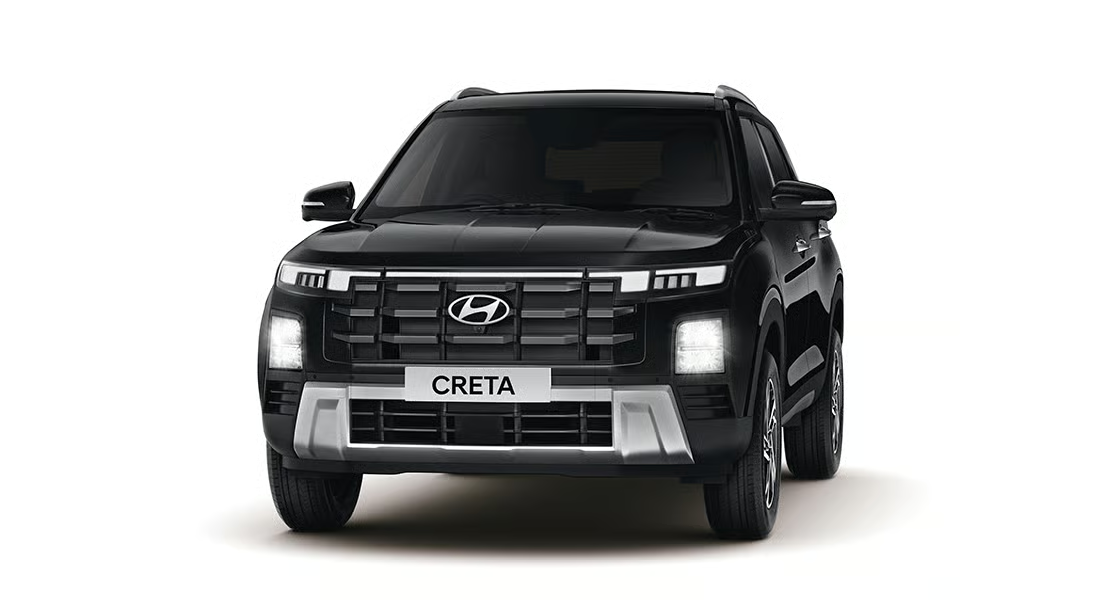
The Hyundai Creta features a more futuristic and urban aesthetic. It sports a parametric black chrome grille, quad-beam LED headlamps, and a sleek horizon LED light bar. While the Creta looks thoroughly modern and premium, the Nissan Tekton looks much more muscular, satisfying buyers who prefer a tough, traditional SUV stance.
Engine and Performance Comparison
Under the hood, the choice comes down to your fuel and transmission preferences. The Nissan Tekton engine lineup is entirely turbocharged. The base options feature a 1.0-litre turbo-petrol engine delivering 100 hp and 166 Nm of torque, mated to a 6-speed manual. For enthusiasts, the higher variants get a potent 1.3-litre turbo petrol engine pushing out 163 hp and 280 Nm of torque, available with either a 6-speed manual or a smooth 7-speed dual-clutch automatic (DCT) gearbox.
The Hyundai Creta engine choices are broader. It gives you a 1.5-litre naturally aspirated petrol, a 1.5-litre diesel engine (which the Tekton lacks), and a high-performance 1.5-litre turbo-petrol unit pushing 160 hp.
For sheer highway overtaking power and turbo-petrol performance, the Nissan Tekton offers a slightly higher torque output, making it the punchier choice for enthusiasts. However, city commuters looking for a frugal diesel runner will still have to lean towards the Creta.
Features Comparison
Inside the cabin, both brands have loaded their vehicles with premium technology. The Nissan Tekton features a modern multi-screen dashboard. This setup includes a 10.2-inch touchscreen infotainment display powered by built-in Google capabilities (like Google Maps and Gemini AI), alongside a sharp digital instrument cluster. It also offers wireless Android Auto & Apple CarPlay, a panoramic sunroof, 6-way powered and ventilated front seats, a wireless charger, and a smart powered tailgate.
The Hyundai Creta features a seamless dual 10.25-inch screen layout. It matching the Tekton by offering ventilated seats, a panoramic sunroof, a wireless charger, and advanced connected car technology. The Creta pulls ahead slightly with extra comfort items like dual-zone climate control and a premium Bose sound system, making it the more feature-rich environment overall.
Safety Comparison
Safety is a massive highlight for both vehicles, but Nissan takes a definitive edge here. The Nissan Tekton boasts a stellar 5-star safety rating from Bharat NCAP for both adult and child occupant protection. Its robust safety net includes 6 airbags as standard, ABS with EBD, Electronic Stability Control (ESC), front and rear parking sensors, a 360-degree camera with blind-spot assist, and a Level 2 ADAS suite featuring adaptive cruise control.
The Hyundai Creta also leaves no stone unturned, offering 6 airbags, ESC, TPMS, a 360-degree camera, and its own Level 2 ADAS suite. However, with an official 5-star Bharat NCAP scorecard already under its belt, the Nissan Tekton gives buyers immediate peace of mind regarding structural integrity.
Space and Practicality
Step inside, and both cabins provide ample space for five passengers. The Hyundai Creta is well-regarded for its exceptional rear-seat comfort, offering great under-thigh support and a plush seating angle perfect for long family road trips.
The Nissan Tekton counters with incredible boot space, offering an enormous 700-litre boot capacity that easily swallows large family luggage. It also features a practical 60:40 split rear seat configuration. While the Creta feels slightly more accommodating for taller rear passengers, the Tekton is the more practical choice if you frequently haul heavy cargo.
Mileage Comparison
Fuel efficiency remains highly competitive between these two segment rivals. The Nissan Tekton mileage is rated at a claimed 19.4 kmpl for the 1.0-litre turbo-petrol engine, while the larger 1.3-litre turbo-petrol DCT returns up to 18.5 kmpl.
The Hyundai Creta petrol variants offer a similar real-world fuel efficiency, hovering around 17 to 18 kmpl. However, if minimizing running costs on long-distance journeys is your primary goal, the Creta’s diesel engine variant retains a distinct efficiency advantage over long highway drives.
Pros and Cons
Nissan Tekton Pros
Bold, rugged “Baby Patrol” exterior styling
Powerful 1.3-litre turbo-petrol engine with 280 Nm torque
Certified 5-star safety rating from Bharat NCAP
Massive 700-litre boot space for ultimate practicality
Highly competitive pricing across all 12 variants
Nissan Tekton Cons
No diesel engine option available
Rear-seat legroom is slightly tight for passengers over 6 feet
Missing dual-zone climate control
Brand service network is smaller than Hyundai’s
No strong-hybrid variant at launch
Hyundai Creta Pros
Extremely comfortable rear seats with great legroom
Frugal diesel engine option available for high-mileage users
Premium feature list including a high-end sound system
Massive, widespread sales and service network across India
Excellent resale value in the used car market
Hyundai Creta Cons
Top-end variants cost significantly more than the Tekton
Futuristic look may not appeal to lovers of traditional, boxy SUVs
Turbo-petrol engine has less torque than the Tekton
Base variants miss out on many desirable tech features
Waiting periods can be quite high in major cities
Verdict: Which SUV Should You Buy?
Deciding which SUV should you buy ultimately depends on your specific lifestyle needs and budget.
Buy the Nissan Tekton if:
You want a fresh and unique vehicle with rugged, old-school SUV styling, a highly powerful turbo-petrol engine, class-leading boot space, and a proven 5-star safety rating, all wrapped up in a package that offers incredible value for money.
Buy the Hyundai Creta if:
You prefer a proven segment leader with multiple engine configurations (including diesel), premium cabin features, maximum rear-seat comfort, a massive service network, and hassle-free long-term resale value.
Both SUVs are exceptional packages, but the Nissan Tekton stands out as a serious disruptor for those wanting a tough, safe, and value-packed vehicle under Rs 20 lakh.